
Discover the topic of vitamin a supplements and what this page covers. Here you’ll find a clear overview of what vitamin a supplements are, the common forms they come in, and practical considerations for use. The focus is on actionable information about selecting, reading labels, and safe usage, rather than presenting health claims about benefits. Safe dosage guidelines for vitamin a supplements emphasize following the amount stated on the product label and not exceeding it. If you are considering multiple products with vitamin a supplements, review total daily intake and ensure it stays within label recommendations. For individualized guidance, consult a qualified professional, and always follow any additional instructions printed on the packaging. Practical use tips for vitamin a supplements include choosing a suitable form—softgels, tablets, or liquids—and understanding how to take them within your daily routine. Read ingredient lists for potential allergens or additives, and note storage requirements such as temperature and exposure to light. Keep products out of reach of children and monitor expiration dates as part of routine use. By focusing on vitamin a supplements, you’ll gain practical steps for selection, labeling, and safe usage. This page is designed to help you approach supplementation in a structured way, with clear guidance and user-friendly tips. Click to learn how vitamin a supplements can fit into your routine today.
Vitamin A Supplements: Benefits, Safe Dosage, and How to Use Them

Vitamin A supplements: forms, benefits, and safe intakeVitamin A is an essential fat-soluble nutrient that supports vision, immune function, skin health, and reproduction. It exists in two main forms: preformed vitamin A (retinol, retinyl palmitate, retinyl acetate) found in animal foods and supplements, and provitamin A carotenoids (like beta-carotene) from plant foods. Understanding the difference is critical because the body absorbs preformed vitamin A directly, increasing the risk of toxicity at high doses, while it converts beta-carotene to retinol as needed, providing a natural safety buffer.RDA and tolerable upper intake level (UL) for vitamin AFor most adults, the recommended dietary allowance (RDA) is 900 mcg RAE daily for men and 700 mcg for women. The tolerable upper intake level (UL) for preformed vitamin A is 3,000 mcg (10,000 IU) per day for adults. Exceeding this on a chronic basis can lead to hypervitaminosis A, causing liver damage, bone fractures, and birth defects in pregnancy. Beta-carotene does not have a UL, but smokers should avoid high-dose beta-carotene supplements due to increased lung cancer risk.Who should take vitamin A supplements and how to chooseMost people can meet vitamin A needs through diet alone, but supplementation may be warranted for those with fat malabsorption conditions, confirmed deficiency, or for vegans who inefficiently convert beta-carotene. When choosing, the safest form for general use is beta-carotene, while retinyl palmitate or acetate may be used under medical supervision for deficiency. Look for third-party tested products with clear labeling of the source and dose, and always discuss high-dose supplementation with a healthcare provider, especially during pregnancy or if you take medications.
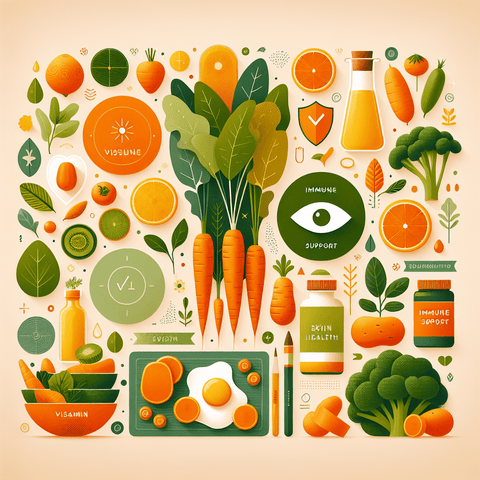
Which Vitamin A Is Best for Your Needs?The best vitamin A form depends on your health status, dietary pattern, and goals. Preformed retinol is the most bioactive and directly usable form, found in animal foods and many supplements. It is efficient for correcting deficiency but requires careful adherence to upper intake limits. Provitamin A carotenoids like beta-carotene, found in vegetables and fruits, are safer because the body converts them only as needed. For most people, a balanced diet provides adequate vitamin A, but supplements can fill gaps when chosen wisely.Comparing Retinol and Beta-Carotene FormsRetinol and beta-carotene differ in absorption, safety, and sources. Retinol has higher bioavailability and faster action but carries a greater risk of toxicity at high doses. Beta-carotene offers a regulated conversion that lowers toxicity risk, making it a preferred option for pregnant women and long-term supplementation. Whole-food sources of both forms are excellent, and supplements may use retinyl esters, emulsified retinol, or natural beta-carotene blends. Aligning the form with your individual requirements is essential.Safety, Upper Limits, and Choosing WiselySafety plays a central role in choosing vitamin A. The tolerable upper intake level for adults is 3,000 mcg RAE (10,000 IU) of preformed retinol per day, while beta-carotene has no established upper limit. Early signs of toxicity include headache, dizziness, and blurred vision. Always follow dosage guidelines and consider third-party tested products. If you are pregnant, taking medication, or have a medical condition, consult a healthcare professional before supplementing.