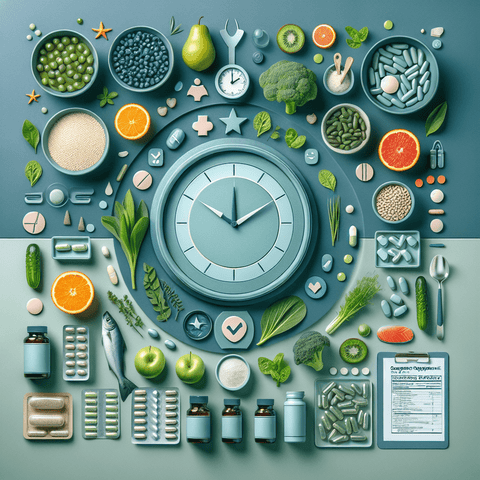
Understanding a "vitamin and mineral boost" starts with a simple but powerful idea: your body relies on a precise network of micronutrients to produce energy, defend against illness, and maintain everyday wellness. This guide explains what a true boost means for your health, the science behind how vitamins and minerals work, and the signs that your intake may be falling short. You’ll also learn how to prioritize food-first strategies, when supplementation is genuinely useful, and how to select a high-quality product if you decide one is right for you.
Vitamin and Mineral Boost: What Does It Really Mean for Your Health?
Defining the Concept
A vitamin and mineral boost is not about taking megadoses or chasing a sudden surge of energy. In nutritional science, it refers to optimizing your intake of essential micronutrients to support your body's fundamental biological processes. This means ensuring your cells have the cofactors they need for energy metabolism, immune signaling, and tissue repair. Rather than a single dramatic effect, a well-supported micronutrient status contributes to consistent, long-term vitality and resilience.
Why Balance Matters More Than a Single "Boost"
Your body does not operate on isolated nutrients; it thrives on synergy. For example, vitamin D enhances calcium absorption, while zinc supports the function of many enzymes that also rely on magnesium. A broad, balanced intake is generally more effective than focusing on one or two "trending" nutrients. This holistic approach helps maintain homeostasis, supports metabolic pathways, and reduces the risk of creating new imbalances through excessive intake of a single substance.
The Biological Role of Vitamins and Minerals in Energy and Immunity
How B-Vitamins and Iron Support Cellular Energy Production
Energy production occurs in the mitochondria, where complex biochemical reactions convert nutrients into usable energy. The B-vitamin family—particularly B1, B2, B3, B5, B6, and B12—acts as essential coenzymes in these pathways. Iron is equally critical, as it forms part of hemoglobin, which transports oxygen to tissues, and cytochromes, which are involved in electron transport. Without adequate levels of these micronutrients, energy production slows, leading to feelings of fatigue and reduced physical performance.
The Role of Zinc, Selenium, and Vitamins C and D in Immune Defense
Immunity is a multi-layered system that depends on specific micronutrients. Zinc is crucial for the development and activity of immune cells. Selenium supports the production of selenoproteins that help regulate oxidative stress. Vitamin C accumulates in immune cells and may protect against oxidative damage. Meanwhile, vitamin D modulates both the innate and adaptive immune responses, and its receptors are found on many immune cells. A deficiency in any of these nutrients can impair the body's ability to mount a robust defense.
The Synergy Between Micronutrients and Antioxidant Function
Antioxidants are your body's defense against free radicals—unstable molecules that can damage cells. Vitamins C and E work together in a redox cycle, where vitamin C can regenerate oxidized vitamin E. Many minerals, including zinc and selenium, are structural components of antioxidant enzymes. This intricate synergy underscores why a diverse intake of micronutrients is more beneficial than high doses of a single antioxidant.
Signs That Your Micronutrient Levels May Be Suboptimal
Common Symptoms Associated with Low Energy, Immunity, and Fatigue
Persistent fatigue, weakness, and brain fog are among the most common reasons people wonder if they need a nutrient boost. For instance, low iron levels can reduce oxygen delivery to muscles, while inadequate B12 can impair nerve function and red blood cell production. Frequent colds, slow-healing wounds, or recurring infections may suggest that your immune system is not fully supported by nutrients like zinc, vitamin D, or vitamin C.
However, relying on symptoms alone is a common pitfall. Many deficiency symptoms overlap with each other and with unrelated health issues, such as poor sleep or stress. Laboratory tests, such as serum ferritin, vitamin D levels, or red blood magnesium, provide objective data that can distinguish between a true deficiency and an unrelated condition. If you suspect a deficiency, ask your healthcare provider about appropriate testing.
Common Causes and Risk Factors for Vitamin and Mineral Insufficiency
A vitamin and mineral boost can help fill nutritional gaps and support everyday wellness by providing essential nutrients that play specific roles in the body. Rather than replacing a balanced diet, supplements act as a concentrated addition for those who need it—such as people with limited dietary variety, busy schedules, or targeted nutrient shortages.
The Impact of Modern Dietary Patterns and Processed Foods
Ultra-processed foods often deliver calories but lack the micronutrient density of whole foods. A diet high in refined grains, added sugars, and unhealthy fats can displace nutrient-rich vegetables, fruits, and legumes. Over time, this pattern can lead to inadequate intakes of potassium, magnesium, vitamin C, and several B-vitamins.
How Age, Medications, and Digestive Health Affect Nutrient Uptake
As we age, the production of stomach acid declines and the skin's ability to synthesize vitamin D decreases, which can affect the absorption of vitamin B12, calcium, and vitamin D. The digestive tract (celiac disease), surgical history, or long-term use of medications like proton pump inhibitors (PPIs) can also alter how well your body absorbs nutrients.
Lifestyle Factors: Stress, Alcohol, and High Physical Demands
Chronic stress increases the body's demand for magnesium, vitamin C, and B-vitamins. Alcohol consumption interferes with the absorption of thiamine, folate, and zinc. Athletes and physically demanding jobs also increase losses of electrolytes and B-vitamins through sweat and higher energy expenditure. These factors raise the baseline requirement for many micronutrients.
Food-First Strategies for a Natural Vitamin and Mineral Boost
Building a Micronutrient-Dense Plate
Focusing on whole, minimally processed foods is the most reliable way to increase your micronutrient intake. Colorful vegetables and fruits provide vitamin C, potassium, and phytochemicals. Legumes, nuts, and seeds are excellent sources of magnesium and zinc. Lean meats, seafood, and poultry supply bioavailable iron, B12, and protein. Dairy or fortified plant milks contribute calcium and vitamin D. Aim for a plate that is colorful and varied across all food groups.
Specific Nutrient Pairings to Improve Absorption
Understanding absorption pairings enhances the benefit of your meals. Consuming vitamin C-rich foods like citrus or bell peppers alongside plant-based iron (non-heme iron) can significantly improve its absorption. Similarly, vitamin D and fat-soluble vitamins (A, D, E, K) are better absorbed when eaten with a source of dietary fat like olive oil or avocado.
Lifestyle Habits That Support Better Nutrient Utilization
Beyond food, lifestyle factors affect how well your body absorbs and uses nutrients. Proper hydration is crucial for the transport of minerals in the blood. Regular physical activity improves circulation, which helps in delivery of nutrients to tissues. Managing stress through mindfulness or deep breathing reduces cortisol levels, which can otherwise deplete magnesium and zinc. Adequate sleep supports the body's nightly repair processes that rely on vitamins and minerals.
The Role of Supplements in Bridging Nutritional Gaps
Understanding Multivitamins and Targeted Complexes
A multivitamin provides a broad safety net of small amounts of many nutrients, suitable for those with general dietary inadequacies. Targeted complexes, like a B-complex or a magnesium formula, are designed to address specific needs, such as energy support or a particular deficiency. The choice depends on your diet, lifestyle, and any known deficiencies.
When Is a "Boost" Supplement Appropriate?
A supplement is typically helpful when a proven, documented deficiency exists, or when dietary intake is consistently insufficient due to restricted diets, absorption issues, or significantly increased needs. For example, vegans may need vitamin B, and people with limited sun exposure often require a vitamin D supplement. However, for most people eating a balanced diet, a "boost" supplement is not a requirement. It is more useful to view supplements as a targeted tool rather than a daily necessity.
Supplementation for General Support Versus Medical Treatment
It is critical to distinguish between using vitamins to support general health and using them to treat a diagnosed deficiency. Treating a deficiency usually requires therapeutic doses, often under medical supervision. General support uses low doses to optimize wellness. A supplement like iron can be life-saving for an anemic person, but at the same time can cause harm to someone with normal ferritin levels. The distinction ensures the right dose is used for the right reason.
Situations Where Dietary Intake Could Fall Short
There are clear scenarios where food alone is unlikely to meet your needs. Athletes in heavy training have a higher requirement for magnesium and B-vitamins. Individuals on a vegan or a low-carb diet need to carefully plan for a potential shortfall. A busy schedule or extensive travel can also make it difficult to eat a varied diet, making a supplement a temporary bridge.
Using Supplements to Address Specific Deficiencies
If blood tests confirm a deficiency—such as low serum ferritin, low vitamin D, or low zinc—then supplementation is the most direct approach. The dose and duration should be guided by your healthcare provider, and your levels should be re-tested after a few months to avoid overcorrection. This targeted approach is far more effective than randomly guessing which nutrients you might be missing.
How to Choose the Right Vitamin and Mineral Supplement
Nutrient Forms and Bioavailability
For example, magnesium citrate or glycinate is generally better absorbed than magnesium oxide. For B-vitamins, the "active" forms—like methylcobalamin (B12) or methylfolate (B9)—are more readily used by the body than synthetic forms, especially for those with certain genetic variations.
Decoding Dosages: Percent Daily Value Versus Clinical Doses
The % Daily Value is based on the RDA and represents a baseline for avoiding deficiency in a typical adult. Clinical doses, which are often found in targeted supplements, may specifically address a specific shortfall, and thus may be higher or lower than 100% DV. Always check the actual amount, not just the percentage DV, and stay within the tolerable upper intake level.
Whole-Food Blends Versus Isolated Nutrients
Whole-food supplements are made by concentrating foods into a powder or capsule, providing nutrients alongside other plant compounds. They are gentle on the stomach but often have lower concentrations of specific nutrients. Isolated nutrients are synthetically produced or extracted, allowing for precise dosing and higher potency. The best choice depends on your goal: general wellness may favor whole-food blends, while correcting a deficiency may be more effective with isolated, high-dose nutrients.
Identifying High-Quality Manufacturing and Third-Party Testing
Quality assurance is non-negotiable. Look for supplements that are manufactured in facilities that follow Good Manufacturing Practices (GMP). A seal from a third-party tester such as NSF International, USP, or Informed Choice indicates that the product has been independently verified for purity and for containing what is on the label. These certifications reduce the risk of contamination, counterfeit ingredients, or inaccurate dosages. Explore our multivitamins guide to understand ingredient quality in more depth.
Who May Benefit Most from Supplementation?
Adults Over 50
Aging affects stomach acid production and absorption of vitamin B12, calcium, and vitamin D. The skin also uses vitamin D from sunlight. Therefore, routine supplementation of these specific nutrients is often beneficial for older adults. A general multivitamin may also help fill gaps in intake that are harder to meet.
Individuals with Digestive Disorders or Absorption Issues
Conditions such as irritable bowel syndrome, celiac disease, Crohn’s disease, or a history of gastric bypass surgery can reduce the absorption of nutrients. These individuals often need higher doses to maintain normal levels, which requires professional input. Fat-soluble vitamins and minerals like iron and zinc frequently become deficient, so seek a tailored approach.
Pregnant Women and Those Planning Pregnancy
Pregnancy significantly increases the demand for folate, iron, calcium, and vitamin D to support the developing baby and prevent maternal deficiency. Folic acid supplementation is widely recommended before conception to prevent neural tube defects. A prenatal vitamin is a standard recommendation for this population, and it is critical to choose a high-quality option with adequate levels of key nutrients.
Athletes and Individuals with High Physical Stress
Regular intense exercise increases the loss of electrolytes and trace minerals through sweat. The increased energy demand from the body impact on nutrient demand. While a balanced diet covers many of these needs, athletes may benefit from targeted supplementation during periods of heavy training. Review our sports supplements guide to understand sport-specific nutrient needs.
Following a Restricted Diet
Eating a restricted diet, such as a vegan or vegetarian diet, requires careful planning to ensure adequate intake of total nutrients. Vitamin B12, iron, calcium, and omega-3 fatty acids are often a concern. In this case, a supplement can play a key role in compensating for the nutrients that are not naturally present in your diet.
Safety, Side Effects, and Interactions of Micronutrient Supplements
Water-Soluble Versus Fat-Soluble Vitamins
Water-soluble vitamins (B-complex and C) are generally not stored in the body and are cleaned out, making toxicity rare—though high doses of B6 or niacin can cause adverse effects. Fat-soluble vitamins (A, D, E, K), however, are stored in the liver and adipose tissue, where they can build up to toxic levels if consumed in very large amounts. This is particularly relevant for vitamin A and vitamin D toxicity, which can cause serious bone and organ damage. Always respect vitamin D safety guidelines.
Potential Interactions Between Supplements and Medications
Vitamins and minerals can interact with prescription drugs, either reducing the drug's effectiveness or increasing side effects. For example, vitamin K interacts with blood thinners like warfarin, requiring careful management. Zinc can interfere with the absorption of antibiotics. Always inform your healthcare provider about all supplements you take to avoid harmful interactions. Do not assume that "natural" means risk-free.
Professional Guidance: When to Seek Medical Advice
If you are considering high-dose supplementation, are taking medications, or have a chronic health, seeking professional guidance is essential. A physician or registered dietitian can order appropriate blood tests and recommend a safe and effective dosage. This is especially important for nutrients that are in your body, like iron and fat-soluble vitamins, where the line between therapeutic and toxic can be narrow.
Nutritional Needs and Bio-individuality
Factors That Influence Your Individual Nutrient Requirements
Individual needs vary based on age, gender, health status, and genetic variations. For example, People with MTHFR gene variations may benefit from methylated folate. Certain health conditions can increase the requirement for specific vitamins and minerals. It is important to recognize that your individual requirements are not exactly the same as the RDA that is set for a group.
Dietary patterns, food allergies, and digestive health also impact what you absorb. This is why personalized nutrition advice is usually more effective than generic recommendations. A healthcare provider can help you interpret your individual risk factors and needs.
Making Your Decision: Food Strategies or Supplementation First?
How to Assess Your Current Dietary Intake
Before buying anything, start by honestly evaluating your diet. Keep a food diary for a few days and analyze it for content. Are you eating at least five servings of fruits and vegetables daily? Do you eat fatty fish or fortified foods for vitamin D? Are legumes and whole grains regular staples? If most of your meals are nutrient-dense, you may not need a supplement.
A Framework for Product Selection
If you decide that supplementation is appropriate, use a structured approach. First, identify your specific reason: general wellness, prevention of deficiency, or addressing a known shortfall. Second, choose a product that prioritizes bioavailability and aligns with your preferences (e.g., vegetarian, gluten-free). Third, select a moderate dose that does not greatly exceed the RDA unless advised by a professional. Always check for third-party testing to confirm purity and label accuracy.
Monitoring Effects and Adjusting Your Approach
After starting a supplement, it is wise to monitor how you feel and periodically re-evaluate your need. Keep track of your energy levels, sleep quality, and recovery. For deficiencies, a follow-up blood test after 2-3 months can help you and your doctor decide whether to continue or adjust the dose. Your needs change with life stages, seasons, and stress levels, so staying flexible ensures you get what you need without overdoing it.
Key Takeaways on Vitamin and Mineral Boost
- A boost is about balance, not megadoses.
- B-vitamins and iron are important for energy metabolism.
- Zinc, selenium, and vitamins C and D support immune function.
- Symptoms alone are not enough to diagnose a deficiency, and a blood test is needed.
- Modern diets, aging, medication use, and gut health influence nutrient needs.
- Food first remains the most natural way to get micronutrients.
- Supplements can help address specific deficiencies under guidance.
- Choose supplements with bioavailable and transparently labeled ingredients.
- Be aware of potential interactions and upper safety limits.
Frequently Asked Questions About Nutrient Boosts
Can I get all my vitamins and minerals from food alone?
For most people, a well-planned, balanced diet is sufficient to meet nutrient needs. This involves eating a wide range of whole foods, including fruits, vegetables, whole food and healthy fats. However, practical challenges like limited sun exposure for vitamin D, a vegan diet for vitamin B, or low-selenium soil can make supplementation necessary for these specific nutrients.
Are there any vitamins that give you energy instantly?
Vitamins support energy metabolism, but they do not create energy, and the effect is cumulative. The only things that provide "instant" energy are calories from food, which are not vitamins. Caffeine and sugar can be immediate effects but are not a substitute for proper nutritional support. A balanced diet is the reliable source of energy the body uses.
Do vitamin and mineral supplements really work?
Supplements can be effective in correcting a documented deficiency, supporting a less-than-ideal diet, or meeting increased needs due to a specific health condition. They are not intended to replace a balanced diet and are not effective for general health improvement on their own. As a tool, they work well when combined with a healthy diet, but they are not a guarantee for overall wellness.
What are the signs of vitamin and mineral deficiency?
The signs can be subtle and resemble general fatigue, weak immunity, poor mood, or digestive issues. For example, iron deficiency can cause fatigue and pale skin, while a deficiency can lead to weak bones. However, these are not only due to a lack of one nutrient. A blood test is generally the only way to know for sure that you have low levels of a vitamin or mineral.
Should you take vitamins and minerals together?
Taking them together can be useful for supporting a comprehensive nutrient foundation. Many vitamins and minerals work together as cofactors. However, certain minerals can interfere with each other's absorption when taken at high doses at the same time it is crucial. A systematic approach is to take a moderate-dose multivitamin or address the specific pair with the guidance of a professional.
Can taking too many vitamins be harmful?
Yes. Fat-soluble vitamins (A, D, E, K) can build up in the body and cause serious toxicity, and some water-soluble vitamins like B6 can be toxic at very high doses. Iron and zinc are also highly toxic in high levels. It is essential to keep within recommended threshold and to avoid taking multiple supplements that contain the same nutrient.
Exploring the Topic Further
This guide provides a broad overview of the vitamin and mineral boost landscape. To dive deeper into specific, you can explore a wide range of Topvitamine natural supplements. Consider visiting our detailed guides on mineral supplements or the multivitamins guide for more information.