
vitamin b12 after age 50 is a topic that many people consider as part of routine health planning. This page centers on how to approach intake levels and safe supplementation strategies for adults in midlife and beyond, with a practical, evidence-informed perspective. It emphasizes planning, monitoring, and consultation with a healthcare professional rather than promoting specific food choices or unverified claims about benefits. By staying focused on guidelines and personalized needs, you can approach this nutrient with clarity. Official guidelines generally set the daily recommended intake at around 2.4 micrograms for adults, including those over 50. Because some individuals experience diminished absorption with age, discussions about intake often involve considering supplemental strategies under professional supervision. The content here outlines typical ranges used in clinical contexts and notes when higher amounts may be advised by a clinician. It remains focused on planning and safe practice rather than shortcuts or promotional claims. Safe supplementation tips for vitamin b12 after age 50 include selecting an appropriate form and dosage under supervision, and being mindful of possible interactions with certain medications. Common supplement forms include cyanocobalamin and methylcobalamin, and a clinician can help determine which form is most suitable. It is important to choose products from reliable sources, and to follow label instructions rather than self-prescribing high doses. Regular check-ins and re-evaluation of needs are encouraged. To implement a sensible approach, consider discussing testing with a clinician to assess status and determine a tailored plan. Keeping a simple log of supplementation and any changes in regimen can support ongoing discussion with a healthcare provider. If questions arise about your specific needs, a professional can offer guidance that aligns with your medical history and current medications.
Vitamin B12 After 50: Boost Energy, Mood, and Brain Health
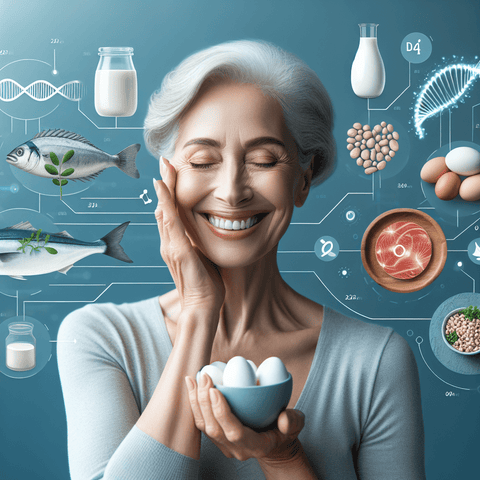
Vitamin B12 after age 50 becomes increasingly important because aging, medications, dietary changes, and reduced stomach acid can lower absorption efficiency. Adequate B12 supports cognitive health, energy production, red blood cell formation, DNA synthesis, and neurological function, while deficiency may cause fatigue, memory problems, anemia, numbness, balance issues, and potentially lasting nerve damage. Dietary sources include meat, fish, eggs, dairy, fortified cereals, and plant-based milks, but supplementation for seniors may be necessary when intake or absorption is limited. Regular blood testing and guidance from a healthcare professional can help personalize methylcobalamin or other B12 supplementation strategies for healthy aging nutrition.