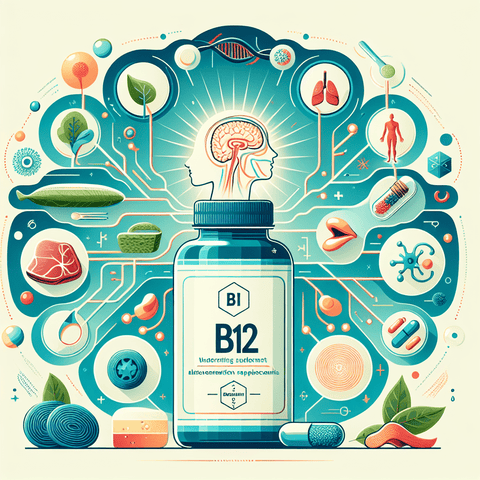
What Are Vitamin B12 Benefits? Why This Essential Nutrient Matters
Vitamin B12, also known as cobalamin, is a water-soluble vitamin that plays a fundamental role in numerous bodily processes. This essential nutrient is not just a single compound—it is a family of related molecules that your body requires for maintaining healthy nerve cells, producing DNA, and forming red blood cells. Understanding vitamin B12 benefits goes beyond simple energy boosts; this nutrient is deeply integrated into your body's core operating systems. In this article, you'll learn what vitamin B12 actually does, how to recognize signs of insufficiency, where to find it in your diet, and importantly, how to evaluate whether supplementation might be a sensible addition to your wellness routine.
Defining Vitamin B12 and Its Role in the Body
Vitamin B12 is unique among vitamins because it contains the mineral cobalt, which is why it's often referred to as "cobalamin." Your body requires B12 for several critical functions, including the synthesis of myelin—the protective sheath that surrounds your nerves and speeds up signal transmission. Additionally, it works alongside folate (vitamin B9) to support DNA synthesis and cellular division. Without adequate vitamin B12, your body cannot properly produce healthy red blood cells, which can lead to a specific type of anemia characterized by larger-than-normal, inefficient red blood cells.
The Difference Between Vitamin B12 and Other B-Complex Vitamins
The B-complex family includes eight distinct vitamins—B1 (thiamine), B2 (riboflavin), B3 (niacin), B5 (pantothenic acid), B6 (pyridoxine), B7 (biotin), B9 (folate), and B12 (cobalamin). While all B vitamins act as coenzymes in energy metabolism, vitamin B12 is unique for its storage capacity, its dependence on a protein called intrinsic factor for absorption, and its prominent role in neurological health. Unlike some water-soluble vitamins that are excreted within hours, your body can store B12 in the liver for years, which makes deficiency symptoms slow to develop. To understand more about how B12 fits within the broader B-vitamin group, you can explore our dedicated guide on B-vitamin benefits across the body.
Top Vitamin B12 Benefits for Energy, Brain Health, and Vitality
How Vitamin B12 Benefits Your Energy Levels and Fights Fatigue
One of the most commonly cited reasons people seek out vitamin B12 is for its connection to energy. While B12 itself does not provide caloric energy like carbohydrates or fats, it is essential for converting food into glucose, which your cells use as fuel. If you have insufficient vitamin B12, the breakdown of fatty acids and amino acids for energy becomes less efficient, which research suggests may contribute to feelings of profound fatigue and weakness. Correcting a deficiency often helps restore normal energy metabolism, which is why B12 is frequently included in formulas designed to combat tiredness.
Vitamin B12 Benefits for Nervous System Function and Nerve Health
The nervous system is heavily reliant on B12 for the maintenance and repair of the myelin sheath. This fatty layer acts as an insulator for nerve fibers, allowing electrical impulses to travel quickly and accurately. When B12 levels are low, myelin integrity may be compromised, which can lead to nerve signaling disruptions. Clinically, this may manifest as tingling sensations, numbness, or a "pins and needles" feeling in the hands and feet. Supporting adequate B12 levels is therefore considered important for long-term neurological resilience.
Cognitive Benefits: How Vitamin B12 Supports Focus and Memory
Emerging evidence suggests that vitamin B12 status may influence cognitive performance, particularly in older adults. B12 supports the production of neurotransmitters, including serotonin and dopamine, which regulate mood, focus, and motivation. Several observational studies have associated higher B12 levels with better memory performance, while deficiency has been linked with cognitive decline. However, it is important to note that while B12 is necessary for brain health, taking high-dose supplements will not necessarily enhance memory in individuals who already have adequate levels.
The Role of Vitamin B12 in Red Blood Cell Formation and Oxygen Transport
Vitamin B12 is vital for erythropoiesis, the process of creating new red blood cells in the bone marrow. Without sufficient B12, the maturation process of these cells is disrupted, leading to megaloblastic anemia—a condition where the body produces oversized, immature red blood cells that cannot carry oxygen effectively. Since oxygen is required for virtually every cellular function, the fatigue and shortness of breath associated with B12-deficiency anemia are direct consequences of reduced oxygen delivery to tissues.
Vitamin B12 Benefits for Heart Health: Managing Homocysteine Levels
There is a well-documented biochemical link between vitamin B12 and cardiovascular health, primarily through the regulation of homocysteine. Homocysteine is an amino acid that, when present in high levels in the blood, is associated with an increased risk of cardiovascular disease. Vitamin B12 acts as a cofactor in converting homocysteine back into methionine, thereby helping to keep homocysteine levels in check. While managing homocysteine with B-vitamins has not been shown to definitively reduce heart attack risk in clinical trials, maintaining healthy B12 levels remains a sensible component of cardiovascular risk management.
Recognizing the Signs of Vitamin B12 Insufficiency
Common Physical Symptoms Associated with Low Vitamin B12
Because vitamin B12 deficiency affects rapidly dividing cells and the nervous system, symptoms can be broad and sometimes vague. Physically, you might notice:
- Unexplained fatigue or weakness that persists despite adequate rest
- Shortness of breath upon minimal exertion
- Pale or slightly jaundiced (yellowish) skin
- Tingling or numbness in the hands and feet
- Glossitis—a swollen, red, and smooth tongue
- Heart palpitations or dizziness
These symptoms often develop gradually, which means they can be easily attributed to stress, aging, or other lifestyle factors.
Cognitive and Mood-Related Signs of Vitamin B12 Deficiency
Neurological and psychological symptoms can also signal low B12 status. These may include memory lapses, difficulty concentrating, irritability, and symptoms that mimic depression or anxiety. In severe, prolonged cases, cognitive changes can be profound and may resemble dementia. It is crucial to recognize that these symptoms are non-specific—many other health conditions can produce them, which is why professional evaluation is necessary.
Why Symptoms Alone Are Not Enough to Diagnose a Deficiency
It cannot be overstressed that self-diagnosing a B12 deficiency based on symptoms alone is unreliable. Fatigue and brain fog are among the most common complaints in medical practice and can stem from hundreds of different causes, including sleep disorders, thyroid dysfunction, iron deficiency, or simply stress. A serum B12 blood test, along with markers such as methylmalonic acid (MMA) or homocysteine, provides a much clearer picture of your actual B12 status and functional availability.
Causes and Risk Factors for Vitamin B12 Deficiency
Dietary Causes: Veganism, Vegetarianism, and Low Meat Intake
Vitamin B12 is synthesized exclusively by certain bacteria and archaea, not by plants or animals. Animals obtain it through their diet or gut flora, storing it in their tissues. Consequently, naturally occurring B12 in meaningful amounts is found almost exclusively in animal products—meat, fish, poultry, eggs, and dairy. Strict vegans and, to a lesser extent, vegetarians who do not consume sufficient fortified foods are at higher risk for deficiency. It is not a matter of "poor diet" per se, but rather a limitation of plant-based eating patterns that do not naturally contain this nutrient.
Age-Related Decline in Stomach Acid and Absorption
As we age, our stomach produces less hydrochloric acid and less intrinsic factor—a glycoprotein produced by the stomach lining that is essential for B12 absorption in the ileum. This condition, known as atrophic gastritis, affects up to 30% of adults over the age of 60. Reduced stomach acid impairs the release of B12 from food proteins, making dietary B12 less bioavailable. For this reason, older adults are often advised to pay special attention to their B12 intake.
Digestive Conditions Affecting B12 Absorption (e.g., Crohn’s Disease, Atrophic Gastritis)
Any condition that affects the stomach or the terminal ileum (the final section of the small intestine) can interfere with B12 absorption. Crohn's disease, celiac disease, and bacterial overgrowth in the small intestine can all impair the body's ability to extract B12 from food or reabsorb it via the enterohepatic circulation. In these situations, even a diet rich in animal products may not be sufficient to maintain healthy levels.
The Impact of Common Medications on Vitamin B12 Status (e.g., Metformin, Proton Pump Inhibitors)
Long-term use of certain medications is a recognized risk factor for B12 depletion. Metformin, a first-line drug for type 2 diabetes, has been shown in trials to reduce B12 absorption, potentially lowering serum levels over years of use. Similarly, proton pump inhibitors (PPIs) and H2 receptor antagonists, used to treat acid reflux, reduce stomach acid production, which can limit the release of B12 from food. If you are taking these medications long-term, monitoring your B12 levels is often prudent.
Surgical History: Bariatric or Gastric Resection and B12 Malabsorption
Weight-loss surgeries, particularly gastric bypass procedures, fundamentally alter the anatomy of the digestive tract. Because the stomach cells that produce intrinsic factor are bypassed or removed, and because the food is routed past the ileum where absorption takes place, B12 absorption is often severely compromised post-surgery. Lifelong B12 supplementation is routinely recommended after bariatric surgery to prevent deficiency.
Individual Variability: Why Your Vitamin B12 Needs Are Unique
Genetic Factors Affecting B12 Transport and Utilization (MTHFR and Transcobalamin)
Your genetic makeup can influence how efficiently you absorb, transport, and utilize vitamin B12. Variations in the FUT2 gene affect how much B12 you absorb from your gut. Polymorphisms in the MTHFR gene, which is involved in folate metabolism, can interact with B12 status to influence homocysteine levels. Additionally, variations in transcobalamin proteins, which carry B12 in the blood, may affect how much B12 reaches your tissues. These factors mean that two people with identical blood test results on paper may have different functional B12 availability.
How Age and Digestive Health Change Your B12 Requirements
Your "optimal" B12 intake is not a fixed number; it varies with age, digestive health, and life stage. The Recommended Dietary Allowance (RDA) for adults is 2.4 micrograms per day, but this figure assumes healthy absorption. Older adults, individuals with malabsorptive conditions, and pregnant or lactating women may have higher functional needs. Rather than assuming one-size-fits-all, it is important to consider your specific physiological circumstances.
Why Blood Test Results Matter for Determining Your Specific Needs
Debating symptoms or guessing your status is less effective than testing. A simple blood test can measure your serum B12 level or, more accurately, your holotranscobalamin ("active B12") or MMA levels. These tests provide objective data to help you and your healthcare provider decide whether dietary changes are sufficient or whether supplementation is warranted—and at what dose. This approach is far more reliable than trial-and-error based on how you "feel."
Food First: Dietary Strategies to Maximize Vitamin B12 Intake
Top Animal-Based Food Sources of Vitamin B12 (Clams, Liver, Fish, Meat, Eggs, Dairy)
For those who consume animal products, achieving adequate B12 intake is straightforward with a varied diet. The richest natural sources include:
- Shellfish: Cooked clams are exceptionally high—a single 3-ounce serving can provide over 1,000% of the Daily Value.
- Organ meats: Beef liver is another top source, delivering over 700% of the DV in a 3-ounce portion.
- Fish: Salmon, trout, and tuna are reliable sources, providing between 100% and 200% of the DV per serving.
- Meat and poultry: Beef, chicken, and pork contain moderate amounts.
- Eggs and dairy: While lower in concentration, eggs, milk, and yogurt contribute to total intake, especially when consumed regularly.
Because B12 is heat-stable, normal cooking methods do not significantly destroy it.
Navigating Vitamin B12 in Fortified Foods and Plant-Based Diets
If you follow a vegan or vegetarian diet, you cannot rely on natural plant sources. Instead, you must seek out fortified products. Many plant-based milks (soy, almond, oat), breakfast cereals, nutritional yeast, and meat analogs are fortified with B12. However, fortified foods are not a guarantee—the amount added varies by brand, and your intake depends on how much of these products you consume. It is important to read labels carefully and consider whether fortified foods alone can meet your needs.
Lifestyle Habits That Support Optimal Nutrient Absorption
While dietary intake matters, absorption is equally important. Maintaining a healthy stomach environment is key. Limiting excessive alcohol consumption, managing stress, and treating any underlying gut issues like H. pylori infection or intestinal inflammation can improve your body's ability to extract nutrients from food. Eating a balanced diet that includes fiber and probiotics also supports a healthy gut microbiome, which may assist in overall nutrient metabolism.
The Role of Vitamin B12 Supplements: Cyanocobalamin, Methylcobalamin, and More
The Biological Rationale for Supplementing Vitamin B12
Supplementing becomes biologically rational when the gap between dietary intake and physiological need cannot be bridged by food alone. This occurs in three primary scenarios: when dietary intake is chronically low (veganism), when absorption is impaired (malabsorptive diseases, aging, bariatric surgery), or when physiological requirements are increased (pregnancy, hyperthyroidism). In these cases, supplementing provides a reliable, direct source of B12 that bypasses the need for digestion of food-bound protein.
Comparing Vitamin B12 Supplement Forms: Methylcobalamin vs. Cyanocobalamin vs. Adenosylcobalamin
Vitamin B12 supplements come in several chemical forms, each with subtle differences:
- Cyanocobalamin: This is the synthetic, most common, and cheapest form. It is highly stable and converts into active forms in the body. Some people have a genetic variation that makes this conversion less efficient, but for most, it is effective.
- Methylcobalamin: This is the naturally occurring form found in your body and is directly used for methylation reactions in the nervous system. It is often preferred for neurological support but is more expensive and less stable than cyanocobalamin.
- Adenosylcobalamin: This form is stored in the mitochondria (cellular energy centers) and is involved in energy metabolism. Some supplements combine methyl- and adenosylcobalamin for broad-spectrum coverage.
Bioavailability Differences: Sublingual Tablets, Capsules, Liquids, and Injections
There has been much debate about which delivery method is best. For standard B12 supplementation in individuals without severe malabsorption, oral tablets are effective. However, for those with pernicious anemia or having had bariatric surgery, sublingual (under the tongue) or injectable forms are often recommended because they bypass the stomach's intrinsic factor requirement. Injections deliver B12 directly into the bloodstream and are typically reserved for severe deficiency or neurological symptoms. Absorption rates vary, but the relative clinical significance for most healthy individuals is modest—what matters most is consistent, sufficient intake.
When Is Vitamin B12 Supplementation Actually Relevant?
Supplementing for Confirmed Deficiency or Insufficiency
The clearest indication for supplementation is a diagnosed deficiency based on blood tests. In such cases, supplementation is not optional—it is a necessary intervention to prevent further health decline. Your doctor may prescribe high-dose oral B12 or a series of injections depending on the severity and the underlying cause. Do not attempt to self-treat a suspected severe deficiency, as neurological damage can be irreversible if left untreated.
Why Vegans and Vegetarians Should Consider Vitamin B12 Supplements
For individuals on a strict vegan diet, supplementation is not just a good idea—it is a medical necessity. Fortified foods may not suffice, especially in the long term. The recommended intake for vegans is often higher than the general RDA because absorption efficiency varies. Taking a modest daily or weekly B12 supplement is the safest, most reliable way to ensure adequacy on a plant-based diet.
Supplementation for Older Adults and Individuals with Malabsorption Issues
The Institute of Medicine recommends that older adults (over 50) meet their B12 requirement primarily from supplements or fortified foods, rather than unfortified food sources alone, due to the high prevalence of atrophic gastritis and reduced stomach acid secretion. Similarly, anyone with Crohn's disease, celiac disease, or a history of gastric surgery should likely be on a maintenance supplement, regardless of dietary intake.
The Distinction Between General Nutritional Support and Medical Treatment
It is essential to distinguish between using B12 supplements for general wellness and using them as medical treatment. Taking a daily multivitamin with B12 to ensure nutritional coverage is reasonable. In contrast, treating a deficiency with high therapeutic doses (e.g., 1000 mcg daily or injections) should be done under medical supervision. A supplement cannot "treat" nerve damage or anemia without first addressing the underlying cause of the deficiency.
How to Choose the Right Vitamin B12 Supplement for Your Needs
Matching the B12 Form to Your Health Goals (Energy vs. Neurological Support)
If your primary goal is general energy support and you have no absorption issues, cyanocobalamin is effective and cost-efficient. If you are specifically addressing neurological symptoms like tingling or memory issues, methylcobalamin is often considered the more bio-active form for nervous system support. Some formulations include both methyl- and adenosylcobalamin to target both the neurological and mitochondrial pathways.
Determining the Right Dosage: Micrograms, Serving Size, and Potency
Do not be confused by high tablet numbers (e.g., 1000 mcg or 5000 mcg). Because B12 is poorly absorbed from a single oral dose (only about 1-2% is absorbed passively without intrinsic factor), high doses are standard to ensure a significant amount gets into the bloodstream. The physiological requirement is minuscule (2.4 mcg/day), but the supplement dose must be much larger to overcome absorption barriers. There is no need to take megadoses unless prescribed by a doctor for a specific condition.
Single-Ingredient vs. B-Complex Combinations: Which Should You Pick?
Considering that B vitamins work synergistically, a B-complex supplement is often a smart choice for general wellness. It ensures you are not creating imbalances—for example, high-dose folic acid can mask a B12 deficiency. However, if you have a specific B12 deficit or a genetic issue impairing B12 utilization, a single-ingredient supplement at a higher dose may be more appropriate. Evaluate your needs honestly before choosing.
Evaluating Purity: Third-Party Testing, Certifications, and Allergen Information
Because supplements are regulated as foods, not drugs, quality varies by manufacturer. Look for products that have been third-party tested for heavy metals, pesticides, and microbial contamination. Certifications like NSF, USP, or Informed Choice provide an extra layer of quality assurance. Always check the "free-from" list to ensure the product suits your dietary restrictions (e.g., gluten-free, vegan, or no artificial colorings).
Practical Differences: Tablets, Gummies, Sprays, and Sublingual Drops
Your choice of format largely depends on personal preference and ease of compliance. Straightforward tablets are affordable and portable. Gummies are palatable but may contain sugar and have a lower dose per serving. Sublingual drops and sprays are absorbed through the oral mucosa and may be beneficial for those with digestive issues, as they partially bypass the stomach. Choose a format that you will actually take consistently—consistency matters more than the delivery method in healthy individuals.
What to Look for on a Vitamin B12 Supplement Label
Decoding Active Ingredient Names and Forms
The label must clearly state which form of B12 is used. You should see "cyanocobalamin," "methylcobalamin," or "adenosylcobalamin" in the ingredient list—not just "vitamin B12." If the product lists a blend of several forms, check the quantity of each. This transparency allows you to match the ingredient to your health goal.
Understanding Supplement Facts: Strength, Servings, and Percent Daily Value
The Supplement Facts panel shows the amount of B12 per serving and the serving size (e.g., 1 tablet). The % Daily Value (DV) for B12 is typically 2.4 mcg. A supplement may show 10,000% DV or higher (e.g., 250 mcg or 500 mcg), which is common and safe. Pay attention to the number of servings per container; a product might seem cheap but only contain a 7-day supply.
Quality Indicators to Trust: GMP Compliance, Third-Party Seals, and Non-GMO or Vegan Labels
Look for "Manufactured in a GMP-Certified Facility" as a baseline. ConsumerLab.com, USP, and NSF approval provide stronger assurance that the product contains what it claims. A "Certified Vegan" label guarantees no animal-derived ingredients in the capsule itself, which is relevant for plant-based consumers. You could also review our range of natural supplement options to see how different brands meet these quality standards.
Who Benefits Most from Vitamin B12 Supplements?
At-Risk Groups That May Require Higher Intakes
- Strict vegans and some vegetarians
- Adults over 50 years old
- Individuals taking proton pump inhibitors or metformin long-term
- Those with pernicious anemia or autoimmune gastritis
- Post-bariatric surgery patients
- Individuals with Crohn's, Celiac, or chronic pancreatitis
Situations Where Professional Testing and Medical Guidance Are Recommended
If you are experiencing unexplained neurological symptoms, severe fatigue, or cognitive changes, do not self-diagnose. A doctor can perform the appropriate blood tests and rule out other serious conditions. Also, if you are pregnant or breastfeeding and following a vegan diet, urgent supplementation and monitoring are essential for the infant's neurological development. In these scenarios, professional guidance is not just helpful; it is necessary.
Safety, Side Effects, and Interactions of Vitamin B12
The Safety Profile of Vitamin B12: Upper Intake Levels and Toxicity Concerns
Vitamin B12 is remarkably safe. Because it is water-soluble, any excess not bound to proteins is excreted in the urine. No Upper Intake Level (UL) has been established for B12 due to a lack of adverse effects at high doses. Even at doses of 1000 mcg daily, side effects are rare. This safety profile, however, should not be used as an excuse to take excessive amounts without a clear reason.
Potential Side Effects and How to Manage Them
While rare, some individuals may experience mild side effects from high doses, including diarrhea, skin rash, or acneiform eruptions. In very rare cases, individuals with a sensitivity to cobalt (a component) may experience an allergic reaction. If you notice an unusual reaction, discontinue the supplement and consult a healthcare provider. Taking the supplement with food often minimizes mild gastrointestinal upset.
Known Drug Interactions and Medical Conditions Requiring Caution
B12 supplements are not known to cause major drug interactions, but it is relevant to note that folic acid supplements can "mask" the anemia caused by B12 deficiency. Therefore, if you take high-dose folic acid (more than 1 mg/day), undergo routine B12 monitoring as well. People with Leber's disease (a hereditary optic nerve atrophy) should avoid cyanocobalamin and use methylcobalamin instead, as cyanide accumulation may be problematic in this small subset of patients.
Making an Informed Decision: Diet, Supplements, and Next Steps
How to Assess Whether Dietary Changes Alone Can Meet Your Needs
Start by honestly analyzing your diet. Are you eating animal products daily? If yes, and you are healthy and under 50, a balanced diet likely provides sufficient B12. Are you vegan? If so, a fortified food intake may only be sufficient if you are consuming large amounts daily—which is often unrealistic. Use a nutritional tracking app or consult a dietitian for a few weeks to see if your average intake approaches the RDA.
Key Factors to Consider Before Purchasing a Vitamin B12 Supplement
- Do you have a known deficiency or a risk factor like veganism/age?
- What form aligns with your health goals (neurological vs. general)?
- Does the product have third-party testing and clear labels?
- Is the dosage appropriate for your situation (not the maximum advertised)?
- Will you be consistent with a tablet or do you prefer a spray/gummy?
Final Checklist for Choosing a High-Quality Vitamin B12 Product
Look for a clear, recognizable form of B12. Ensure the label indicates the exact dosage per serving and the number of servings. Verify that the product meets your dietary requirements (vegan/gluten-free). Check for third-party seals or batch testing. Compare the cost per serving, not just the bottle price. You may find it useful to browse curated supplement collections that emphasize quality sourcing.
Conclusion: Harnessing Vitamin B12 Benefits for Lasting Vitality
The Balanced Approach: Prioritizing Diet, Understanding Your Body, and Supplementing Wisely
Reaping the benefits of vitamin B12 is not about taking the highest dose or the most expensive form—it is about ensuring your individual physiology receives what it needs to function optimally. For most, this means prioritizing a diet rich in animal products or reliable fortified foods. For others, particularly vegans, older adults, and those with digestive conditions, a thoughtful supplement is an essential tool for bridging the gap. It is a straightforward nutrient with a critical job.
Next Steps for Optimizing Your Energy and Long-Term Health
If you suspect your B12 levels are suboptimal, your first step should not be to buy the biggest bottle—it should be to get a blood test. Armed with this data, you can make a targeted decision. You can explore a range of B-vitamin supplements to understand available options. Alternatively, if you are looking for comprehensive support, a quality multivitamin containing B12 may be a convenient starting point. Remember that true vitality comes from a consistent, balanced approach to nutrition, sleep, and physical activity, with targeted supplements playing a supporting role.
Key Takeaways
- Vitamin B12 is essential for nerve function, red blood cell production, and DNA synthesis—it is not merely an "energy pill."
- Energy improvement from B12 is only significant when a deficiency is present; excess B12 is not a stimulant.
- Natural dietary sources are exclusively animal-based (meat, fish, dairy, eggs); fortified foods are required for vegans.
- Deficiency symptoms like fatigue and brain fog are non-specific and must be confirmed with blood tests.
- Older adults and individuals on long-term metformin or acid-reducing medications have higher deficiency risk.
- Methylcobalamin is preferred for neurological support; cyanocobalamin is effective, stable, and cost-efficient for general use.
- High oral doses (1000 mcg) are safe due to the body's passive absorption mechanism, which limits plasma uptake.
- Supplements cannot compensate for an unhealthy diet or lifestyle; they are part of a broader wellness strategy.
Frequently Asked Questions
What does vitamin B12 do for the body?
Vitamin B12 plays a crucial role in the formation of red blood cells, the maintenance of the myelin sheath around nerves, and DNA synthesis. It also works with vitamin B9 (folate) to help regulate homocysteine levels, which is relevant for cardiovascular health.
What are the first signs of vitamin B12 deficiency?
Common early signs include unusual fatigue, weakness, and lightheadedness. Some people also notice a tingling or "pins and needles" sensation in their hands and feet, along with mouth ulcers or a sore, red tongue. These signs are subtle and overlap with many other health issues.
Is vitamin B12 deficiency more common in vegans or vegetarians?
Yes. Because B12 is almost exclusively found in animal-derived foods, strict vegans are at the highest risk. Vegetarians who consume dairy and eggs have a lower risk but can still develop a deficiency if their intake of these foods is low or their absorption is poor.
Can a vitamin B12 deficiency cause anxiety or depression?
Low B12 status has been associated with mood disturbances, including symptoms of depression and anxiety. This is likely due to B12's role in synthesizing neurotransmitters like serotonin and dopamine. Addressing a deficiency may support mood, but it is not a substitute for medical mental health care.
Is it safe to take 1000 mcg of vitamin B12 daily?
Yes, taking 1000 mcg daily is considered safe and is a common dosage in oral supplements. Because only a small fraction is absorbed from such a high dose, toxicity is effectively non-existent. However, you should generally take the lowest effective dose for your needs.
Which form of vitamin B12 is better: cyanocobalamin or methylcobalamin?
For most healthy individuals, cyanocobalamin is effective and safe because the body readily converts it to active forms. Methylcobalamin is biologically active and may be preferred for specific neurological conditions or for people with certain genetic variations (such as MTHFR mutations) that hamper conversion.
Can vitamin B12 help with weight loss?
There is no scientific evidence that vitamin B12 directly causes weight loss. While correcting a deficiency may improve energy and metabolic function, these effects are indirect. The weight loss often attributed to B12 injections is likely due to the accompanying personalized diet and exercise plans.
Should I take vitamin B12 on an empty stomach or with food?
For oral supplements, absorption is often slightly better on an empty stomach, but taking it with food is perfectly acceptable and may reduce the risk of mild stomach upset in sensitive individuals. Consistency is more critical than timing for maintaining stable levels.
How long does it take to recover from a vitamin B12 deficiency?
If symptoms are present, improvements are often noticed within a few days to a week of starting treatment, particularly for fatigue. Neurological symptoms like tingling may take months to resolve, and some nerve damage may become permanent if the deficiency was severe and prolonged.
Does vitamin B12 interfere with any heart or diabetes medications?
Vitamin B12 itself has no significant known interactions with heart medications. However, metformin (a diabetes drug) can lower B12 levels over time. Additionally, folic acid supplements can mask the blood indicators of B12 deficiency, so it's wise to monitor B12 status if taking high-dose folic acid.
Can you test vitamin B12 levels at home?
At-home blood spot test kits for vitamin B12 are available and can indicate your total serum B12. These are convenient for screening, but they may not always reflect tissue levels accurately. For an actionable diagnosis, a full blood panel including MMA and homocysteine performed by a physician is preferable.
Is it necessary to take a vitamin B12 supplement while pregnant on a plant-based diet?
Absolutely. The developing baby's neurological system relies heavily on vitamin B12. A vegan or vegetarian mother must be rigorous about B12 intake during pregnancy and breastfeeding, as a deficiency in the infant can lead to severe and irreversible neurological delays. Medical guidance is strongly advised.
Related Keywords
- vitamin b12 benefits
- b12 deficiency symptoms
- methylcobalamin vs cyanocobalamin
- vitamin b12 foods
- vitamin b12 dosage
- vitamin b12 for vegans
- nerve health vitamin b12
- b12 energy and fatigue
- vitamin b12 blood test
- vitamin b12 side effects
- vitamin b12 absorption
- b12 for older adults
- pernicious anemia treatment
- homocysteine and b12