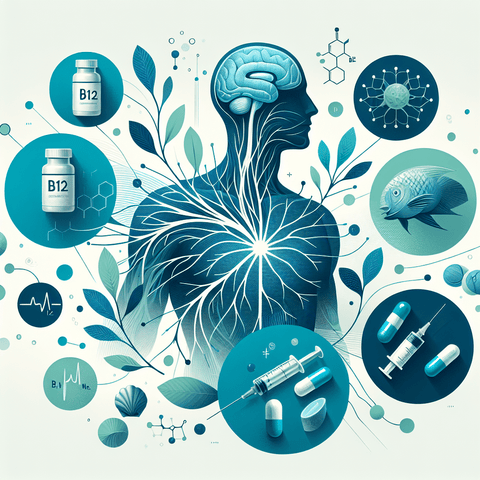
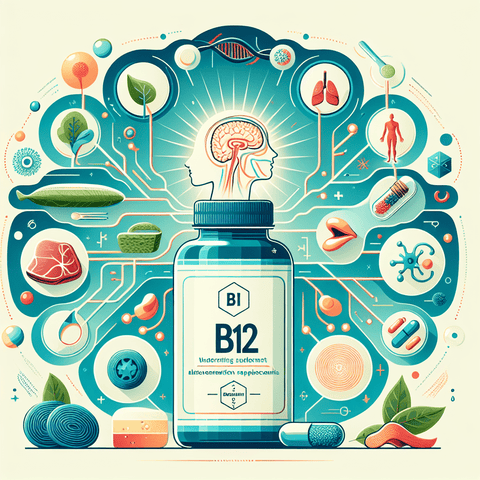
Vitamin B12 deficiency is a significant health concern that can lead to a range of symptoms and long-term health consequences if not identified and addressed in a timely manner. This page serves as a comprehensive guide to understanding vitamin B12 deficiency, its causes, the key warning signs to monitor, and the various strategies for management and support. You will learn what vitamin B12 is, why it matters for your health, and how dietary choices and supplements, such as those available at Topvitamine, can play a role in maintaining adequate levels.
What Is Vitamin B12 Deficiency?
Vitamin B12, also known as cobalamin, is an essential nutrient that plays a vital role in several critical bodily functions. It is necessary for the formation of red blood cells, proper neurological function, and DNA synthesis. A deficiency develops when your body does not get enough of this vitamin or cannot absorb it effectively, leading to a disruption in these fundamental processes.
The Biological Role of Vitamin B12
Adequate levels of vitamin B12 are required to maintain the health of nerve cells and contribute to the production of myelin, the protective sheath that covers nerves. It is also essential for the production of red blood cells, which transport oxygen throughout the body, and for the synthesis of DNA, the genetic material in all cells.
How Deficiency Develops
A vitamin B12 deficiency typically develops due to two primary reasons: dietary insufficiency and malabsorption. Dietary insufficiency is common in individuals following vegetarian or vegan diets that limit or exclude animal products, which are the primary natural sources of B12. Malabsorption can be caused by several factors, including age-related changes in gastrointestinal function, pernicious anemia (an autoimmune condition), gastrointestinal diseases like Crohn's disease, and certain medications that reduce stomach acid production.
Who Is at Risk?
Certain groups have a higher risk of developing a vitamin B12 deficiency. These include:
- Older adults, due to decreased stomach acid and absorption efficiency.
- Individuals following strict vegetarian or vegan diets.
- People with gastrointestinal conditions like Crohn's disease or celiac disease.
- Those who have had weight-loss surgery that affects the stomach or small intestine.
- Individuals taking long-term medications that reduce stomach acid, such as proton pump inhibitors, or metformin for diabetes.
- Pregnant and breastfeeding individuals, especially those with a pre-existing deficiency.
Why This Topic Matters: Health Implications
Understanding vitamin B12 deficiency is crucial because of its potential to significantly impact your health and quality of life. If left untreated, it can lead to severe complications that affect both your physical and mental well-being.
Potential Health Consequences of Untreated Deficiency
A prolonged, untreated deficiency can lead to serious health issues, including neurological damage, cognitive decline, mood disturbances, and anemia-related fatigue. In severe cases, the neurological damage can become permanent, making early diagnosis and intervention essential.
Impact on Quality of Life
Beyond the direct medical implications, a vitamin B12 deficiency can significantly affect your daily life. Symptoms like chronic fatigue, cognitive difficulties, and mood changes can impact work performance, personal relationships, and overall well-being. Misdiagnosis or delayed diagnosis can lead to prolonged suffering and unnecessary complications.
Key Warning Signs and Symptoms to Monitor
Recognizing the symptoms of vitamin B12 deficiency is the first step toward getting the help you need. Symptoms can vary from person to person and often develop gradually, making them easy to overlook. Here are the most common warning signs to monitor:
Common Physical Symptoms
- Unexplained fatigue and weakness.
- Pale skin, shortness of breath, or dizziness (signs of anemia).
- Numbness, tingling, or balance problems (neuropathic symptoms).
- Mouth, tongue, and dental changes, such as glossitis (inflammation of the tongue) or mouth ulcers.
- Digestive disturbances, including nausea, diarrhea, or changes in appetite.
- Vision changes, such as blurred vision, though this is rare.
Cognitive and Neurological Symptoms
- Cognitive changes, including memory lapses and difficulty concentrating.
- Mood disturbances, such as anxiety or depression.
It's important to note that these symptoms can also be caused by other health conditions, such as iron deficiency, thyroid disorders, or generalized fatigue from non-nutritional causes. This overlap makes it essential to seek a professional evaluation for an accurate diagnosis.
How Is Vitamin B12 Deficiency Diagnosed?
Because symptoms alone are not reliable for diagnosis, confirming a vitamin B12 deficiency requires objective laboratory testing. If you suspect a deficiency, it's crucial to consult a healthcare professional who can order the appropriate tests.
The Need for Objective Testing
Routine blood tests are used to confirm a deficiency. The most common tests include:
- Serum B12 level: Measures the total amount of B12 in your blood.
- Methylmalonic acid (MMA) test: A more sensitive marker that can indicate early deficiency.
- Homocysteine test: Elevated levels can also be a sign of B12 deficiency, though it can be influenced by other factors like folate levels.
These tests help differentiate a B12 deficiency from other potential health issues with similar symptoms, ensuring you receive the correct treatment.
Dietary Sources of Vitamin B12
Vitamin B12 is naturally found in a variety of animal products. For most people, a balanced diet can provide adequate amounts. However, for those following plant-based diets, getting enough B12 from food alone can be challenging.
Animal-Based Sources
- Meat, especially liver and red meat.
- Fish and shellfish, such as salmon, tuna, and clams.
- Poultry, like chicken and turkey.
- Dairy products, including milk, cheese, and yogurt.
- Eggs.
Fortified Foods and Plant-Based Sources
For vegetarians and vegans, fortified foods can be an important source of B12. These may include:
- Fortified breakfast cereals.
- Fortified plant-based milk alternatives (e.g., soy, almond, oat milk).
- Nutritional yeast.
- Fortified meat substitutes.
It's important to check product labels to confirm they are fortified with vitamin B12.
The Role of Nutritional Supplements
Nutritional supplements can play a vital role in both preventing and correcting a vitamin B12 deficiency, especially for individuals at higher risk or those who have difficulty meeting their needs through diet alone. However, it's important to understand their scope, limits, and prudent use.
Supplements vs. Medical Treatment
While nutritional supplements can effectively support the correction of a deficiency, they should not replace professional medical diagnosis or treatment when indicated. If you have a severe deficiency or an underlying condition causing malabsorption, your doctor may recommend specific medical treatments, such as B12 injections, alongside or instead of oral supplements.
Forms of B12 Supplements
Vitamin B12 supplements are available in several forms, each with unique characteristics. The most common forms include:
- Cyanocobalamin: A synthetic form often used in supplements due to its stability and cost-effectiveness.
- Methylcobalamin: A natural, active form of B12 that is readily used by the body.
- Hydroxocobalamin: A natural form that is a precursor to the active coenzymes and is often used in injections.
The choice of form depends on individual needs, absorption capabilities, and medical advice.
Delivery Formats: Oral, Sublingual, and Injections
B12 supplements come in various delivery formats, including oral tablets, sublingual tablets (which dissolve under the tongue for potentially faster absorption), and injections. The most appropriate format depends on your specific situation, including the severity of the deficiency and any absorption issues, and should be discussed with a healthcare professional.
Dosing and Safety Basics
Typical daily allowances for vitamin B12 vary by age and life stage. Higher doses are often used for therapeutic purposes to correct a deficiency, but the appropriate dose should be determined in consultation with a healthcare professional. Understanding safe dosing practices is crucial to avoid potential complications, though B12 is generally considered safe and well-tolerated.
Special Considerations and Interactions
Certain medications, such as acid-reducing drugs (proton pump inhibitors) and metformin, can affect vitamin B12 absorption. Pregnancy, breastfeeding, and existing medical conditions can also influence supplementation needs. Always consult with a healthcare professional before starting any new supplement, especially if you have underlying health conditions or are taking other medications.
Practical Tips for Selecting a High-Quality Supplement
When selecting a vitamin B12 supplement, it's important to choose a high-quality product. Look for supplements that:
- Have undergone third-party testing for purity and potency.
- Provide clear and transparent ingredient labeling.
- Offer vegetarian or vegan certifications if that is important to you.
- Adhere to clean-label principles, meaning they avoid unnecessary fillers and artificial additives.
For a range of trusted options, you can explore the vitamin B supplements available at Topvitamine.
Prevention and Management Strategies
Preventing a vitamin B12 deficiency is often easier than treating one. A proactive approach involves understanding your risk factors and making informed choices about your diet and lifestyle.
A Simple Decision Flow for Supplementation
- Assess your risk factors, including your diet, age, medication use, and any gastrointestinal conditions.
- Consider appropriate laboratory testing and seek guidance from a healthcare professional to confirm your B12 status.
- If recommended, select a suitable supplementation approach and monitor your response to it over time.
When to Start a Supplement (and When Not To)
Starting a vitamin B12 supplement may be a reasonable step for those with dietary insufficiencies, such as vegans and vegetarians, or for those with identified risk factors. However, cases requiring medical intervention should always take precedence. If you are experiencing severe or persistent symptoms, it is crucial to consult a doctor first rather than self-treating.
Monitoring and Reevaluation
Managing a B12 deficiency effectively requires ongoing monitoring. Regularly tracking your symptoms, reviewing your nutritional needs, and having your B12 levels retested at intervals recommended by your healthcare provider are essential for ensuring your treatment plan remains effective and is adjusted as needed.
Exploring the Topic Further
This page provides a broad overview of vitamin B12 deficiency. For more detailed information on specific aspects, you may find the following topics useful:
- Specific symptoms like fatigue or neurological issues.
- In-depth comparisons of different B12 supplement forms.
- Detailed dietary plans for increasing B12 intake.
- The relationship between B12 and other nutrients, such as folate.
For broader nutritional support, you might also explore our guides on multivitamins or vitamin D to understand how different nutrients work together.
Key Insights and Next Steps
Vitamin B12 deficiency is a manageable condition, but it requires awareness and action. Here are the key points to remember:
- Vitamin B12 is crucial for red blood cell production, nervous system health, and DNA synthesis.
- Common warning signs include fatigue, anemia symptoms, neuropathic signs, cognitive changes, and oral symptoms.
- A comprehensive diagnostic approach, including laboratory testing, is necessary for accurate identification of a deficiency.
- Nutritional supplements can support those with vitamin B12 deficiencies, particularly in at-risk populations.
- Choosing high-quality supplements and monitoring your health status can help optimize your outcomes.
If you are experiencing persistent symptoms suggestive of a deficiency, it is important to consult with a healthcare professional for proper evaluation and guidance. For those looking to support their nutritional intake, Topvitamine offers a range of B12 supplements with clear labeling and trusted sourcing.
Questions & Answers
What are the common causes of vitamin B12 deficiency?
The common causes include dietary insufficiency, particularly in vegans and vegetarians, malabsorption due to gastrointestinal conditions, age-related changes, and certain medications that interfere with absorption.
How can I tell if I have a vitamin B12 deficiency?
Symptoms such as fatigue, pale skin, dizziness, neuropathic sensations, cognitive changes, and digestive disturbances may indicate a deficiency. However, these symptoms can also be caused by other conditions, so consulting a healthcare professional for appropriate testing is recommended.
Can vitamin B12 deficiency be treated with diet alone?
While increasing dietary intake of B12-rich foods can help some individuals, those with significant deficiency or malabsorption issues may require supplementation for effective treatment. A healthcare professional can help determine the best approach.
Is it safe to take vitamin B12 supplements?
Vitamin B12 supplements are generally safe for most individuals, even at high doses. However, it's best to consult a healthcare professional before starting supplements, especially if you have other health conditions or are taking other medications.
What forms of vitamin B12 supplements are available?
Vitamin B12 supplements are available in several forms, including cyanocobalamin, methylcobalamin, and hydroxocobalamin. Each has different absorption characteristics and use cases.
How often should I have my vitamin B12 levels checked?
Individuals at risk for deficiency, such as older adults or those on restricted diets, should consider regular testing. The frequency can vary based on individual health needs and dietary changes, so it's best to discuss this with your healthcare provider.
What are potential side effects of vitamin B12 supplements?
Vitamin B12 is generally well-tolerated, though some individuals may experience mild side effects, such as gastrointestinal disturbances or, in rare cases, allergic reactions. Consulting a healthcare provider can help manage any concerns.
How long does it take to see improvement after starting B12 supplements?
Improvement may be felt within a few days to weeks, depending on the severity of the deficiency and individual absorption. Continued monitoring is important to assess effectiveness.
Can vitamin B12 deficiency lead to long-term health issues?
Yes, untreated vitamin B12 deficiency can result in serious long-term health complications, including neurological damage and cognitive decline. Early identification and intervention are essential to prevent severe outcomes.
Where can I find reliable vitamin B12 supplements?
Topvitamine offers a variety of high-quality vitamin B12 supplements with transparent labeling and trusted sourcing. Always choose supplements from reputable suppliers for the best safety and efficacy.
How do I select the right vitamin B12 supplement for my needs?
Choosing the right supplement involves considering your dietary habits, absorption capabilities, and medical history. Consulting with a healthcare professional can help identify the most suitable form and dosage for your individual needs.