
Discover the ultimate guide to vitamin b12 dietary sources. This page centers on meat, seafood, dairy, eggs, and fortified options, offering a practical look at easy serving sizes, daily targets, and tasty meal ideas. By focusing on vitamin b12 dietary sources, the content helps you see how different categories contribute to planning balanced meals and portions. In the meat and seafood sections, you’ll find neutral notes about typical serving sizes and how they relate to daily targets. For example, daily targets commonly cited for adults are around 2.4 micrograms per day, and the guide shows how various portions can fit toward that target. The dairy and eggs sections present common serving sizes, while fortified options are explained with label-oriented details. Throughout, the emphasis remains on vitamin b12 dietary sources and clear, practical guidance for portion planning. For taste-forward ideas, the page presents a range of tasty meal ideas that feature vitamin b12 dietary sources without making claims about effects or benefits. Think simple protein-forward dishes, seafood-based bowls, comforting dairy-rich breakfasts or snacks, egg-centric plates, and uses of fortified products in cereals or grain-based meals. These ideas illustrate how different sources can be combined into everyday meals while keeping serving sizes and daily targets in view. Use this guide as a handy reference for exploring vitamin b12 dietary sources and shaping meal plans. The sections on meat, seafood, dairy, eggs, and fortified options provide a straightforward framework for easy serving sizes and daily targets, plus adaptable ideas to suit personal tastes. If you have specific needs or questions, consider consulting a professional for tailored guidance.
Vitamin B12 Dietary Sources: The Ultimate Guide to Rich Food Options
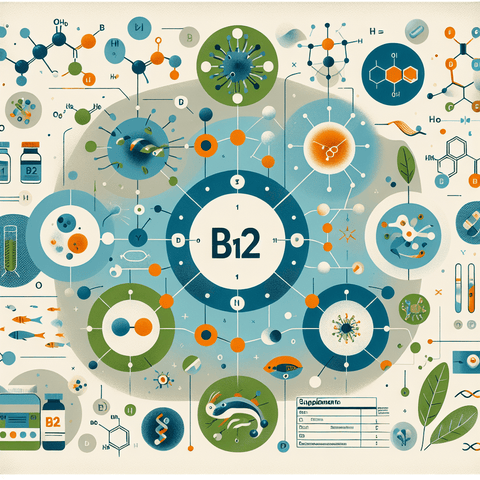
Where Is Vitamin B12 Found?Vitamin B12, also known as cobalamin, is an essential water-soluble vitamin that your body cannot produce on its own. It is found naturally in a variety of animal-based foods, including beef liver, clams, fish, meat, poultry, eggs, and dairy products. For those following vegetarian or vegan diets, vitamin B12 is primarily available through fortified foods such as plant-based milks, breakfast cereals, and nutritional yeast, as well as dietary supplements.Top B12-Rich Foods to Include in Your DietThe richest natural sources of vitamin B12 include beef liver (providing over 1,000% of the daily value in a 100-gram serving), clams (about 98.9 mcg per 100 grams), and various fish like salmon, trout, and tuna. Dairy products like milk, cheese, and yogurt, along with eggs, also contribute meaningful amounts of B12 to your daily intake. Fortified foods are excellent alternatives for plant-based eaters, but it is important to choose trusted brands and check labels for added B12.How to Meet Your Vitamin B12 NeedsMost people can meet their vitamin B12 needs through a balanced diet that includes animal products or fortified foods. However, individuals with absorption issues, older adults, and those on strict vegan diets may benefit from B12 supplements. Common supplement forms include cyanocobalamin, methylcobalamin, and adenosylcobalamin. If you suspect a deficiency or have dietary restrictions, consult a healthcare professional for personalized advice and regular monitoring.