
Understanding vitamin b12 intake is a practical step when planning daily nutrition and supplement use. This page presents a neutral overview of daily intake guidelines, safe supplement options, and the concept of top B12 foods, all through the lens of vitamin b12 intake. By focusing on clear information rather than claims, you can build a plan that fits your routine. The emphasis remains on how to approach vitamin b12 intake in a balanced, informed way. Daily intake guidelines for vitamin b12 intake vary by age, life stage, and other factors. For healthy adults, the commonly cited reference amount is 2.4 micrograms per day, with higher amounts sometimes noted for those who are pregnant or lactating. These numbers serve as a baseline for vitamin b12 intake planning and can be adjusted under professional guidance. Keeping track of your intake helps ensure your vitamin b12 intake stays within recommended ranges. When considering safe supplement options, there are multiple forms and delivery methods to be aware of. Product labels typically list the amount of vitamin B12 per serving, and some formulations use different B12 forms such as cyanocobalamin or methylcobalamin. Following label instructions and discussing any health conditions or medications with a clinician can support responsible vitamin b12 intake. If you are unsure, a pharmacist or clinician can help clarify choices relevant to vitamin b12 intake. Top B12 foods are discussed in neutral terms here to illustrate sources that can contribute to vitamin b12 intake. Rather than listing specifics, this section emphasizes how to identify reliable sources and fortified items, and how labeling information can inform your vitamin b12 intake planning. The goal is to support a structured approach to vitamin b12 intake, helping you navigate options without making health claims about outcomes.
Vitamin B12 Intake: Boost Your Energy, Mood, and Health with Smart Tips
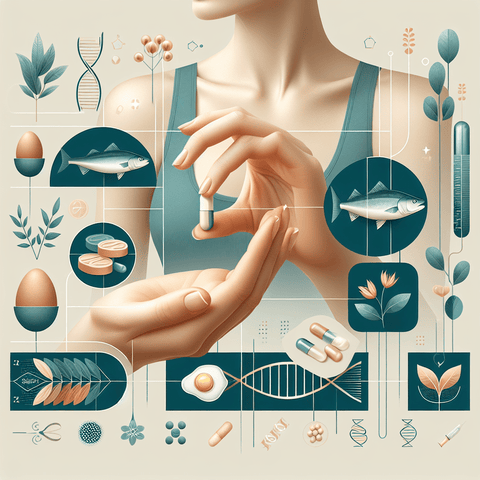
How to meet your B12 requirements through diet and supplementsVitamin B12 is an essential nutrient that supports red blood cell formation, nerve function, and DNA synthesis. Since your body cannot produce B12, you must obtain it from food or supplements. Animal-based foods like shellfish, organ meats, fish, eggs, and dairy are natural sources, while fortified plant milks, cereals, and nutritional yeast provide vegan-friendly options. For many people, supplements offer a reliable way to meet daily needs, especially when dietary intake is limited.B12 absorption tips to maximize the B12 you take inEven if you consume enough B12, your body must absorb it effectively. Absorption begins in the stomach, where acid releases B12 from food, then it binds to intrinsic factor for uptake in the small intestine. Factors like age, acid-reducing medications, gut conditions, and digestive surgeries can impair absorption. Strategies to improve absorption include taking supplements with food, considering sublingual forms, and addressing any underlying digestive issues. In cases of severe deficiency, injections may be necessary under medical supervision.Daily B12 intake: who needs it and how muchDaily B12 needs vary by age and life stage, from 0.4 micrograms for infants to 2.8 micrograms for lactating women. People at higher risk of deficiency include vegans, vegetarians, older adults, pregnant women, and those with gastrointestinal disorders. Regular monitoring through blood tests helps ensure adequate levels. If you are considering supplements, choose reputable products and consult a healthcare provider to determine the right dosage for your situation.