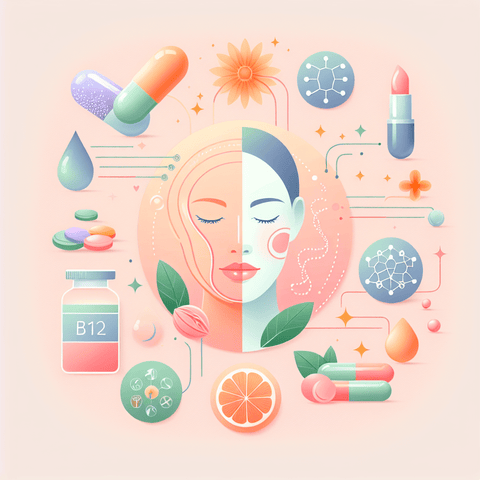
The term "vitamin B12 radiance" often surfaces in discussions about nutrition and skin health. This page serves as a comprehensive guide to understanding what this phrase means, how vitamin B12 relates to your overall well-being and appearance, and the key factors to consider for maintaining healthy levels. Here, we'll explore the vitamin's primary functions, the difference between internal health and topical products, and important supplement-related topics.
What Does "Vitamin B12 Radiance" Mean?
The connection between vitamin B12 and a radiant appearance is primarily linked to its fundamental roles in the body. Vitamin B12 is essential for normal energy metabolism, which is the process by which your body converts food into usable energy. It also supports the formation of red blood cells, which carry oxygen to all tissues, including the skin. When these systems function normally, it can contribute to a healthy, refreshed look. This internal support is distinct from topical skincare products that claim to brighten the skin.
It's crucial to understand that no supplement can guarantee a specific cosmetic outcome like "brightening" your skin. The concept of radiance is best understood as a byproduct of overall good health and nutrition, rather than a direct effect of a single nutrient.
Vitamin B12's Role in the Body
Beyond its association with appearance, vitamin B12 is a vital nutrient with several key functions. It contributes to normal neurological function, supports healthy red blood cell formation to help avoid fatigue, and plays a part in normal homocysteine metabolism. Low levels of B12 can lead to fatigue, weakness, and other health concerns, which is why maintaining adequate intake is so important for overall well-being.
Internal Health vs. Topical Products
The way vitamin B12 influences your appearance is through internal mechanisms, not by being applied to the skin. While some cosmetics may include B12, the scientific evidence linking topical application to a brighter complexion is limited. The primary and most well-understood benefits of B12 come from its role in supporting your body's internal systems. Therefore, a diet or supplement routine that supports healthy B12 levels is the most reliable path to supporting your overall vitality.
Dietary Sources and Absorption Factors
Vitamin B12 is naturally found in a variety of animal-derived foods. Understanding these sources and how your body absorbs the vitamin is the first step in managing your intake.
- Animal-based foods like fish, meat, poultry, eggs, and dairy products are the primary natural sources.
- Plant foods do not naturally contain vitamin B12, making it a nutrient of concern for those on vegetarian or vegan diets.
- Proper absorption relies on a healthy digestive system and a protein called intrinsic factor, produced in the stomach.
- Certain digestive conditions or medications can interfere with B12 absorption, even if dietary intake is sufficient.
Supplement Considerations and Forms
For many people, supplements are a practical way to ensure adequate vitamin B12 intake. Supplements are available in several forms, including cyanocobalamin, methylcobalamin, and hydroxocobalamin. While all are used to correct or prevent deficiency, they are absorbed and utilized by the body in slightly different ways. The choice of which form to use is often based on individual preference and healthcare provider recommendation.
B12 is commonly included in B-complex vitamins and general multivitamins. It is also sold as a high-dose standalone supplement. When choosing a product, it's helpful to look for reputable brands and to follow the dosage instructions on the label. As individual needs vary greatly, discussing supplementation with a healthcare professional is always the safest course of action.
For those interested in exploring supplementation, you might start with a general vitamin B supplement collection to understand what's available. You may also wish to review multivitamin options that contain B12 along with other essential nutrients.
Who Might Need to Pay Extra Attention to B12?
Certain groups are more likely to have low vitamin B12 levels and may need to be more vigilant about their intake. These groups include:
- Older adults, who may have decreased stomach acid production, affecting absorption.
- Individuals with digestive disorders like celiac disease or Crohn's disease.
- People who have had weight-loss surgery that affects the stomach or small intestine.
- Strict vegetarians and vegans who do not consume animal products.
- Those taking certain medications, such as metformin for diabetes or proton pump inhibitors for acid reflux.
General Safety and Usage Guidance
Vitamin B12 is a water-soluble vitamin, meaning your body typically excretes what it doesn't use. It is generally considered safe, even at higher doses, because it has a low potential for toxicity. However, it is still important to follow recommended dosages on product labels. Supplements are designed to support nutritional needs, not to treat or cure any medical condition.
Before starting any new supplement, it is advisable to speak with a healthcare professional. This is especially important for pregnant or nursing women, individuals taking prescription medications, or those with pre-existing health conditions. They can help you determine the right type and dosage for your specific needs.
Exploring the Topic Further
This page provides a broad overview of vitamin B12 and its connection to the concept of radiance. For those looking to learn more, a good next step is to explore specific B12 supplements or to read more detailed articles on related subtopics such as the different forms of B12 and their absorption rates. You can also review a broader collection of natural supplements to see how B12 fits into a wider wellness routine. Remember, a balanced diet and a healthy lifestyle are the cornerstones of feeling and looking your best.