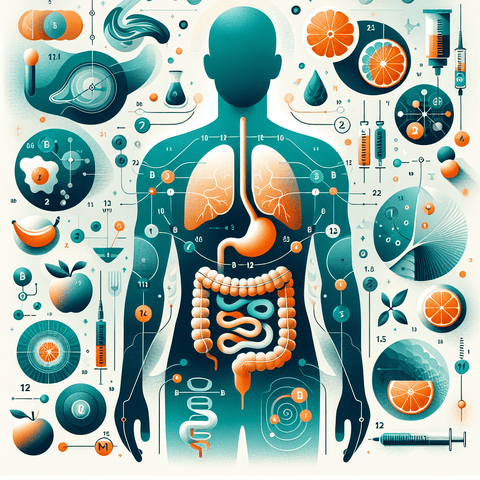
Vitamin B12 Guide: Benefits, Sources & Deficiency


What Is Vitamin B12 and Why Does It Matter?

Vitamin B12, also known as cobalamin, is a water-soluble vitamin that is essential for a wide range of bodily functions. It plays a fundamental role in energy metabolism, the maintenance of a healthy nervous system, and the formation of red blood cells. These processes are critical for sustaining physical vitality, cognitive function, and overall wellbeing. Because it is naturally found primarily in animal products, understanding your dietary intake and potential need for supplementation is a key part of managing your health.

Recognizing Deficiency and Its Implications

A deficiency in vitamin B12 can manifest through a variety of symptoms, including persistent fatigue, weakness, cognitive difficulties, and mood changes. If left unaddressed, a prolonged deficiency can lead to more serious health concerns, such as anemia and nerve damage. Individuals at higher risk include older adults, those following a vegetarian or vegan diet, and people with certain gastrointestinal conditions. Recognizing these risk factors is a crucial first step in preventing a deficiency.

Sources, Supplementation, and Next Steps

Vitamin B12 requirements can be met through a diet rich in meat, fish, dairy, and fortified foods, or through the use of supplements for those with dietary gaps or absorption issues. Supplements are available in several forms, such as cyanocobalamin and methylcobalamin, and choosing the right one may depend on individual health needs. If you suspect you might be at risk, a healthcare provider can offer testing and personalized advice to help you determine the best approach for maintaining healthy B12 levels.


Unlocking the Hidden Connection Between Vitamin B12 and Hormone Balance - Topvitamine
Sep 06, 2025
Vitamin B12 support for hormone balanceVitamin B12 supports hormone balance indirectly by helping the body run key processes like the methylation cycle, homocysteine regulation and energy production. These systems are important for endocrine function, including the thyroid, adrenal glands and the metabolism of hormones such as estrogen, progesterone, cortisol and testosterone. A deficiency in B12 can lead to symptoms like fatigue, brain fog, mood swings, numbness and hair loss, all of which may overlap with signs of hormonal imbalance.How it matters for females and response to deficiencyFor women, B12 supports red blood cell formation, neurological function and reproductive health, particularly during times of energy demand such as periods, pregnancy or menopause. Deficiency can be especially concerning during these stages, and correcting a shortfall through diet or supplements usually starts with having your levels tested by a healthcare provider.Risk factors and safe supplementation tipsPeople following a vegan or vegetarian diet, older adults, those with gut absorption issues or after weight-loss surgery are at a higher risk of B12 deficiency. Although B12 is water-soluble and considered safe, excessive intake can cause bothersome (but generally mild) symptoms like stomach upset, headaches or skin reactions. Always seek medical advice before taking high-dose supplements, especially if you have a medical condition or take medication.
Unlocking the Mystery: How Vitamin B12 Supports Mental Clarity and Cognitive Health - Topvitamine
Sep 06, 2025
Understanding Brain Function and Cognitive HealthBrain function refers to the brain's collective operations, from controlling basic life functions to generating complex thoughts and emotions. It involves cognition, motor control, sensory processing, and regulation. Healthy brain function depends on efficient communication between billions of neurons. Recognizing signs of poor brain function, such as persistent brain fog or slowed thinking, can help you take proactive steps toward cognitive wellness.Key Pillars of Brain Health and Vitamin B12's RoleSupporting brain function involves quality sleep, regular exercise, mental stimulation, stress management, and proper nutrition. Among essential nutrients, vitamin B12 is particularly important for nerve health. It contributes to myelin maintenance, neurotransmitter production, and neuronal protection. Maintaining adequate B12 levels may support mental focus and energy, especially for vegans, older adults, and those with absorption issues.Practical Steps and When to Seek GuidanceWhile occasional cognitive lapses are normal, persistent symptoms warrant professional evaluation. No supplement replaces medical care, but ensuring adequate B12 intake can be a practical part of a brain-healthy lifestyle. For personalized advice, consult a healthcare provider. Explore high-quality B12 supplements to support your neurological and energy needs.
Unlocking Brain Power Explains How Vitamin B12 Boosts Cognitive Function - Topvitamine
Sep 06, 2025
Vitamin B12 Deficiency and Cognitive FunctionVitamin B12 plays an essential role in brain health, nerve-cell maintenance, and neurological support. Low levels of this vitamin can contribute to cognitive symptoms such as memory lapses, brain fog, mental fatigue, confusion, and mood changes. These effects are most noticeable when a deficiency is present, and correcting that deficiency can lead to improvements in memory and mental clarity. While vitamin B12 is not proven to reverse dementia or enhance cognition in people with normal levels, maintaining adequate intake is important for long-term brain health.Who Is at Risk for Vitamin B12 Deficiency?Certain groups are more susceptible to vitamin B12 deficiency, including older adults, vegetarians and vegans, individuals with digestive conditions like Crohn's disease or celiac disease, and those taking medications such as metformin or proton pump inhibitors. Recognizing the signs of low B12—such as tingling in the hands and feet, balance problems, or a sore tongue—can help prompt timely testing and treatment.How to Increase Vitamin B12 LevelsSupporting healthy B12 levels involves dietary sources such as meat, fish, poultry, eggs, dairy, and fortified foods like cereals and nutritional yeast. For those with deficiency or absorption issues, supplementation may be recommended, with typical doses ranging from 500 to 2000 mcg daily. Always consult a healthcare professional for testing and personalized advice.
Unlocking the Secrets of Vitamin B12 Absorption: How to Maximize Its Benefits - Topvitamine
Sep 06, 2025
How Your Body Absorbs Vitamin B12Vitamin B12 absorption is a multi-step process that begins in the stomach and ends in the bloodstream. Stomach acid releases cobalamin from protein-bound foods, then intrinsic factor, a protein made in the stomach, binds to the free B12. This complex travels to the terminal ileum, where cubam receptors on the intestinal lining take it in via receptor-mediated endocytosis. Once absorbed, transcobalamin transports B12 to tissues for use in DNA synthesis, energy metabolism, and red blood cell production. Any disruption along this pathway can reduce the amount of B12 your body actually receives.Common Blockers of B12 AbsorptionVarious factors can interfere with each step of absorption. Low stomach acid, often from aging or proton pump inhibitors, reduces B12 release from food. Pernicious anemia, an autoimmune condition, damages stomach cells that produce intrinsic factor. Gastrointestinal disorders such as Crohn's disease or celiac disease can impair the ileum. Medications like metformin and H2 blockers also affect absorption. A vegan diet without fortified foods or supplements lacks natural B12 sources. Small intestinal bacterial overgrowth (SIBO) may consume B12, and certain genetic variations like MTHFR mutations can affect B12 metabolism, potentially leading to deficiency despite normal serum levels.Practical Ways to Support B12 AbsorptionTo improve B12 absorption, consider choosing supplements with methylcobalamin, a bioactive form. Sublingual or intramuscular B12 can bypass the gut for those with absorption issues. Supporting gut health with probiotics and digestive enzymes may help. Ensuring adequate stomach acid through dietary adjustments—under medical guidance—can improve release from food. Combining B12 with folate and iron supports red blood cell production. It's important to recognize deficiency symptoms like fatigue and neurological tingling; high-risk groups include older adults, vegans, and people with gut disorders. Always consult a healthcare professional for blood tests and personalized advice.
Unlocking the Power of Vitamin B12 for Brain Health and Cognitive Enhancement - Topvitamine
Sep 06, 2025
Vitamin B12 Deficiency Symptoms and How Low Levels Affect the BrainVitamin B12 deficiency can cause fatigue, weakness, numbness or tingling in the hands and feet, mood changes, anemia-related signs, and problems with memory or concentration. Because B12 supports nerve cells, myelin, and neurotransmitter production, low levels can contribute to brain fog, reduced mental clarity, and slower cognitive processing. Recognizing these symptoms early is important because B12 plays a central role in neurological health and long-term cognitive resilience.Fast Ways to Fix B12 Deficiency and Foods Highest in B12The fastest way to fix a B12 deficiency depends on its severity and cause. Dietary changes, oral or sublingual supplements, fortified foods, and in some cases medical injections can help restore levels. Beef liver, salmon, eggs, dairy products, and fortified plant-based milks or cereals are among the most useful sources. Vegans and people with absorption issues often need supplements or medical guidance to maintain adequate B12 status.Increasing B12 Naturally for Cognitive Function and Neurological SupportYou can increase B12 naturally by planning meals around B12-rich foods, adding fortified options, and considering high-quality supplements if your diet is insufficient. Regular blood tests and professional advice help tailor the approach to your individual needs. Maintaining consistent B12 intake supports mental alertness, focus, memory, and overall neurological well-being, especially when combined with other brain-supportive nutrients like omega-3 fatty acids.
Unlocking the Secrets of Vitamin B12 Absorption: How to Maximize Its Benefits - Topvitamine
Sep 06, 2025
Vitamin B12 absorption: the basicsVitamin B12 absorption depends on three key factors working together: adequate stomach acid to release the vitamin from food, a protein called intrinsic factor that binds to the free B12, and a healthy small intestine that allows the complex to be absorbed in the ileum. When any of these steps are disrupted, your body may not get enough B12 even if your diet contains plenty of it. Understanding this process is the first step toward improving your B12 status.What helps and what blocks vitamin B12 absorptionTo support natural absorption, focus on maintaining healthy stomach acid levels, supporting intrinsic factor production through overall stomach health, and promoting optimal gut health with a balanced diet. Conversely, common blockers include low stomach acid (often due to aging or acid-reducing medications), pernicious anemia which destroys intrinsic factor, gastrointestinal disorders like Crohn’s disease or celiac disease, and long-term use of drugs such as metformin. Choosing the right supplement form, like sublingual B12, can bypass potential stomach issues.Practical tips for maximizing B12 benefitsPractical strategies include taking B12 supplements on an empty stomach, exploring sublingual options if you have digestive concerns, and pairing your supplement with vitamin C sources—though this is optional rather than essential. For individuals with MTHFR genetic variations, methylcobalamin may be preferred because it is already in an active form. Regular monitoring of B12 levels is wise for those in at-risk groups, such as vegans, older adults, or people with gastrointestinal conditions. Always consult a healthcare professional for personalized advice.

Vitamin B12, also known as cobalamin, is a crucial nutrient for human health. It is involved in a range of vital processes, including energy production, brain and nerve function, and the formation of red blood cells. This guide serves as a comprehensive introduction to vitamin B12, explaining what it is, why it is important, and how to identify and address potential deficiencies. We will explore its natural sources, different supplement forms, and the key factors that can impact your B12 status, providing a solid foundation for making informed decisions about your health.

What Is Vitamin B12 and How Does It Work?

Vitamin B12 is a water-soluble vitamin that plays a vital role in several core bodily functions. It is essential for energy metabolism, as it helps convert the carbohydrates you eat into glucose, which your body uses for fuel. It is also critical for the health of your nervous system, working to maintain the myelin sheath that protects your nerves. Additionally, B12 is necessary for DNA synthesis and the production of healthy red blood cells, which are responsible for carrying oxygen throughout your body.

Forms and Natural Sources

Naturally, vitamin B12 is found in animal-based foods. Rich sources include meat, poultry, fish, eggs, and dairy products. For this reason, individuals following vegetarian or vegan diets may find it challenging to meet their daily requirements through food alone and often need to rely on fortified foods or supplements. The vitamin comes in a few different forms, including methylcobalamin, adenosylcobalamin, hydroxocobalamin, and cyanocobalamin, with the first two being the naturally occurring forms in food.

Transport, Storage, and Absorption

Once consumed, vitamin B12 absorption is a complex process. It requires a protein called intrinsic factor, which is produced in the stomach, to be absorbed effectively in the small intestine. The body can store a significant amount of vitamin B12, primarily in the liver, with reserves that can last for several years. However, various factors such as aging, gastrointestinal surgery, or certain medical conditions can impair this absorption process, potentially leading to a deficiency over time.

Why This Topic Matters: Energy, Brain, and Blood

B12's influence on energy, brain health, and red blood cell formation makes it a topic of considerable importance for overall wellbeing. A deficiency can manifest in ways that significantly impact daily life.

Energy Production and Fatigue

Because of its role in energy metabolism, a lack of vitamin B12 can lead to persistent fatigue and weakness. While tiredness can be caused by many factors, evaluating your B12 status is a sensible step if you are experiencing unexplained exhaustion.

Brain Health, Cognition, and Mood

The vitamin is crucial for maintaining the health of the nervous system. Low levels have been associated with cognitive difficulties such as memory issues, brain fog, and mood fluctuations. Supporting adequate B12 levels is, therefore, an important part of maintaining cognitive clarity and emotional wellbeing.

Red Blood Cell Formation and Anemia

Vitamin B12 is a key player in the production of red blood cells. A deficiency can lead to megaloblastic anemia, a condition where the body produces large, immature red blood cells that cannot effectively transport oxygen. This can cause symptoms like shortness of breath, pale skin, and dizziness.

Long-Term Health and At-Risk Populations

Maintaining adequate B12 levels is particularly important for certain groups. As we age, our ability to absorb B12 from food diminishes. Other at-risk populations include those with pernicious anemia, individuals who have had gastric surgery, and people taking long-term medications that reduce stomach acid, such as proton pump inhibitors, or those who take metformin.

Recognizing Vitamin B12 Deficiency

A vitamin B12 deficiency can develop gradually, and its symptoms can be diverse and non-specific. Being aware of the signs is crucial for early detection and intervention.

Common Deficiency Symptoms

The most common signs of a B12 deficiency include fatigue, weakness, pale or jaundiced skin, and shortness of breath. You might also experience a rapid heart rate or feel dizzy when standing up. These symptoms are often related to the anemia that can result from the deficiency.

Neurological and Subtle Signs

Subtil symptoms can also appear. These may include tingling or a 'pins and needles' sensation in the hands and feet, issues with balance, and cognitive challenges such as memory loss or difficulty concentrating. Some individuals may also experience mood changes, such as irritability or depression.

Who Is Most at Risk?

Certain lifestyle and health factors can significantly increase your risk of developing a deficiency and noticing these signs.

  • Older adults with decreased stomach acid production.
  • Individuals adhering to a strict vegan or vegetarian diet.
  • People with gastrointestinal disorders like Crohn's disease or celiac disease.
  • Those who have undergone weight-loss or other stomach surgery.
  • Individuals on long-term medication that interferes with B12 absorption.

How a Deficiency Is Diagnosed

Because the symptoms of B12 deficiency overlap with many other conditions, self-diagnosis is not reliable. A proper diagnosis is essential and should be based on clinical evaluation rather than symptoms alone.

The Importance of Testing

If a deficiency is suspected, a healthcare professional can order blood tests to check your B12 status. This may involve measuring serum vitamin B12 levels, but because this test is not always conclusive, more sensitive markers like methylmalonic acid (MMA) or homocysteine may also be checked. These tests provide a clearer and more accurate picture of your B12 status.

Why Self-Diagnosis Is Risky

Relying solely on symptoms is unreliable, as fatigue, mood changes, and cognitive issues can be caused by a host of other health problems, including thyroid disorders, iron deficiency, or mental health conditions. A clinical diagnosis is vital to ensure you receive the correct treatment and don't overlook a more serious underlying issue.

Vitamin B12 Supplementation and Dietary Strategies

Addressing a B12 deficiency or meeting your daily needs can be achieved through diet, supplementation, or a combination of both. Understanding the available options can help you make the best choice for your situation.

Dietary Sources and Fortified Foods

For many people, a balanced diet can provide the necessary amount of B12. Excellent dietary sources include:

  • Beef and chicken liver
  • Fish and shellfish, such as clams, salmon, and tuna
  • Dairy products like milk, yogurt, and cheese
  • Eggs
  • Nutritional yeast, fortified breakfast cereals, and fortified plant-based milks

Forms of B12 Supplements

Supplements are a reliable way to ensure adequate intake, especially for those with dietary restrictions or absorption issues. They are available in several different forms, including:

  • Oral tablets and capsules.
  • Sublingual tablets or drops, which are absorbed under the tongue.
  • Nasal sprays.
  • Injections, which are typically administered by a healthcare professional.

Choosing a Supplement Form

The choice between forms like methylcobalamin, which is the active form of B12, and cyanocobalamin, a synthetic form, can depend on individual needs and preferences. In some cases, injections may be required for individuals with severe malabsorption. For most others, oral or sublingual forms are effective.

If you are considering a B12 supplement, it is also useful to look at how it fits into your broader nutritional plan. Some people choose to take individual B12 supplements, while others might prefer a comprehensive multivitamin guide to ingredients, usage, and safety to ensure they are covering all their bases.

Important Considerations and Safety

Supplements can play a vital role in addressing a deficiency, but they are not a replacement for medical care. It is important to consider safety and interactions.

Interactions and Medications

Certain medications can interfere with B12 absorption. These include proton pump inhibitors (PPIs) used for acid reflux and metformin, commonly prescribed for type 2 diabetes. If you are taking these medications, you may need to monitor your B12 levels more closely with your doctor.

The Role of Other B Vitamins

Vitamin B12 does not work in isolation. It works alongside other B vitamins, particularly folate (B9) and vitamin B6, in processes like homocysteine metabolism and red blood cell formation. Ensuring adequate intake of the full range of B vitamins is important for overall health. You can learn more about these nutrients in our vitamin B supplements collection.

Quality and Third-Party Testing

When selecting any supplement, quality is of the utmost importance. Look for products that have been independently tested by third-party organizations to ensure they contain what is stated on the label and are free from harmful contaminants. Prior to starting any new supplement, it's always best practice to consult with a healthcare provider.

A Practical Approach to B12

Taking a structured approach can help you assess whether you are getting enough vitamin B12. This involves evaluating your risk, considering testing, and making informed choices.

Assessing Your Risk and Intake

Start by considering your dietary patterns, age, and any medical conditions or medications that might affect absorption. If you are an older adult, a vegan, or have digestive issues, you are in a higher-risk category and may benefit from paying extra attention to your B12 intake.

Testing vs. Empirical Supplementation

For a definitive diagnosis, ask your doctor for a blood test that measures B12 levels, and potentially MMA or homocysteine. In some cases, a healthcare provider may recommend a trial of supplementation based on your risk factors and symptoms to see if your condition improves.

When to See a Doctor

If you experience persistent symptoms like severe fatigue, neurological issues, or anemia, it is crucial to seek professional medical advice. These symptoms can stem from various causes, and a correct diagnosis is essential for effective treatment.

Key Insights for Your Health

  • Vitamin B12 is essential for energy, brain health, and red blood cell production.
  • Deficiency symptoms can be subtle and overlap with other conditions, making testing important.
  • The main sources are animal products, but supplements offer a reliable alternative.
  • Older adults and those on restrictive diets are at higher risk for deficiency.

Making Informed Choices with Topvitamine

At Topvitamine.com, we are committed to providing high-quality supplements and educational resources to support your health journey. We believe in transparency and helping you make informed decisions free from hype.

Browse our selection of vitamin B12 supplements to find the form that best fits your needs. Whether you prefer a natural supplement or a different format, we encourage you to review the labels carefully and choose a product that aligns with your health goals and dietary preferences. Always discuss your supplement choices with a healthcare professional.