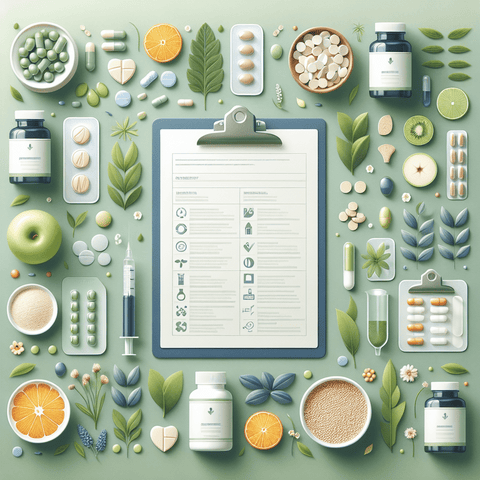
When people talk about needing a “vitamin boost,” they usually mean they want more energy, sharper focus, and a better mood. A vitamin boost isn’t a single pill or a magical drink—it’s the process of giving your body the nutrients it needs to produce energy efficiently. Your cells rely on vitamins and minerals to convert food into usable fuel, and when those nutrients are missing, your energy production slows down. This guide explores the broad topic of vitamin boosts, covering the essential nutrients, their roles, and practical considerations for incorporating them into a healthy lifestyle.
A sudden energy crash is rarely just a vitamin problem. Dehydration, poor sleep, stress, and irregular meals all play significant roles. Understanding what a vitamin boost can and cannot do helps you make better decisions about your daily habits, your diet, and whether a supplement makes sense for your unique situation.
What Does “Vitamin Boost” Really Mean?
A vitamin boost isn’t about feeling an instant jolt like caffeine. Instead, it refers to supporting your body’s long-term energy systems through adequate intake of micronutrients that help convert carbohydrates, fats, and proteins into cellular energy. B-vitamins, iron, magnesium, and vitamin D are among the nutrients most frequently linked to energy and vitality. The key is to understand that a genuine boost often comes from correcting an underlying deficiency or improving the nutrient density of your daily diet.
The concept also covers lifestyle factors that influence how well your body uses those nutrients. Regular movement, stress management, and sufficient sleep all affect your cellular energy production. Viewing a vitamin boost as a whole-picture approach—rather than a single quick fix—sets you up for more reliable and sustained results.
Why You Feel an Energy Crash
Feeling exhausted by mid-afternoon doesn’t automatically mean you have a vitamin deficiency. It often stems from a combination of factors: overnight sleep quality, blood sugar fluctuations, caffeine crashes, or even prolonged periods of sitting. A vitamin boost from a handful of supplements won’t override those underlying issues.
However, repeated energy crashes, especially when accompanied by other signs such as brittle nails, pale skin, or poor concentration, may suggest that your nutritional status isn’t optimal. It is important to recognize the difference between a one-off tired day and a persistent pattern that might indicate your body needs more support than diet alone is providing. If fatigue persists for several weeks, a blood test can provide a clearer picture of your nutritional status than self-diagnosis.
Key Nutrients for a Vitamin Boost
Energy is a biological process, not an attitude. Your body creates usable energy in the form of ATP (adenosine triphosphate), and this process depends on a steady supply of oxygen, glucose, and micronutrients. Several key vitamins and minerals play distinct roles in supporting this process.
The Role of B-Vitamins in Cellular Energy
Inside your cells, tiny structures called mitochondria act as power plants. They convert nutrients into ATP with the help of various B-vitamins, including vitamin B2, B3, B5, and B6. These vitamins work as coenzymes, meaning they help enzymes carry out chemical reactions quickly and efficiently. A shortage of these nutrients can slow energy production, leaving you feeling sluggish even if you have consumed enough calories. You can explore the individual roles and sources of B-vitamins in our guide to vitamin B benefits, sources, and safety.
Supporting Roles of Iron, Magnesium, and Vitamin D
Magnesium is equally important because it helps activate ATP, making it a key player in energy metabolism. It is involved in over 300 enzymatic reactions, including energy production and muscle function. Similarly, iron is involved in oxygen transport and energy production at the cellular level. When these micronutrients are insufficient, your cells cannot perform at their best, and feelings of fatigue may surface. Learn more about how magnesium supports energy and muscle health in our comprehensive magnesium guide.
Vitamin D deficiency has also been linked to fatigue and poor mood, though the evidence for supplementation improving energy in healthy people is mixed. Vitamin C is recognized for its role in immune function and antioxidant protection, making it another important component of a balanced approach. For those looking to cover broader nutritional gaps, multivitamin formulations offer a convenient way to combine these nutrients.
Lifestyle Factors That Influence Your Energy Reserves
Energy depletion often shows up in more ways than just feeling sleepy. Chronic stress leads your body to use more of certain nutrients, particularly magnesium and B-vitamins, which are involved in stress-hormone production and regulation. Over time, this can subtly deplete your nutrient reserves. Similarly, poor sleep affects not only your energy but also your mood and decision-making, which can lead to less nutritious food choices, creating a cycle of exhaustion.
Addressing stress and improving sleep are foundational components of a real vitamin boost. Even the best supplements will have limited effects if you are constantly running on poor sleep and high stress. A diet high in ultra-processed foods can also create rapid blood sugar spikes followed by crashes, leaving you feeling drained. Focusing on whole foods—vegetables, fruits, legumes, whole grains, lean proteins, and healthy fats—is often the most effective starting point for improving energy levels.
Nutrient Absorption and Individual Needs
As we age, stomach acid production can decline, reducing the body’s ability to absorb nutrients like vitamin B12, iron, and calcium. This means that even a healthy diet may not fully deliver the nutrients you need. Certain medications, such as proton pump inhibitors for acid reflux, metformin for diabetes, and some diuretics, are also known to affect nutrient absorption or excretion. Your genetic makeup can also affect how your body processes certain vitamins, meaning one person’s ideal supplement routine may be completely inappropriate for another.
Food First: Building a Nutrient-Dense Diet
Before adding any supplement to your routine, it’s worth examining what your diet already provides. Food contains nutrients in complex matrices, alongside fiber and other beneficial compounds that supplements cannot fully replicate. Prioritizing nutrient-dense foods is the most sustainable approach to a long-term vitamin boost.
Best Whole-Food Sources of Energy-Supporting Nutrients
B-vitamins are found widely in both plant and animal foods. For example, leafy greens, legumes, eggs, poultry, and whole grains provide various B-vitamins. Vitamin B12 is an exception—it is found naturally almost exclusively in animal products, making supplementation particularly relevant for vegans and strict vegetarians.
Iron exists in two forms: heme iron, found in animal sources such as red meat, poultry, and fish, and non-heme iron, found in plant sources like lentils, beans, and spinach. Heme iron is absorbed more efficiently by the body, while non-heme iron absorption depends heavily on other dietary factors. For example, consuming vitamin C alongside non-heme iron can enhance absorption, while tannins in tea and coffee can reduce it.
Complex carbohydrates—like oatmeal, quinoa, sweet potatoes, and brown rice—digest slowly, providing a steady release of glucose into your bloodstream. This is in stark contrast to refined sugars, which spike blood glucose and quickly lead to crashes. Meals that combine a source of complex carbohydrates with protein and a small amount of healthy fat tend to provide the most stable energy curve throughout the day.
Hydration and Caffeine as Immediate Levers
Even mild dehydration can cause fatigue, headaches, and difficulty concentrating. Before reaching for any supplement, consider what you have drunk in the past few hours. Caffeine can be a valid tool for short-term alertness, but relying on it heavily can interfere with sleep quality and create a cycle of dependency. Using caffeine strategically—early in the day and in moderate amounts—may support energy without the crash.
The Role of Supplements in Supporting Daily Energy
Once your diet and lifestyle are in reasonable shape, supplements may have a role to play. This is especially relevant for people with known deficiencies, restricted diets, or higher physiological needs.
When Is a Supplement Actually Necessary?
There is a clear difference between taking a supplement for general support and taking one because your body has a specific need that your diet cannot meet. Certain dietary patterns increase the likelihood of nutrient gaps. Vegans and vegetarians, for example, are at higher risk for vitamin B12, iron, and DHA/EPA omega-3 deficiency. Athletes, people over 50, and individuals who have had bariatric surgery also have higher or altered nutrient needs.
If you have an official diagnosis of iron-deficiency anemia, vitamin D deficiency, or pernicious anemia, your treatment plan should be guided by a healthcare professional. The doses used to treat a deficiency are often much higher than those found in general multivitamins and require monitoring to avoid adverse effects. General support supplements, on the other hand, are designed to provide a baseline level of nutrients for overall wellbeing, not to fix a severe deficiency.
Key Considerations When Choosing a Supplement
If you decide that a supplement is worth trying, the choices can feel overwhelming. Understanding a few key differences between product formulations can significantly simplify your selection. Folic acid is the synthetic form of vitamin B9 found in many supplements and fortified foods, while methylfolate is the active form that your body can use directly. Some people have genetic variations that reduce their ability to convert folic acid into methylfolate, so methylfolate may be a better choice for them.
Minerals like magnesium and iron are also available in multiple chemical forms. Magnesium oxide, for example, is inexpensive but less bioavailable than magnesium citrate, glycinate, or malate. Chelated minerals are bound to amino acids, which can help your body absorb them more effectively. Because supplements are not as strictly regulated as pharmaceutical drugs, quality also varies between brands. Third-party testing seals, such as USP, NSF, or Informed Choice, indicate that a product has been independently verified for purity and potency.
Exploring Additional Support: Herbs and Other Compounds
Adaptogenic herbs, such as ashwagandha and rhodiola, have been traditionally used to support the body’s response to stress. Some clinical trials suggest that ashwagandha may help reduce perceived stress and improve fatigue in people experiencing chronic stress, while rhodiola has been studied for its potential anti-fatigue effects. However, the quality of research is mixed, and these herbs are not substitutes for addressing the root causes of stress and fatigue. If you are interested in exploring traditional herbal approaches, you may find our guide to herbal supplements helpful.
Coenzyme Q10 (CoQ10) is another naturally occurring compound found in the mitochondria, where it helps generate ATP. As we age, CoQ10 levels decline, and some research suggests that supplementation may support energy in older adults or those taking statin medications. However, the evidence for using CoQ10 in healthy, younger individuals is limited, and its effects on energy levels are not guaranteed.
Safety, Side Effects, and Interactions
Just because a supplement is natural does not make it risk-free. Understanding the safety boundaries around key nutrients helps you avoid common pitfalls. Fat-soluble vitamins—A, D, E, and K—are stored in the body, so high doses can accumulate and become toxic. Iron is also of concern: unlike B-vitamins, which are excreted in urine, excess iron is not easily eliminated and can cause serious toxicity. If you are not anemic, taking high-dose iron on your own is not recommended.
Certain supplements can also interact with common medications. Vitamin K interacts with blood-thinning medications, iron can reduce the absorption of thyroid medications and some antibiotics, and high-dose vitamin B6 may interfere with certain Parkinson’s disease treatments. Taking excessive amounts of energy-supporting vitamins and minerals rarely leads to better energy; it can actually lead to side effects. High doses of vitamin B6, for example, can cause nerve damage, while excessive vitamin B3 (niacin) may lead to flushing and liver damage.
If you want a robust nutritional diagnosis, have a history of chronic disease, or take regular medications, professional consultation beats self-experimentation. A doctor or registered dietitian can review your blood work, interpret symptoms in view of your broader health picture, and recommend specific dietary changes or a targeted supplement that aligns with your needs.
Your Action Plan for Sustained Energy
A genuine vitamin boost is about redirecting your attention to the fundamentals: a nutrient-dense diet, proper hydration, sleep, and stress management. Once those pieces are in place, your body is better able to produce energy efficiently and maintain focus throughout the day.
Supplements serve as a bridge, not a destination. They may be useful for closing specific gaps—such as vitamin B12 deficiency in vegans or iron deficiency in those experiencing heavy menstrual periods—but they are not a substitute for a healthy lifestyle. If you are tired of feeling tired, start by looking at your plate, your sleep, and your stress levels before you look at the supplement shelf.
Making informed decisions about nutrition and supplements, based on evidence and ideally supported by testing, gives you the best chance of achieving sustained energy and improved wellbeing. Consistency wins: effective energy management comes from daily, sustainable habits—not sporadic intense efforts.
Key Takeaways
- A vitamin boost refers to supporting cellular energy production through adequate micronutrient intake, not an instant stimulant effect.
- Diet, sleep, hydration, and stress are major contributors to energy levels—nutrition cannot fix everything on its own.
- B-vitamins act as coenzymes in energy metabolism, and deficiencies are linked to tiredness and poor cognitive function.
- Iron supports oxygen transport, while vitamin D is associated with fatigue in deficiency states; both warrant testing before high-dose supplementation.
- Whole foods provide nutrients in a beneficial matrix with fiber and other bioactive compounds that isolated supplements cannot replicate.
- Vegans, older adults, athletes, and people with malabsorption issues are more likely to benefit from supplements than the average nutrient-replete person.
- Choose supplements with active nutrient forms, third-party testing, minimal additives, and an appropriate serving size that matches your actual need.
- Excessive doses, particularly of iron, vitamin A, and vitamin B6, can cause serious harm—more is not better.
- Persistent fatigue warrants medical evaluation rather than guessing with high-dose supplements.
Frequently Asked Questions
A vitamin boost is a practical term used to describe the process of replenishing or optimizing your micronutrient intake to support energy production, immune function, and overall wellbeing. It usually involves improvements in diet and may include supplementation when needed to address specific deficiencies or gaps in dietary intake.
B-vitamins, especially vitamin B12, B6, and folate, are central to energy metabolism. Iron, magnesium, and vitamin D are also frequently linked to feelings of fatigue and wellbeing. The best supplement is one that matches your specific nutritional status, which is ideally assessed through testing. While supplements like B-complex can be a good starting point for general support, they are not a substitute for a balanced diet.
Deficiencies in vitamin B12, iron, folate, and vitamin D can lead to pronounced and sometimes severe fatigue. In many cases, treating the deficiency improves energy levels significantly. However, not all fatigue is nutrient-related, so other causes such as sleep disorders, stress, or thyroid issues should be explored if symptoms persist. If you have been feeling tired for several weeks, a medical evaluation is a more reliable step than self-diagnosis.
This depends on the nutrient and the severity of your deficiency. For example, iron levels may take two to four weeks of consistent supplementation to show measurable improvement in symptoms like tiredness. For vitamin B12, noticeable changes can range from a few days to several weeks depending on the route and adequacy of treatment. Consistency is more important than intensity when evaluating the effects of any supplement.
Most natural energy boosters—such as water, balanced meals, and moderate caffeine—are safe for healthy people. Herbal supplements and high-dose vitamins are less straightforward and may interact with medications or cause side effects. The term “natural” does not automatically guarantee safety, especially at high doses. Always check the label for potential allergens and adhere to the recommended serving size.
For most people, a well-planned diet can provide adequate vitamins and minerals for everyday energy. The notable exceptions include vitamin B12 for vegans and possibly vitamin D and iron for certain high-risk groups. If you suspect a deficiency, testing is more reliable than assuming your food cannot provide enough, as over-supplementation on a guess can be risky.
There is no universal rule, but many people take B-vitamins in the morning, as these may have a mildly stimulating effect and could interfere with sleep if taken later in the day. Fat-soluble vitamins A, D, E, and K are best taken with meals that contain dietary fat to improve absorption. Follow the label instructions and adjust based on how your body responds.
Yes, although B-vitamins are water-soluble and excess amounts are usually excreted in urine, megadoses can cause side effects. High doses of vitamin B6 taken long-term can lead to nerve damage, and very high doses of niacin (B3) can cause flushing and liver toxicity. Stick to reasonable doses within supplement guidelines and avoid stacking multiple products that contain the same vitamins.
Folic acid is the synthetic form of vitamin B9 used in fortified foods and most multivitamins, while methylfolate is the active, bioavailable form your body can use directly. Some people have genetic variations that reduce their ability to convert folic acid into methylfolate, so methylfolate may be a better choice for them, especially for energy support.
If cognitive fatigue is caused by a nutrient deficiency—such as low iron, vitamin B12, or vitamin D—then correcting the deficiency may improve concentration and memory. For healthy people without a deficiency, energy supplements are unlikely to provide noticeable cognitive advantages. Sleep, hydration, and mindfulness are more proven strategies for supporting mental clarity.
No. Supplements are designed to fill gaps, not to replace the complex nutritional matrix of whole foods. Whole grains, vegetables, fruits, and lean proteins provide fiber, phytonutrients, and other health-promoting compounds that no supplement can fully replicate. A healthy diet remains the foundation of any energy plan.
If you have experienced persistent fatigue for several weeks—especially if it is accompanied by unexplained weight loss, breathlessness, palpitations, low mood, or fainting—seek medical advice promptly. Professional evaluation can rule out serious underlying conditions and guide appropriate supplementation or treatment.