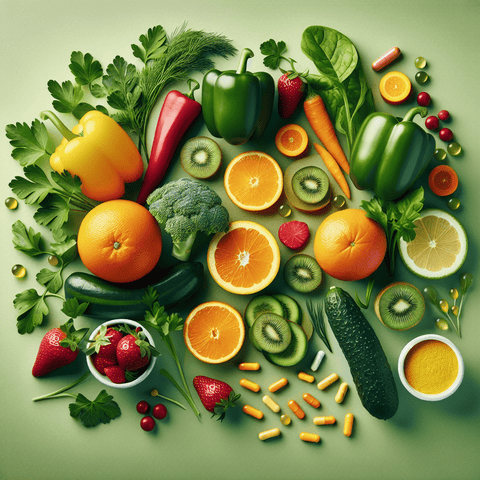
Vitamin C-rich foods are plant-based foods and drinks that provide meaningful amounts of vitamin C, a water-soluble nutrient involved in normal immune function, collagen formation, and antioxidant protection. Because the body does not store large amounts of vitamin C, it needs to be consumed regularly through the diet. This topical hub gives a broad overview of vitamin C-rich foods, including common fruits, vegetables, and herbs, and explains how they can fit into everyday meals. It is designed to help you understand the main categories, compare general options, and find practical ways to include them. More specific questions, such as which single food is highest in vitamin C or how to increase intake quickly, are covered in the individual articles associated with this tag.
What Makes a Food Rich in Vitamin C?
A food is generally considered rich in vitamin C when it provides a notable amount of the nutrient per typical serving. Vitamin C content can vary widely between foods and is influenced by factors such as ripeness, storage conditions, and preparation methods. Heat, light, and oxygen can reduce vitamin C levels over time, so raw or lightly cooked foods may retain more of the nutrient. Frozen produce can also be a practical option because it is typically processed soon after harvest. The list below highlights broad categories of vitamin C-rich foods rather than exact rankings, since specific values depend on the food, serving size, and how it is handled.
Main Categories of Vitamin C-Rich Foods
Vitamin C is found in many plant foods. The categories below are a useful starting point for building meals and snacks. Each category contains options that can be mixed and matched depending on availability, season, and personal preference.
Citrus Fruits
Oranges, grapefruits, lemons, limes, and tangerines are well-known sources of vitamin C. They can be eaten whole, sliced into salads, or squeezed for juice. Whole fruit typically provides fiber along with vitamin C, while juices may contain less fiber and can be higher in sugar depending on the product.
Berries and Other Fruits
Strawberries, kiwi, guava, papaya, mango, and cantaloupe are among the fruits that contribute vitamin C. Berries can be added to yogurt, oatmeal, or smoothies. Tropical fruits such as guava and papaya are often highlighted for their vitamin C content, though exact amounts vary by variety and ripeness.
Vegetables
Red and green bell peppers, broccoli, Brussels sprouts, tomatoes, and leafy greens such as spinach and kale can provide vitamin C. Peppers can be eaten raw in salads or lightly cooked in stir-fries. Broccoli and Brussels sprouts can be steamed, roasted, or added to soups and pasta dishes.
Herbs and Fresh Garnishes
Parsley, cilantro, and other fresh herbs can contribute vitamin C when used generously in cooking. They are often added at the end of cooking to preserve flavor and nutrient content. While herbs are typically used in smaller amounts than fruits and vegetables, they can still be part of a vitamin C-rich eating pattern.
How to Include Vitamin C-Rich Foods in Daily Meals
Incorporating vitamin C-rich foods can be simple and flexible. The ideas below are not medical recommendations but general suggestions for adding variety to meals and snacks.
- Add sliced citrus or berries to yogurt, oatmeal, or breakfast cereals.
- Stir colorful peppers into wraps, omelets, salads, or grain bowls.
- Toss broccoli or Brussels sprouts into pasta, stir-fries, or soups near the end of cooking.
- Fold chopped parsley or other fresh herbs into sauces, dressings, or cooked dishes for a fresh finish.
- Keep frozen berries or other frozen fruits on hand for smoothies or as a quick topping.
Planning ahead can make these foods easier to use. Rinsing and chopping a few items at once and storing them in clear containers can help you grab them on busy days. Practical swaps, such as choosing fruit instead of a processed snack or adding peppers to a side dish, can also increase variety without major changes.
Factors That Affect Vitamin C Content
The amount of vitamin C in a food can vary depending on several factors. Ripeness, storage time, temperature, and exposure to light and oxygen can all play a role. Cooking methods also matter: boiling or prolonged heating can reduce vitamin C levels, while steaming or quick cooking may help preserve more. Frozen produce is often blanched before freezing, which can affect final vitamin C content, but it remains a convenient option. Because of this variability, focusing on a variety of vitamin C-rich foods rather than a single source is a practical approach.
Vitamin C Supplements and Related Products
Some people may consider vitamin C supplements if they are unable to meet their needs through food alone. Supplements are available in many forms, including tablets, capsules, powders, and effervescent drinks. If you are considering a supplement, it is important to check the label, follow the manufacturer's instructions, and speak with a healthcare professional if you have questions or take medications. Vitamin C supplements are not a substitute for a varied diet. For those interested in exploring related products, the Topvitamine collection on vitamin C benefits, immunity, antioxidant and energy provides an overview of options. More general information on nutrient categories can be found in the natural supplements collection.
Practical Considerations and Safety
Vitamin C is an essential nutrient, but more is not always better. Very high intakes from supplements can cause digestive discomfort in some people. Food sources are generally well tolerated and provide additional nutrients and fiber. If you have a medical condition, are pregnant or breastfeeding, or are taking medication, it is advisable to consult a healthcare professional before significantly changing your diet or starting a supplement. The information on this page is educational and not intended as personalized medical advice.
Exploring Vitamin C-Rich Foods Further
This tag page is a starting point for understanding vitamin C-rich foods as a broad category. The individual articles associated with this tag go deeper into specific foods, comparisons, and common questions, such as which food is highest in vitamin C or how to increase intake quickly. For readers interested in related nutrient topics, the superfoods guide explores nutrient-dense foods and EFSA-approved claims, while the antioxidants collection provides broader context on antioxidant nutrients. By combining this overview with the more specific blog articles, you can build a practical understanding of how vitamin C-rich foods fit into everyday eating.