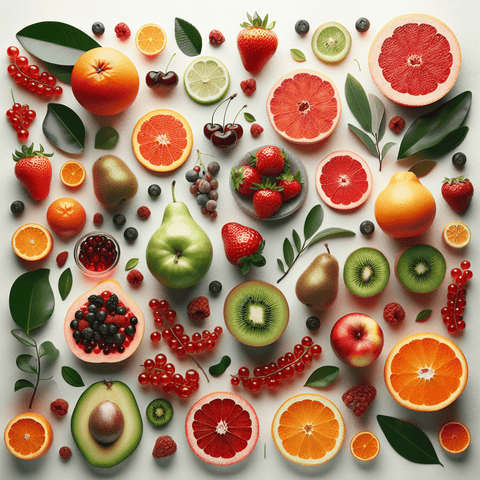
Vitamin C-rich fruit includes many familiar and less common options that can fit into daily meals. This page provides a broad overview of what makes a fruit vitamin C-rich, which fruits are often discussed in this category, and how to include them in practical ways. It is a topical hub rather than a single-question article, so you can use it to understand the wider landscape and then explore more specific posts linked on this page.
What Makes a Fruit Vitamin C-Rich?
There is no single official threshold that defines a vitamin C-rich fruit, but the term generally refers to fruits that provide a meaningful amount of vitamin C in a normal serving. Some fruits stand out because they deliver a high percentage of the daily recommended intake in a small portion, while others contribute more modestly but still add to overall intake.
The amount of vitamin C can vary with variety, ripeness, growing conditions, storage, and preparation. For this reason, it is more useful to think of vitamin C-rich fruit as a category of foods that can help support general dietary needs rather than as a fixed ranking. Common examples that are frequently mentioned include guava, kiwi, oranges, strawberries, papaya, and blackcurrants. More specialized fruits such as acerola cherry and camu camu are also often discussed for their vitamin C content.
Common Vitamin C-Rich Fruits at a Glance
The fruits below are often included in discussions about vitamin C-rich fruit. The list is not exhaustive, and exact vitamin C amounts can differ by source and serving size. For precise figures, refer to authoritative food composition databases such as those from the USDA or NIH.
- Guava – frequently noted as a high-vitamin C fruit, often eaten fresh or in juices and salsas.
- Kiwi – easy to slice into yogurt, cereal, or fruit salads.
- Oranges and other citrus – a familiar choice, often eaten whole or juiced.
- Strawberries – commonly added to smoothies, breakfast bowls, and desserts.
- Papaya – a tropical fruit that can be blended into smoothies or served fresh.
- Blackcurrants – often used in jams, juices, and desserts.
- Acerola cherry and camu camu – specialty fruits sometimes highlighted for their vitamin C content.
Why Vitamin C and Fruit Sources Matter
Vitamin C is a water-soluble nutrient that the body cannot store in large amounts, so regular intake through foods and drinks is important. It plays a role in normal collagen formation, antioxidant protection, and immune function. Fruits are a practical source because they can be eaten fresh, added to meals, or blended into drinks, and they also provide fiber, water, and other nutrients.
For those exploring complementary options, Topvitamine offers a vitamin C supplement category and an antioxidant supplement category. These categories are provided for navigation and do not imply that supplements are necessary or that they can replace a varied diet.
How to Include Vitamin C-Rich Fruit in Daily Meals
Adding vitamin C-rich fruit to daily meals can be simple and enjoyable. Here are a few practical ideas that require minimal preparation:
- Slice kiwi over yogurt, oatmeal, or cereal for a fresh, tangy addition.
- Fold strawberry halves into a morning smoothie or blend them with yogurt.
- Segment orange pieces into salads, grain bowls, or salsas.
- Dice guava into fresh fruit bowls or blend it into juices and smoothies.
- Blend papaya into tropical smoothies or layer it in a fruit-and-yogurt parfait.
You can also mix a small selection of these fruits into a colorful fruit bowl for a refreshing snack. When planning meals, consider keeping a few options on hand so you can easily add a vitamin C-rich fruit to breakfast, lunch, or a snack.
Practical Considerations for Selecting and Storing
When selecting vitamin C-rich fruit, look for bright color, a fresh aroma, and firmness appropriate to the type. Wash the fruit before using it. Cut pieces can be refrigerated to help retain quality, though vitamin C content can decrease over time and with exposure to heat, light, and air. Cooking and long storage may reduce vitamin C levels in fruit, so fresh or minimally processed options often retain more.
Some people wonder what blocks vitamin C absorption. Factors such as smoking, certain medical conditions, and interactions with some medications can affect vitamin C status, but these are best discussed with a healthcare professional. For general dietary purposes, eating a variety of fruits and vegetables is a practical approach.
Exploring Vitamin C Further
This tag page provides a broad overview of vitamin C-rich fruit. For more specific topics, such as detailed comparisons of vitamin C content, recipes, or answers to common questions about daily intake, explore the individual blog posts listed on this page. You can also visit the Topvitamine vitamin C category to browse supplements, or the antioxidant supplements collection for related products. Always remember that this information is general in nature and not a substitute for personalized medical or nutritional advice.