
Welcome to a quick guide on vitamin c-rich fruits. This page highlights easy picks, simple tips, and tasty ideas for enjoying this vibrant group. We’ll explore what makes these fruits stand out, how to pick them, and ways to include them in everyday meals and snacks. Common vitamin c-rich fruits include oranges, strawberries, kiwifruit, guava, mango, papaya, pineapple, and cantaloupe. Each offers a distinct texture and flavor—from bright citrus to lush tropical notes—so you can mix and match across seasons. When you’re shopping, look for fruit that feels heavy for its size and has a fragrant, fresh scent. Simple tips for handling: rinse gently under cold water; store berries in the fridge to maintain freshness; keep citrus at room temperature if you’re not planning to use them right away; cut fruit just before serving to enjoy peak flavor; store cut pieces in an airtight container in the fridge to keep them ready to enjoy. Tasty ideas: toss orange segments into a yogurt bowl with a drizzle of honey; blend kiwifruit and mango into a smoothie; mix pineapple chunks into a fruit salad with a squeeze of lime; create a colorful snack by pairing slices with a dip or by layering in a parfait. These ideas highlight how versatile vitamin c-rich fruits can be throughout the day.
Top Vitamin C-Rich Fruits for a Stronger Immune System
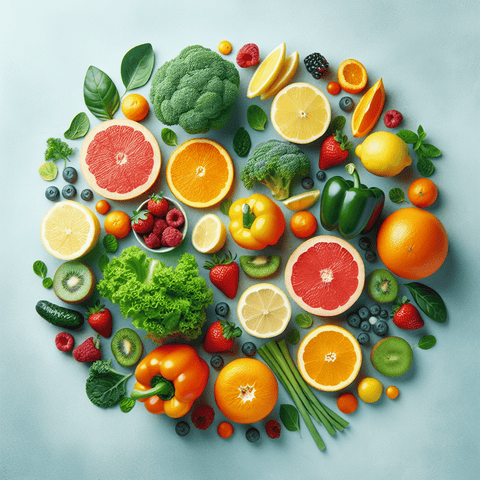
Why Vitamin C Matters for Your HealthVitamin C, also known as ascorbic acid, is an essential nutrient that your body cannot produce or store on its own. It supports collagen synthesis for healthy skin and wound healing, enhances iron absorption from plant foods, and provides antioxidant protection against oxidative stress. Vitamin C also plays a key role in immune function, helping your body defend against infections and recover more effectively. Because your body cannot make it, you need to get vitamin C every day from food or supplements, such as those available from Topvitamine's vitamin C collection.Best Foods High in Vitamin CMany fruits and vegetables are excellent sources of vitamin C, often providing more than the daily recommendation in a single serving. Citrus fruits like oranges and grapefruit are well-known, but they are not the only option. Red and yellow bell peppers contain more vitamin C than oranges, with about 95 mg per half-cup. Kiwi, strawberries, papaya, broccoli, Brussels sprouts, and kale are also packed with this nutrient. For even more concentrated sources, consider guava, acerola cherries, camu camu, and rose hips, which offer extremely high levels of vitamin C along with beneficial bioflavonoids and enzymes.How to Get More Vitamin C From Your DietTo maximize vitamin C intake, eat fruits and vegetables raw or lightly cooked. Steaming and roasting are better than boiling, which can leach vitamin C into water. Add red bell pepper strips to salads, enjoy a kiwi with breakfast, snack on strawberries, or blend a smoothie with spinach and citrus fruits. Pair these foods with a quality vitamin C supplement from Topvitamine to fill any gaps, especially if you follow a restrictive diet or have limited access to fresh produce. Aim for a variety of colorful fruits and vegetables throughout the day to keep your vitamin C levels optimal.