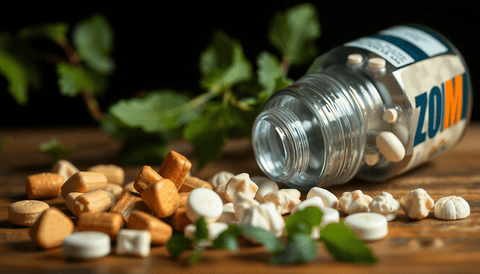
Vitamin C and zinc are two nutrients frequently linked to immune health. They are often found together in supplements, yet they play distinct roles in the body. This page provides a balanced comparison of vitamin C vs zinc, explaining how each nutrient works, where to find them, and what to consider before taking supplements.
The comparison isn't about declaring a single winner. Instead, it's about understanding the different ways these nutrients contribute to overall health and how they fit into a well-rounded approach to nutrition.
What Are Vitamin C and Zinc?
Vitamin C, also known as ascorbic acid, is a water-soluble vitamin and a powerful antioxidant. It helps protect cells from oxidative stress and contributes to the normal function of the immune system. It also plays a role in collagen production, which is important for skin, blood vessels, and bones.
Zinc is an essential trace mineral, meaning the body needs it in small amounts but cannot produce it on its own. It is a component of over 300 enzymes and is involved in a wide range of biological processes, including cell growth, wound healing, and immune system support. Zinc also has antioxidant properties and supports normal immune cell function.
Key Differences Between Vitamin C and Zinc
While both are essential for health, their differences are important for practical nutrition:
- Solubility: Vitamin C is water-soluble; zinc is a mineral.
- Primary Role: Vitamin C is a direct antioxidant and supports cellular protection. Zinc is a cofactor for numerous enzymes and is vital for cell division and immune signaling.
- Storage: Vitamin C is not stored in significant amounts and requires regular intake. Zinc is stored in the body but its stores can be depleted by stress, illness, or poor diet.
- Dietary Sources: Vitamin C is abundant in fruits and vegetables. Zinc is primarily found in animal products and some plant foods like legumes and seeds.
Vitamin C vs Zinc: Which One Supports Immunity More?
This is a common question, but the answer isn't straightforward. Both nutrients are crucial and support immunity through different mechanisms. Vitamin C helps maintain the body's antioxidant defense and supports various cellular functions of the immune system. Zinc is essential for the development and function of immune cells, including neutrophils and natural killer cells.
Instead of trying to determine a single 'better' nutrient, it's more useful to view them as complementary components of a healthy immune response. A deficiency in either can impair immune function, so ensuring adequate intake of both is important.
For those interested in a broader understanding of antioxidants and cell protection, our page on antioxidants and how they protect your body provides additional context.
Key Differences in How They Work
While both are essential for health, their differences are significant:
- Solubility: Vitamin C is water-soluble, while zinc is a mineral.
- Primary Role: Vitamin C acts as a direct antioxidant, whereas zinc is a structural component of many proteins and a cofactor for over 300 enzymes.
- Storage: Vitamin C is not stored in large amounts and needs regular replenishment. Zinc is stored in the body, but its stores can be depleted by stress, illness, or poor diet.
- Dietary Sources: Vitamin C is abundant in fruits and vegetables. Zinc is primarily found in animal products, with some plant sources like legumes and seeds.
Dietary Sources of Vitamin C and Zinc
A balanced diet is the best way to obtain these nutrients. Here are some common sources:
Foods Rich in Vitamin C
- Citrus fruits (oranges, grapefruits)
- Berries (strawberries, blueberries)
- Bell peppers
- Broccoli and Brussels sprouts
Foods Rich in Zinc
- Oysters and other shellfish
- Beef, pork, and poultry
- Legumes (chickpeas, lentils, beans)
- Nuts and seeds (pumpkin seeds, cashews)
For a deeper understanding of these nutrients, you can explore our resources on vitamin C and its benefits and general mineral supplements guide.
Supplementation: Dosage, Timing, and Considerations
While diet is the primary source, supplements can help fill gaps. When considering vitamin C and zinc supplements, here are important points to keep in mind:
Dosage and Timing
There is no one-size-fits-all dosage. Official guidelines provide recommended dietary allowances (RDAs) for healthy individuals, which can serve as a general reference. It is always best to consult with a healthcare professional for personalized advice. As for timing, taking supplements with food is often recommended to minimize potential stomach upset, but specific guidance can vary by product and individual.
Potential Side Effects and Interactions
High doses of vitamin C can cause digestive issues like diarrhea. Zinc supplements can cause nausea, and excessive intake over time can interfere with the absorption of other minerals like copper. Both nutrients can interact with certain medications, so it is crucial to discuss supplementation with a doctor or pharmacist, especially if you have underlying health conditions or take prescription drugs.
Can You Take Them Together?
Yes, vitamin C and zinc are commonly combined in supplements, and there is no known negative interaction between the two at standard doses. This combination is popular because they support different aspects of immune function. However, the key is to ensure total intake from all sources (diet plus supplements) stays within safe upper limits.
The Bottom Line on Vitamin C vs Zinc
The vitamin C vs zinc comparison isn't about finding a winner; it's about recognizing their distinct and complementary roles in supporting a healthy immune system. Both are essential nutrients that work best as part of a balanced diet and healthy lifestyle.
Focus on getting these nutrients from food first. If you consider supplementation, do so based on your personal needs, follow official guidelines, and always consult a healthcare professional for advice tailored to your individual health situation.