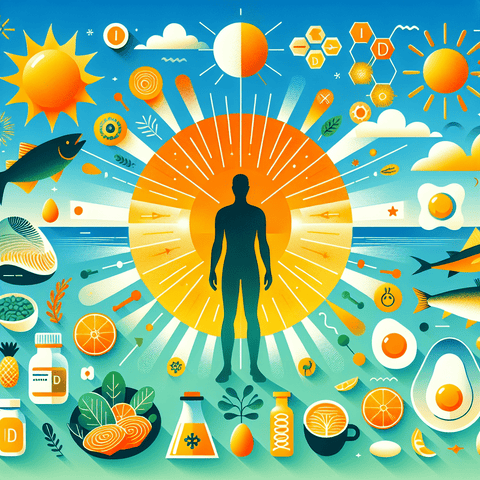
Vitamin D absorption is a crucial aspect of maintaining strong bones, a healthy immune system, and overall well-being. This guide provides a comprehensive overview of how vitamin D absorption works, the key factors that can help or hinder it, and practical steps you can take to support healthy vitamin D levels. We will cover the biological mechanisms, dietary strategies, the role of supplements, and common questions about maximizing the benefits of this essential nutrient.
What Is Vitamin D Absorption and Why Does It Matter?
Vitamin D is unique because it can be produced in the skin after exposure to sunlight, but it can also be obtained from certain foods and supplements. Regardless of the source, the body must absorb it into the bloodstream before it can be used. This process is particularly important because vitamin D is a fat-soluble vitamin, meaning it requires dietary fat for optimal absorption in the small intestine.
Once absorbed, vitamin D travels to the liver, where it is converted into 25-hydroxyvitamin D, the primary form measured in blood tests. It then goes to the kidneys to be converted into its active form, calcitriol. This active form is essential for regulating calcium and phosphate levels in the body, which are critical for building and maintaining strong, healthy bones. Beyond bone health, vitamin D is also involved in supporting muscle function and a healthy immune system.
Key Factors That Influence Vitamin D Absorption
Several factors can either enhance or impede how well your body absorbs vitamin D. Understanding these can help you make more informed decisions about your diet and supplement routine.
Dietary Fat and Meals
As a fat-soluble vitamin, vitamin D is best absorbed when consumed with a meal that contains healthy fats. Bile salts, which are released during digestion to help break down fats, are necessary for the absorption of vitamin D in the intestines. Taking your supplement with a meal that includes foods like avocado, nuts, seeds, or olive oil can significantly improve its absorption.
Individual Variability: Age, Body Composition, and Genetics
Absorption and metabolism of vitamin D are not the same for everyone. As we age, our skin becomes less efficient at synthesizing vitamin D from sunlight, and our kidneys may become less efficient at converting it to its active form. Higher levels of body fat can also sequester vitamin D, making it less available for use. Additionally, genetic variations can influence how effectively the body absorbs and processes vitamin D.
Gastrointestinal Health
Conditions that affect the gastrointestinal tract, particularly those that impair fat absorption, can significantly impact vitamin D absorption. Celiac disease, Crohn's disease, and other malabsorptive syndromes can all reduce the body's ability to absorb this nutrient effectively. Individuals with these conditions may require more careful management of their vitamin D status, often under the guidance of a healthcare professional.
Vitamin D2 vs. D3
Vitamin D supplements come in two main forms: D2 (ergocalciferol) and D3 (cholecalciferol). Research indicates that vitamin D3 is significantly more effective at raising and maintaining serum 25(OH)D levels in the body compared to D2. When choosing a supplement, vitamin D3 is generally considered the preferred form for its superior absorption and efficacy.
Food and Sun: Natural Sources of Vitamin D
While supplements are a reliable way to ensure adequate intake, vitamin D can also be obtained from sunlight and diet. Sun exposure triggers vitamin D synthesis in the skin, but the amount produced depends on factors like latitude, season, time of day, skin tone, and sunscreen use. Dietary sources include fatty fish (like salmon, mackerel, and sardines), egg yolks, and fortified foods such as milk and some cereals.
For many people, especially those living in climates with limited sun, following a vegan diet, or having darker skin, getting enough vitamin D from sun and food alone can be challenging. In these cases, supplements become a vital tool for maintaining healthy blood levels.
The Role of Supplements and Key Co-Factors
Supplements can play a key role in supporting healthy vitamin D levels, particularly for individuals at risk of deficiency. When choosing a supplement, it's essential to consider not only the dose but also how it may interact with other nutrients.
Forms of Vitamin D Supplements
Vitamin D3 supplements are available in various formats, including oil-based drops, softgels, and tablets. Oil-based delivery formats are often associated with better bioavailability. For individuals with digestive concerns, emulsified or micellar forms may be easier to absorb. Ultimately, the best form is one that fits your lifestyle and absorption needs.
Magnesium and Vitamin K2
Several nutrients work synergistically with vitamin D. Magnesium is a co-factor in the activation of vitamin D, meaning the body needs magnesium to use vitamin D effectively. Vitamin K2 helps direct calcium, which is influenced by vitamin D, to the bones and teeth where it is needed, rather than allowing it to accumulate in soft tissues. Many people choose to pair their vitamin D supplement with these nutrients for a more comprehensive approach to bone health.
For those interested in a combined approach, exploring multivitamin options or magnesium supplements can be a practical way to address multiple nutritional needs.
Practical Strategies to Maximize Absorption
You can take several practical steps to ensure you get the most benefit from your vitamin D supplement.
- Take vitamin D with the largest meal of the day that contains healthy fats.
- Check if your supplement is in the D3 form for better absorption.
- Consider splitting your daily dose into two smaller doses taken with meals, which may improve absorption for some people.
- Maintain adequate magnesium intake through diet or supplements, as it's needed for vitamin D to work effectively.
Recognizing Deficiency and When to Get Tested
Identifying low vitamin D status can be challenging because symptoms can be vague and often overlap with other conditions. Common signs may include fatigue, muscle weakness, and bone or joint pain. However, relying solely on symptoms is not a reliable way to diagnose a deficiency.
A blood test that measures serum 25-hydroxyvitamin D is the standard method for assessing your vitamin D status. If you are concerned about your vitamin D levels, or if you have risk factors like limited sun exposure, digestive disorders, or are over the age of 65, it is prudent to discuss testing with a healthcare professional. They can help you interpret your results and determine if supplementation is appropriate for you.
A Safe and Informed Approach to Supplementation
Vitamin D is generally considered safe when taken at recommended doses, but it is possible to take too much, which can lead to toxicity. Because it is a fat-soluble vitamin, excess amounts are stored in the body rather than excreted in urine. High levels can cause a build-up of calcium in the blood (hypercalcemia), which can lead to nausea, weakness, and kidney problems.
To use supplements safely, it is important to choose high-quality products from reputable brands that offer transparent labels. Look for a clear dosage and, ideally, evidence of third-party testing. Always follow the recommended dosage on the product label and discuss any supplementation plan with your doctor, especially if you have pre-existing health conditions or are taking other medications.
You can explore a range of quality vitamin D supplements at Topvitamine to find products that fit your needs.
Common Questions About Vitamin D Absorption
What helps the body absorb vitamin D?
Taking vitamin D with a meal that contains fat is the most effective way to enhance its absorption. Healthy fats like avocado, olive oil, nuts, and fatty fish stimulate the release of bile, which is essential for absorbing this fat-soluble vitamin.
Are there supplements that don't mix well with vitamin D?
Certain medications can interfere with vitamin D metabolism, but the issue is often with drugs rather than other supplements. For supplements, the key concern is high-dose calcium, as both calcium and vitamin D affect blood calcium levels. Taking them together in high doses should be done under medical guidance to avoid hypercalcemia. Always inform your doctor about all supplements and medications you are taking.
Do I need vitamin K to absorb vitamin D?
No, you do not need vitamin K to absorb vitamin D. However, these two vitamins work together. While vitamin D helps increase calcium absorption, vitamin K2 helps direct that calcium to the bones where it's needed. Although not necessary for absorption, vitamin K2 is often taken alongside vitamin D for its complementary role in bone health.
What are common mistakes people make when taking vitamin D?
Two common mistakes are taking vitamin D without any food or fat, which limits absorption, and not re-testing blood levels after a few months of supplementation to ensure the dose is appropriate. Another mistake is choosing a low-quality or incorrect form (D2 instead of D3), which may be less effective.
Key Takeaways
- Vitamin D is a fat-soluble vitamin critical for calcium absorption and bone health.
- Absorption is significantly enhanced when taken with meals containing healthy fats.
- Vitamin D3 is generally more effective than D2 at raising blood levels.
- Individual factors like age, genetics, and gastrointestinal health influence absorption.
- Regular testing of serum 25(OH)D is important to assess your status and guide supplementation.
- Pairing vitamin D with magnesium and vitamin K2 can support overall bone health.