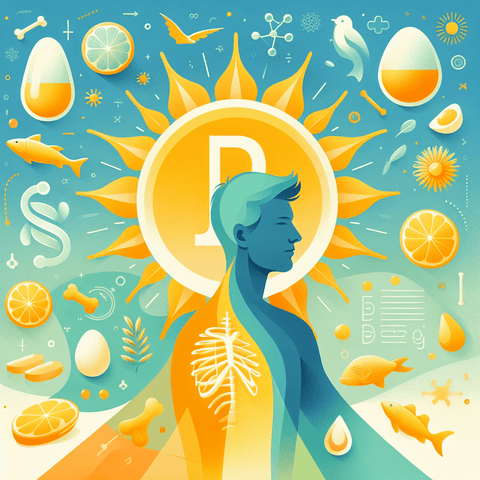
Vitamin D is one of the most important nutrients for overall health, yet it's estimated that a significant portion of the population has suboptimal levels. This guide provides a comprehensive overview of vitamin D, exploring its science-backed benefits, how it functions in the body, the signs of deficiency, and the most effective ways to maintain healthy levels. Whether you're looking to strengthen your bones, support your immune system, or improve your mood, understanding the full scope of vitamin D benefits is the first step toward better well-being.
What Is Vitamin D and Why Is It So Important?
Vitamin D is a fat-soluble vitamin that your body produces when your skin is exposed to ultraviolet B (UVB) rays from the sun. It can also be obtained from certain foods and supplements. Once in your body, it undergoes activation in the liver and kidneys to become calcitriol, the active form that interacts with cells throughout your body. This activation is essential for vitamin D to exert its effects on bones, immune cells, and even brain tissue.
Because it influences so many different systems, maintaining adequate vitamin D is crucial for a wide range of bodily functions. Its role is often compared to that of a hormone, as it helps regulate gene expression in various tissues. This is why the benefits of vitamin D are so far-reaching, impacting not only skeletal health but also immune defense, muscle performance, and even mental well-being.
Vitamin D2 vs. D3: What's the Difference?
There are two main forms of vitamin D: D2 (ergocalciferol) and D3 (cholecalciferol). While both can help raise your vitamin D levels, vitamin D3 is generally considered more effective because it is better absorbed and utilized by the body. When choosing a supplement, you'll often see D3 (often from lanolin or lichen) recommended for optimal results.
The Vitamin D–Calcium Axis
Vitamin D and calcium work together as a team. Calcium is the building block of your bones, but without vitamin D, your body cannot absorb calcium from food effectively. This synergy is why vitamin D deficiency can lead to weakened bones and increased fracture risk, especially in older adults.
The Major Roles of Vitamin D in the Body
Vitamin D's influence on the body is broad and multifaceted. The following are the key areas where adequate levels are known to have a significant impact, offering a clear picture of its many benefits.
1. Builds and Maintains Strong Bones and Teeth
The most well-established benefit of vitamin D is its role in calcium absorption in the gut, which is essential for bone mineralization. Adequate vitamin D levels are associated with a lower risk of osteoporosis and fractures, particularly in postmenopausal women and older adults. It is a fundamental nutrient for maintaining skeletal integrity throughout life.
2. Modulates the Immune System
Vitamin D plays a key role in modulating the immune system. It helps your body fight off pathogens effectively while preventing overactive immune responses that can cause inflammation. Research suggests that adequate vitamin D levels are linked to a lower incidence of respiratory infections and a healthier, more balanced immune response.
3. Supports Muscle Function and Strength
Vitamin D is vital for muscle contraction and strength. Deficiency can lead to muscle weakness, pain, and an increased risk of falls, especially in elderly individuals. Ensuring adequate vitamin D levels helps preserve mobility, balance, and independence.
4. Contributes to a Healthy Mood and Mental Well-Being
Vitamin D influences the production of serotonin, a neurotransmitter that regulates mood. Low vitamin D levels have been associated with a higher risk of depression and seasonal affective disorder. While more research is needed, maintaining adequate vitamin D may help stabilize mood, especially during the darker winter months.
5. Helps Regulate Key Minerals
Beyond calcium, vitamin D helps maintain healthy blood levels of phosphorus, another mineral critical for many bodily functions, including nerve transmission and cell signaling. This regulatory function is essential for overall cellular health.
6. Supports Cardiovascular Health
Emerging research indicates that vitamin D may help regulate blood pressure and support endothelial function, which is important for heart health. While observational studies have linked higher levels to a reduced risk of cardiovascular disease, causality has not been confirmed. Maintaining adequate levels is considered a potential preventive measure, though it should be part of a heart-healthy lifestyle.
Signs and Symptoms of Vitamin D Deficiency
Many people with vitamin D deficiency are asymptomatic, but common signs can include:
- Persistent fatigue and tiredness
- Frequent bone pain or muscle weakness
- Low mood or depression
- Hair loss
- Impaired wound healing
- Getting sick more often than usual
If you experience any of these symptoms, it's important to talk to your healthcare provider and consider a vitamin D blood test (25(OH)D test) to assess your levels.
Practical Ways to Maintain Healthy Vitamin D Levels
Maintaining adequate vitamin D involves a multi-faceted approach. The body can produce it from sun exposure, but this isn't always reliable or safe. A diet rich in vitamin D foods and, when necessary, supplementation, are crucial steps to ensure you meet your needs.
Top Food Sources of Vitamin D
You can increase your vitamin D intake through diet, though it's often hard to get enough from food alone. Good sources include:
- Fatty fish (e.g., salmon, mackerel, sardines)
- Beef liver
- Egg yolks
- Fortified dairy products and cereals
- Mushrooms exposed to UV light
The Role of Sunlight
Sensible sun exposure can help your body produce vitamin D. The amount of time needed varies based on skin tone, location, and time of day, but a general guideline is about 10-30 minutes several times a week. However, it's important to balance this with the risk of skin damage from overexposure.
How to Choose a Vitamin D Supplement
When selecting a vitamin D supplement, consider the following:
- Form: Vitamin D3 (cholecalciferol) is generally preferred over D2 for better absorption.
- Dosage: Common maintenance doses range from 1000 to 2000 IU daily, but your needs may vary based on your blood levels.
- Format: Softgels, liquid drops, and capsules are options; some people absorb liquid drops more efficiently.
For a wide selection of high-quality options, you can explore our vitamin D collection. You may also want to explore multivitamin options that often include vitamin D3 as part of a broader nutritional formula.
Who Is Most at Risk for Vitamin D Deficiency?
Certain groups are at higher risk of vitamin D deficiency and may benefit from supplementation:
- People with limited sun exposure (e.g., indoor workers, northern latitudes, winter months)
- Older adults with reduced skin synthesis
- Individuals with darker skin pigmentation
- People with digestive disorders that affect fat absorption (e.g., Crohn's disease)
- Pregnant and breastfeeding women (under medical guidance)
- Those living with obesity, as vitamin D is stored in fat tissue
Complementary Nutrients and Safety Considerations
Vitamin D works best when you also have adequate levels of other essential nutrients. For example, calcium and magnesium are crucial for bone health, and vitamin K helps direct calcium to your bones. For more on these synergistic nutrients, you can explore our calcium collection or magnesium collection for supplements that support muscle and bone function.
How Much Vitamin D Do You Need?
The recommended dietary allowance (RDA) for vitamin D is 600 IU (15 mcg) for adults up to age 70, and 800 IU (20 mcg) for adults over 70. However, many experts suggest that higher daily intakes (1000-4000 IU) may be needed for optimal health, especially for those with limited sun exposure. The best ways to get more vitamin D are through sensible sunlight exposure, a diet rich in vitamin D foods, and supplementation when necessary.
While vitamin D is generally safe when taken in recommended doses, excessive intake can lead to toxicity, which causes nausea, weakness, and kidney stones. The upper limit for adults is 4000 IU per day, but your healthcare provider may recommend higher doses for a short period if you are deficient. Be aware that vitamin D can interact with certain medications, such as diltiazem (used for heart conditions) and some diuretics, so always discuss supplementation with your doctor if you are on medication.
Frequently Asked Questions
What are signs that you need vitamin D?
Common signs include fatigue, muscle pain or weakness, frequent illnesses, bone aches, low mood, and hair loss. However, many people have no symptoms at all, so a blood test is the most reliable way to know if you are deficient.
What are the 5 major functions of vitamin D?
The five major functions are: supporting calcium absorption for bone health, modulating the immune system, aiding muscle contraction, regulating blood calcium and phosphorus levels, and supporting brain and mood health.
Can vitamin D be taken with diltiazem?
There is a potential interaction between vitamin D and diltiazem, a calcium channel blocker. This may result in elevated calcium levels, so use with caution and only under medical supervision.
Does vitamin D give you energy?
By improving overall health and reducing deficiency symptoms like fatigue, vitamin D can help you feel more energetic, but it doesn't provide a direct energy boost like caffeine.
Exploring the Topic Further
This guide serves as a broad overview of vitamin D benefits. For more specific information on topics like detailed dosage protocols, comparisons of different supplement forms, or the role of vitamin D in specific health conditions, we invite you to explore our related blog articles.
Taking charge of your vitamin D status starts with understanding your risk factors and, ideally, getting a blood test to measure your levels. If you are deficient, your healthcare provider can recommend a repletion protocol, while maintenance strategies focus on sustaining adequate levels through diet and supplements. It is essential to avoid excessive intake, as vitamin D toxicity can cause nausea, weakness, and kidney problems. Always consult a healthcare professional for personalized advice, especially if you are pregnant, have chronic conditions, or take medications.
Ready to optimize your vitamin D levels? Explore our high-quality vitamin D supplements and take the next step toward better health today.