
This page highlights the signs and risks of vitamin d deficiencies and explores science-based ideas for approaching the topic in everyday life. The focus is on clear, evidence-informed information that can help you recognize questions to bring to a professional and to discuss next steps in a constructive way. By staying curious and informed, you can approach vitamin d deficiencies with a calm, methodical mindset. Understanding signs involves looking at patterns that may prompt questions about vitamin d deficiencies. People’s experiences can vary, and discussions often center on ongoing patterns in daily life that raise questions for you to explore with a trusted expert. The goal here is to support thoughtful conversations and to help you gather relevant context without making assumptions. Risks associated with vitamin d deficiencies are studied across scientific research, and awareness of these considerations can inform how you engage with reliable information and professionals. This content emphasizes understanding the topic, asking informed questions, and considering professional guidance as you navigate your individual situation. It’s about informed awareness rather than definitive conclusions drawn from alone for personal decision-making. Practical steps you can start today include organizing a plan to discuss concerns with a healthcare professional, compiling questions to ask, and establishing a simple record-keeping approach that captures any relevant patterns over time. Seek reputable, science-based sources to guide your reading, and consider scheduling follow-up to review findings or recommendations. Focusing on vitamin d deficiencies in this way supports collaborative planning with qualified professionals and a thoughtful, proactive approach to your health journey.
Vitamin D Deficiency: Signs, Risks, and Simple Ways to Boost Your Levels
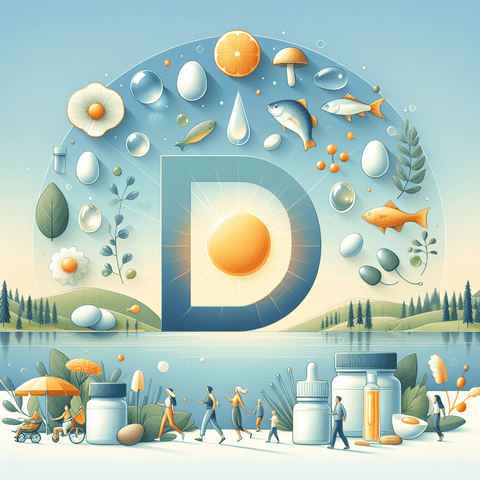
Choosing the best vitamin D supplements requires understanding vitamin D forms, sources, dosage, quality, and individual health needs. Vitamin D3 is generally more effective than D2 for correcting vitamin D deficiencies, while vegan vitamin D products made from lichen offer plant-based options. The best vitamin D sources include sunlight, fatty fish, egg yolks, UV-exposed mushrooms, and fortified foods, though supplements may be necessary for consistent intake. Improve vitamin D absorption by taking oil-based products with a meal containing healthy fats. Prioritize high-quality, third-party tested supplements and follow safe vitamin D dosage recommendations, with blood testing and medical guidance for higher doses.