
Understanding vitamin d deficiency health risks is essential for readers seeking a broader view of how body signals can reflect gaps in nutrient status. This page focuses on how a shortfall may relate to daily functioning and long-term wellbeing, emphasizing how attention to the seven warning signs can help you interpret patterns. By learning to spot these signals, you can gain a clearer sense of what your body might be trying to communicate. Here are seven warning signs you can't ignore: 1) persistent changes in energy levels, 2) unusual or lingering discomfort in bones or limbs, 3) noticeable mood shifts, 4) changes in sleep quality or duration, 5) longer recovery times after activity, 6) a higher frequency of infections or illnesses, 7) tingling or numbness in extremities. These indicators are phrased as signals to watch for and discuss, rather than as definitive diagnoses. These signals are part of the conversation around vitamin d deficiency health risks, highlighting how body communication can reflect underlying states. Because signs can overlap with other factors, keeping track of when they occur and how long they last provides context for interpretation and awareness. This awareness can be a starting point for a mindful approach to monitoring overall wellbeing and the body's responses over time, including how to protect your bones and immunity today. By focusing on the concept of vitamin d deficiency health risks and the seven warning signs, you can stay attentive to patterns and what they may suggest about your health.
Vitamin D Deficiency Health Risks: 7 Warning Signs You Can't Ignore
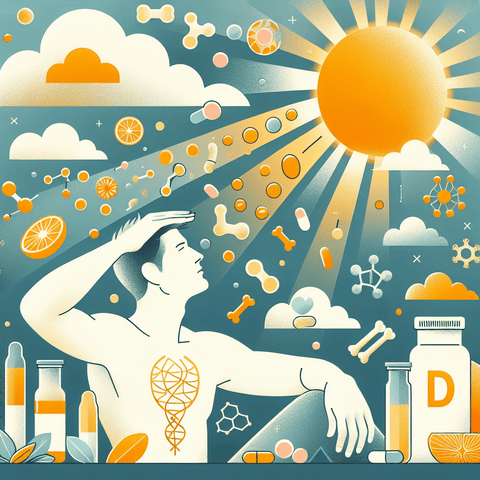
Understanding the Consequences of Vitamin D DeficiencyVitamin D deficiency can have wide-ranging effects on your health. Because this nutrient acts like a hormone and influences nearly every cell in your body, low levels can contribute to problems that go far beyond bone health. The most direct consequences include weakened bones, increased risk of fractures, and conditions like osteomalacia in adults or rickets in children. However, the impact extends to immune function, mood regulation, and even cardiovascular health. Often, the early signs are subtle—fatigue, muscle weakness, or frequent infections—which makes it easy to overlook the deficiency until more serious issues develop. Recognizing these consequences is the first step toward protecting your long-term well-being.Recognizing the Signs and Symptoms of Low Vitamin DHow do you know if you're deficient? Common symptoms include persistent tiredness, bone or joint pain, muscle aches, and a tendency to get sick often. Mood changes such as depression or anxiety can also be linked to low vitamin D, as it influences serotonin production. In older adults, cognitive issues like brain fog or memory problems may arise. If you experience several of these symptoms, especially if you have risk factors like limited sun exposure or darker skin, it's worth discussing a blood test with your healthcare provider. A simple test can measure your 25-hydroxyvitamin D levels and provide clarity.Addressing Deficiency: Practical Steps and SupplementationOnce a deficiency is confirmed, the most effective way to address it is through a combination of sensible sun exposure, vitamin D-rich foods, and quality supplements. Many people find that daily supplementation is the most reliable method, particularly during winter months or for those living in northern latitudes. When choosing a supplement, look for products that are third-party tested for purity and potency. Always consult your healthcare provider to determine the right dosage for your individual needs, as factors like age, health status, and existing medical conditions can influence how much you need. With proper management, you can restore healthy vitamin D levels and reduce the risks associated with deficiency.