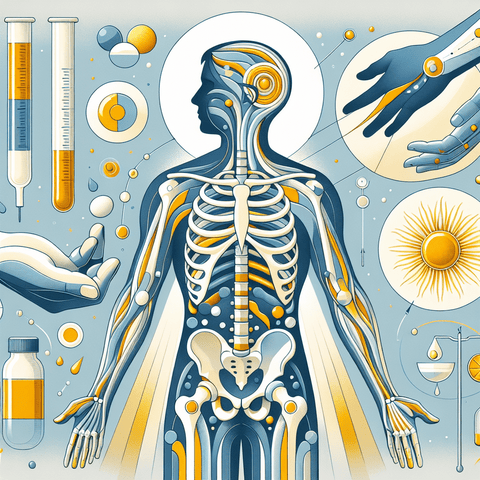
Vitamin D deficiency is one of the most common nutritional shortfalls worldwide, yet many people are unaware of their own low levels because the early signs are often vague or absent. Understanding vitamin D deficiency risks matters because this fat-soluble vitamin influences far more than bone health — it plays roles in immune function, muscle performance, mood regulation and metabolic processes. In this article, you will learn what defines vitamin D deficiency, seven potentially hidden health consequences associated with insufficient levels, who is most at risk, how your status can be assessed, and which dietary, lifestyle and supplementation strategies may help you maintain healthy levels safely.
What Is Vitamin D Deficiency and Why Does It Matter?
Vitamin D deficiency refers to a state in which the body's stores of vitamin D — measured as circulating 25-hydroxyvitamin D, or 25(OH)D — are insufficient to support its physiological functions. Vitamin D is unique among vitamins because the body can produce it in the skin when exposed to ultraviolet B (UVB) radiation from sunlight. It then undergoes activation in the liver and kidneys before exerting its effects throughout the body.
The vitamin's best-established role is calcium and phosphorus regulation: it helps the intestines absorb these minerals, supporting bone mineralization. Beyond that, vitamin D receptors are present in immune cells, muscles, the brain and many other tissues, which is why low levels have been associated with a broad range of health concerns — some well established, others still under investigation.
How Common Is Vitamin D Deficiency?
Estimates suggest that a substantial proportion of the global population has vitamin D levels below what many experts consider optimal. Prevalence varies widely by country, season and measurement standards, but low levels are common even in sunny regions, partly because of indoor lifestyles, clothing habits, sunscreen use and dietary patterns. In northern latitudes, vitamin D synthesized in the skin during summer often declines significantly during winter months.
What Level of Vitamin D Is Considered Deficient?
Most laboratories and health authorities define vitamin D status using blood levels of 25(OH)D. A widely used classification places deficiency below 30 nmol/L (12 ng/mL), insufficiency between roughly 30 and 50 nmol/L (12–20 ng/mL), and sufficiency at or above 50 nmol/L (20 ng/mL). Some professional organizations advocate for higher targets, such as 75 nmol/L (30 ng/mL) or more, particularly for bone health. These thresholds remain a topic of scientific debate, and interpretation should always involve a healthcare professional.
7 Hidden Dangers of Vitamin D Deficiency
The health consequences of low vitamin D often develop gradually and can be mistaken for unrelated issues. Below are seven areas where insufficient vitamin D has been associated with measurable health effects. Importantly, these are associations and established mechanisms in varying degrees — low vitamin D alone does not confirm any diagnosis, and a single symptom rarely indicates deficiency.
1. Increased Risk of Bone Fractures and Osteoporosis
This is the most firmly established danger. Without adequate vitamin D, the intestines absorb less calcium, prompting the body to draw calcium from bone tissue to maintain blood levels. Over time this can contribute to reduced bone mineral density, osteomalacia (softening of the bones) in adults, rickets in children, and an elevated risk of osteoporosis and fractures, particularly in older adults. Vitamin D deficiency also impairs the body's ability to respond to calcium supplementation, which is why the two nutrients are frequently discussed together — alongside related nutrients such as calcium for bone and muscle health and vitamin K.
2. Weakened Immune Function and Frequent Illness
Vitamin D supports both innate and adaptive immunity. Immune cells use vitamin D to help regulate their responses, and deficiency has been associated in research with increased susceptibility to respiratory tract infections. Large analyses suggest vitamin D supplementation may modestly reduce the risk of acute respiratory infections in people who are deficient, though evidence is mixed and effects are generally modest rather than dramatic.
3. Mood Disturbances and Depressive Symptoms
Vitamin D receptors are present in brain regions involved in mood regulation, and observational studies have repeatedly found associations between low vitamin D status and depressive symptoms. However, causal evidence remains limited: randomized trials of vitamin D supplementation for depression have shown inconsistent results. Low vitamin D may contribute to mood difficulties in some individuals, but it should never be treated as a standalone explanation or substitute for mental health care.
4. Chronic Fatigue and Low Energy
Persistent tiredness is one of the most commonly reported complaints among people with low vitamin D levels, and some studies have found that correcting deficiency may improve fatigue scores. Because fatigue has many possible causes — sleep quality, thyroid function, iron status, stress, medication side effects — it should be investigated rather than assumed to be caused by vitamin D alone.
5. Hair Thinning and Poor Skin Health
Vitamin D plays a role in the hair follicle cycle, and low levels have been observed in some conditions associated with hair thinning. Evidence in this area is emerging rather than definitive, and hair loss is multifactorial — involving genetics, hormones, stress, iron status and protein intake. While correcting a deficiency may support overall nutrient status, vitamin D is not a proven standalone remedy for hair loss.
6. Impaired Muscle Function and Falls in Older Adults
Muscle tissue contains vitamin D receptors, and adequate levels appear to support muscle strength and function. Deficiency in older adults has been associated with reduced muscle performance and an increased risk of falls — a major cause of injury and loss of independence in this age group. Supplementation combined with resistance exercise is frequently recommended as part of fall-prevention strategies for older people with low levels.
7. Potential Cardiovascular and Metabolic Concerns
Research has linked low vitamin D status with higher risks of high blood pressure, type 2 diabetes and cardiovascular events in observational studies. However, large randomized trials have largely failed to show that vitamin D supplementation prevents cardiovascular disease in the general population, suggesting that low vitamin D may be a marker of broader health and lifestyle factors rather than a direct cause. Anyone with cardiovascular or metabolic concerns should rely on medical care, with vitamin D status addressed as part of overall health assessment.
Who Is Most at Risk for Vitamin D Deficiency?
Vitamin D deficiency does not affect all groups equally. Several biological, lifestyle and environmental factors substantially influence both vitamin D production and its availability to the body.
Age-Related Risk Factors
Skin becomes less efficient at producing vitamin D with age, and older adults tend to spend more time indoors. Kidney function, which is required for the final activation step of vitamin D, also declines with age. Infants who are exclusively breastfed without supplementation are another well-recognized risk group, since breast milk contains relatively little vitamin D.
Lifestyle and Sun Exposure Habits
People who work indoors, cover much of their skin, avoid the sun or live primarily sedentary indoor lifestyles produce little vitamin D cutaneously. Office workers, shift workers and those with limited outdoor time during daylight hours are consistently overrepresented among people with low levels.
Geographic Location and Seasonal Variation
Above roughly 35–40 degrees latitude, UVB radiation is too weak for meaningful vitamin D synthesis during winter months. In such regions, levels built up over summer often decline through winter and spring unless dietary intake or supplementation compensates.
Skin Pigmentation and Sunscreen Use
Melanin absorbs UVB radiation, meaning people with darker skin need considerably more sun exposure to produce the same amount of vitamin D as those with lighter skin. Consistent and appropriate sunscreen use — which is important for skin cancer prevention — also reduces vitamin D synthesis. These factors increase the relevance of dietary sources and supplementation for many people.
Digestive Conditions Affecting Absorption
Because vitamin D is fat-soluble, conditions that impair fat absorption can cause deficiency even with adequate intake. These include celiac disease, Crohn's disease, ulcerative colitis, significant liver disease, and bariatric surgery. People with these conditions often require individually tailored supplementation guided by a physician.
Medications That Interfere with Vitamin D Metabolism
Certain medications can affect vitamin D status, including some anticonvulsants, glucocorticoids, certain antifungal agents and some HIV medications. Anticonvulsants, for example, can accelerate vitamin D breakdown. Anyone taking long-term medication should discuss their vitamin D status with their prescriber rather than self-supplementing at high doses.
How to Assess Your Vitamin D Status
Understanding the 25(OH)D Blood Test
The standard assessment is a blood test measuring serum 25-hydroxyvitamin D. This form reflects both vitamin D produced in the skin and that obtained from food and supplements, making it the most reliable indicator of overall status. Tests can be ordered by a physician and are also available through some consumer testing services, though interpretation is best done with professional guidance.
Symptoms Alone Are Not a Reliable Indicator
Fatigue, muscle aches, low mood and frequent illness are nonspecific — they can result from dozens of different causes, and many people with low vitamin D feel entirely well. For this reason, symptoms alone should never be used to conclude that you are deficient, nor should supplements be taken at corrective doses on the basis of symptoms without testing.
When to Ask Your Doctor for Testing
Testing is most useful for people in recognized risk groups: older adults, people with darker skin living at high latitudes, those with malabsorption conditions, individuals with limited sun exposure, people with unexplained bone or muscle symptoms, and those taking medications that affect vitamin D metabolism. Routine screening of everyone is not always necessary, so it is reasonable to discuss whether testing applies to you.
Dietary Strategies to Support Healthy Vitamin D Levels
Best Food Sources of Vitamin D
Naturally vitamin D-rich foods include oily fish such as salmon, mackerel, sardines and herring; egg yolks; liver; and, in some countries, wild mushrooms exposed to UV light. Many countries also fortify staple foods — including milk, plant-based milk alternatives, margarine, breakfast cereals and orange juice — which often contribute a meaningful share of dietary intake.
How Much Vitamin D Can You Get from Food Alone?
For most people, food alone provides relatively modest amounts. Typical dietary intakes in many Western countries fall below recommended levels, unless a person eats oily fish regularly or consumes generous amounts of fortified foods. This is why sunlight has historically served as the primary source for most humans — and why supplementation is commonly recommended in low-sunlight seasons.
The Role of Sunlight Exposure in Maintaining Levels
Short periods of midday sun exposure to arms, legs or face — often cited as roughly 10–30 minutes several times per week for lighter skin, longer for darker skin — can produce meaningful amounts of vitamin D during summer months. However, this must be balanced against skin cancer risk: deliberate, prolonged tanning is never recommended, and sun protection remains appropriate for extended exposure. Cloud cover, season, latitude, air pollution and skin tone all affect how much vitamin D is actually produced.
Vitamin D Supplementation: Who May Need It
When Dietary Intake and Sunlight Are Insufficient
Supplementation may reasonably be considered when sun exposure is limited, during winter months at higher latitudes, when dietary intake is low, in older age, in pregnancy (per national guidelines), in infancy, or when malabsorption or medication use compromises vitamin D status. Many national health authorities explicitly recommend routine vitamin D supplements for infants and for adults during winter months. General daily nutrition — including other key nutrients — can be supported through a balanced approach such as a well-formulated multivitamin, though this does not replace targeted vitamin D at appropriate doses when needs are higher.
Vitamin D2 vs. Vitamin D3: What's the Difference?
Supplements contain either vitamin D2 (ergocalciferol, typically from plant or fungal sources) or vitamin D3 (cholecalciferol, from animal sources or lichen). Both raise blood levels, but research generally indicates that vitamin D3 is somewhat more effective at raising and maintaining 25(OH)D over time. For most people, D3 is the pragmatic default; vegan D3 from lichen is available for those avoiding animal-derived ingredients.
Typical Supplement Dosages for Deficiency Correction
Common maintenance doses for adults range from roughly 400–2,000 IU (10–50 µg) per day, depending on national guidelines, age and baseline status. Deficiency correction is often managed with higher doses — sometimes prescribed as a loading regimen or high-dose weekly dose — under medical supervision, since appropriate dosing depends on test results and individual factors. General guidance, including EFSA-based intake recommendations, is available on our vitamin D benefits, sources and safety overview. Higher corrective doses should not be undertaken casually without professional input.
How Long Does It Take to Raise Vitamin D Levels?
Because vitamin D is stored in body fat and turns over slowly, blood levels typically rise over weeks rather than days. A meaningful improvement in 25(OH)D is usually visible after 6–8 weeks of consistent supplementation, with levels stabilizing after roughly three months. Follow-up testing is often repeated after this period when deficiency correction is involved.
How to Choose a Quality Vitamin D Supplement
Evaluating Dosage and Potency (IU per Serving)
Check the label for the dose per serving, expressed in both IU and micrograms (400 IU equals 10 µg). Choose a dose aligned with your needs — higher is not inherently better — and be careful with products combining multiple ingredients, which may contain several supplemental nutrients with overlapping purposes.
Capsules, Drops, or Softgels: Which Delivery Form Is Best?
Vitamin D is available as oil-based softgels, dry tablets, capsules and liquid drops. Absorption is generally better when the vitamin is delivered with some fat, which favors oil-based softgels and liquid formulations. Drops are practical for infants and people who have difficulty swallowing pills, while dry tablets suit those preferring no oil. No single form is universally superior; consistency of use matters more than form.
The Role of Fats and Co-Factors in Vitamin D Absorption
As a fat-soluble vitamin, vitamin D is absorbed best when taken with a meal containing dietary fat. Nutrients such as magnesium — which supports vitamin D metabolism — and vitamins A and K are frequently discussed as complementary nutrients, and combined formulations (for example, vitamin D with K2) are popular for bone support. Evidence for specific co-factor benefits is still developing, so a balanced diet remains the best foundation.
What to Look for in Third-Party Testing and Quality Labels
Because supplement regulation is lighter than that for medicines, look for products from reputable manufacturers that use third-party testing or quality certifications, list the active form and dose transparently, and disclose all ingredients including potential allergens. Reputable retailers — such as our range of natural supplements — typically provide detailed product information to help you compare options.
Vitamin D Supplement Safety and Side Effects
How Much Vitamin D Is Too Much?
The tolerable upper intake level for adults is generally set at 4,000 IU (100 µg) per day by authorities such as the U.S. Institute of Medicine and EFSA. Doses at or below this level are considered safe for most adults, but exceeding it long-term — particularly through unsupervised high-dose products — increases the risk of toxicity. More is not better: vitamin D status follows a U-shaped risk curve.
Potential Symptoms of Excessive Vitamin D Intake
Vitamin D toxicity (hypervitaminosis D) primarily causes hypercalcemia — elevated blood calcium — leading to nausea, vomiting, excessive thirst, frequent urination, constipation, confusion and, in severe or prolonged cases, kidney damage and calcification of soft tissues. Toxicity is rare from sun exposure and unlikely at recommended doses but documented with chronic very high-dose use.
Medications and Conditions That Require Caution
Caution and professional guidance are warranted for people with kidney disease, hypercalcemia, hyperparathyroidism, granulomatous diseases such as sarcoidosis, and those taking thiazide diuretics, digoxin or other medications affected by calcium levels. Pregnant and breastfeeding women should follow national guidelines and consult their healthcare provider before exceeding recommended doses.
Making an Informed Decision About Vitamin D
When Food and Lifestyle Changes May Be Enough
If you have adequate sun exposure, regularly eat oily fish and fortified foods, and have no specific risk factors, your levels may well be sufficient without supplementation. In these cases, a modest seasonal or low-dose supplement is a reasonable choice, but intensive supplementation may be unnecessary.
When Supplementation Is Reasonable
Supplementation is a sensible consideration during winter months at high latitudes, with limited sun exposure, in older age, during pregnancy and infancy (per guidelines), with low dietary intake, or when testing has confirmed insufficiency. A consistent moderate dose taken with a meal is generally the most practical approach for most people.
When to Seek Professional Guidance
Professional assessment is preferable if you have a confirmed deficiency requiring correction, a malabsorption condition or relevant medication use, symptoms suggesting bone or metabolic problems, or if you are considering doses above the standard upper level. A physician can order testing, interpret results in context and recommend an individualized regimen.
Final Takeaway: Protecting Yourself from Vitamin D Deficiency
The risks associated with vitamin D deficiency extend well beyond bone health, touching immunity, muscle function, energy and mood — though the strength of evidence varies across these areas. The most reliable protection combines realistic sun exposure during sunny months, a diet including oily fish and fortified foods, awareness of your personal risk factors, and testing when deficiency is suspected. For the many people whose sun exposure and diet fall short, a quality vitamin D3 supplement at a moderate dose — taken with food and guided by national recommendations or a healthcare professional — is a practical and generally safe way to maintain healthy levels. The key is informed, measured action rather than guessing from symptoms or defaulting to high doses.
Key Takeaways
- Vitamin D deficiency is defined by blood 25(OH)D levels, with deficiency commonly below 30 nmol/L (12 ng/mL) and insufficiency up to 50 nmol/L (20 ng/mL).
- The most established risk of deficiency is impaired bone health, contributing to reduced bone density, osteoporosis and fractures.
- Low vitamin D has also been associated with weakened immunity, fatigue, mood disturbances, reduced muscle function and falls — though evidence strength varies.
- Risk groups include older adults, people with darker skin at high latitudes, those with limited sun exposure, people with malabsorption conditions, and users of certain medications.
- Symptoms alone cannot diagnose deficiency; a 25(OH)D blood test is the reliable assessment tool.
- Dietary sources — oily fish, egg yolks, fortified foods — are valuable but rarely sufficient alone for most people.
- Vitamin D3 generally raises and maintains blood levels more effectively than vitamin D2.
- The adult tolerable upper intake level is 4,000 IU (100 µg) per day; chronic higher doses increase toxicity risk.
- Deficiency correction typically takes 6–8 weeks to show in blood tests, and should be medically supervised at corrective doses.
Frequently Asked Questions
What are the most common signs of vitamin D deficiency?
Frequently reported signs include fatigue, bone or muscle aches, and frequent illness, but many people have no noticeable symptoms at all. Because these complaints have many possible causes, blood testing is the only reliable way to confirm your status.
What level of vitamin D is considered deficient?
Most commonly, deficiency is defined as below 30 nmol/L (12 ng/mL) and insufficiency as 30–50 nmol/L (12–20 ng/mL), with 50 nmol/L (20 ng/mL) or above considered sufficient. Some experts prefer higher targets; interpretation is best discussed with a healthcare provider.
Which foods are highest in vitamin D?
Oily fish such as salmon, mackerel and sardines are the richest natural sources, followed by egg yolks, liver and UV-exposed mushrooms. Fortified milk, plant-based drinks, margarine and cereals contribute meaningful amounts in many countries.
Can you get enough vitamin D from sunlight alone?
During summer, regular short midday sun exposure can maintain levels for many lighter-skinned people. In winter at higher latitudes, UVB is too weak for skin synthesis, so food and supplementation become important.
How much vitamin D should I take daily?
General adult guidance typically falls between 400 and 2,000 IU (10–50 µg) per day, depending on national recommendations and individual risk factors. People with confirmed deficiency may need supervised higher doses, so testing and professional advice are worthwhile.
Is vitamin D3 better than vitamin D2?
Research generally shows vitamin D3 is more effective at raising and sustaining 25(OH)D levels. D2 remains a valid option, particularly for strict vegetarians, though lichen-derived vegan D3 is also available.
Should I take vitamin D with food?
Yes — taking vitamin D with a meal containing fat improves absorption, since it is fat-soluble. An oil-based softgel or liquid form taken with your largest meal is a practical choice.
How long does it take to correct a vitamin D deficiency?
Blood levels typically rise noticeably within 6–8 weeks of consistent supplementation and stabilize after about three months. Follow-up testing after this period is common practice.
Can you take too much vitamin D?
Yes. The adult upper intake level is 4,000 IU (100 µg) per day; chronic intake above this can cause vitamin D toxicity, characterized by elevated blood calcium and symptoms such as nausea, thirst, confusion and kidney problems.
Does vitamin D interact with any medications?
Vitamin D can interact with thiazide diuretics, digoxin, glucocorticoids, certain anticonvulsants and other drugs. If you take regular medication, discuss vitamin D supplementation with your doctor or pharmacist.
Who should be tested for vitamin D deficiency?
Testing is most useful for people with risk factors — older age, darker skin at high latitudes, limited sun exposure, malabsorption conditions, relevant medications, or unexplained bone and muscle symptoms. Routine testing of everyone is not always necessary.
Can low vitamin D cause hair loss?
Low vitamin D has been observed in some hair-thinning conditions, but the evidence is limited and hair loss has many causes. Correcting a deficiency may support overall nutrient status, but vitamin D is not a proven standalone treatment for hair loss.
Related Keywords
- vitamin D deficiency risks
- signs of vitamin D deficiency
- vitamin D deficiency symptoms in adults
- what causes low vitamin D
- vitamin D blood test levels explained
- foods high in vitamin D
- vitamin D3 vs D2
- how much vitamin D per day
- vitamin D and immune function
- vitamin D and bone health
- vitamin D toxicity symptoms
- best time to take vitamin D
- vitamin D deficiency treatment
- seasonal vitamin D insufficiency
- vitamin D supplements for seniors