Introduction
Vitamin D deficiency is a prevalent yet often overlooked health issue that can have significant implications for overall well-being. In this article, readers will learn about vitamin D, its crucial functions in the body, the symptoms of deficiency, and the associated health risks. We will explore why this knowledge is vital for health, how to recognize the condition through various signals, and the strategies to address it, including the role of supplements. As a trusted resource, Topvitamine.com offers a range of products for those seeking to improve their vitamin D levels effectively.
Core explanation of the topic
What vitamin D is
Vitamin D is a fat-soluble vitamin that plays a pivotal role in calcium absorption, bone health, immune function, and mood regulation. It exists in two main forms: vitamin D3 (cholecalciferol), which is synthesized by the skin in response to sunlight, and vitamin D2 (ergocalciferol), which is derived from fungi and yeast. Both forms can be converted into the active form of vitamin D, calcitriol, but D3 is generally preferred for supplementation due to its potency and effectiveness.
How the body makes vitamin D
The body produces vitamin D when ultraviolet B (UVB) rays from the sun hit the skin, triggering a series of transformations that produce vitamin D3. Factors that influence this synthesis include geographic location, season, skin pigmentation, and age, as older adults may produce less vitamin D compared to younger individuals.
Vitamin D sources
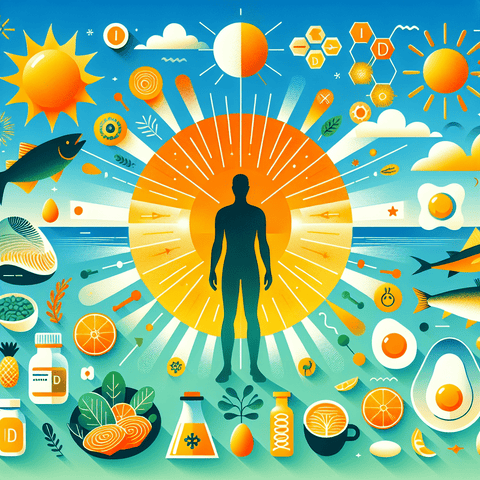
Besides sunlight, vitamin D can be obtained from dietary sources such as fatty fish (salmon, mackerel), fortified foods (milk, orange juice), and supplements. Dietary intake, however, is often insufficient for meeting individual needs, especially in those with limited sun exposure.
How deficiency is diagnosed
Vitamin D deficiency is typically assessed through a blood test measuring 25-hydroxyvitamin D (25(OH)D) levels. Common reference ranges categorize levels as deficient (30 ng/mL). A healthcare provider can interpret these results in the context of individual health and lifestyle factors.
Populations and variability
Several factors can affect vitamin D status, including age, skin color, body weight, and specific health conditions such as gastrointestinal disorders that impact nutrient absorption. Populations at higher risk for deficiency include older adults, those with darker skin, and individuals with obesity.
Why this topic matters
Health outcomes tied to adequate vitamin D
Maintaining sufficient vitamin D levels is vital for bone health, muscle function, immune support, and mental health. Adequate vitamin D helps in preventing conditions like osteoporosis, rickets, and may reduce the risk of severe illnesses.
Prevalence and risk drivers in modern living
In today’s society, many factors contribute to vitamin D deficiency, including limited sun exposure due to indoor lifestyles, geographical variations, and seasonal changes that limit UVB availability. Dietary gaps also play a critical role, as many people do not consume sufficient vitamin D-rich foods.
Public-health relevance
Public health initiatives emphasize the importance of recognizing vitamin D deficiency for its significant impact on population health. Addressing this issue can improve the well-being of various demographics and reduce healthcare burdens.
Related symptoms, signals, or health implications
Common symptoms to watch for
Symptoms of vitamin D deficiency often include fatigue, bone pain, joint pain, and muscle weakness. These can be subtle and may not immediately trigger concern.
Less obvious signals
Some individuals may experience less obvious symptoms, such as mood fluctuations, frequent infections, or subtle changes in sleep patterns and energy levels, which can all suggest a possible deficiency.
Red flags that warrant clinician evaluation
Persistent symptoms, unusual bone fractures, or indications of malabsorption issues should prompt a consultation with a healthcare provider to evaluate vitamin D levels and consider potential underlying health problems.
Individual variability and uncertainty
Genetic and biological variability
Variability in the vitamin D receptor (VDR) genes can affect individual responses to vitamin D intake and sunlight exposure. Some people metabolize vitamin D differently due to genetic factors, influencing their vitamin D levels.
Lifestyle and demographic factors
Demographic factors such as aging, geographical location, and lifestyle choices (like clothing and sun exposure) can significantly impact one’s vitamin D synthesis and status.
Lab variability and seasonal shifts
Variations in laboratory testing methods and seasonal fluctuations in vitamin D levels can complicate diagnosis. It’s essential to be aware of these factors when assessing and interpreting results.
The practical reality
Given the considerable individual differences in baseline vitamin D status and ability to respond to supplementation, a personalized approach is often necessary for effective management.
Why symptoms alone do not reveal the root cause
Symptom overlap with other conditions
Symptoms such as fatigue and mood changes can arise from various sources, making it challenging to attribute them solely to vitamin D deficiency. A thorough evaluation is necessary to rule out other conditions.
The risk of self-diagnosis without objective testing
Self-diagnosing vitamin D deficiency can lead to ineffective treatments. It is crucial to obtain objective testing for accurate assessment and guide appropriate interventions.
The value of professional interpretation
Correlating symptoms with lab results and individual health contexts can prevent misdiagnosis and ensure that any supplementation strategies are based on thorough medical guidance.
The role of nutritional supplements in this topic
Distinguishing supplementation from lifestyle strategies
While the body can produce vitamin D through sunlight and dietary sources, supplements can be particularly beneficial for individuals with confirmed deficiencies or those at high risk. Understanding when supplementation is adequate is key to effective management.
Evidence snapshot
Research suggests that supplementation can positively impact health outcomes, especially in individuals with low baseline vitamin D levels. Outcomes depend on the baseline status, dosage, and adherence to supplementation protocols.
Limits and uncertainties
Vitamin D supplementation is not a one-size-fits-all solution. Individual responses can vary, and it’s essential to maintain a balanced approach that includes sunlight exposure and dietary sources.
Safety considerations
Taking vitamin D supplements should be done cautiously to avoid excessive intake, which can lead to toxicity. Recognizing potential interactions with medications and respecting dosing guidelines is crucial.
How nutritional supplements could support
When supplementation is appropriate
Supplementation is recommended for individuals with confirmed deficiencies, members of high-risk groups (like older adults), and those with limited sun exposure. Consulting a healthcare provider for personalized recommendations is essential.
Choosing the right form and dose
When selecting vitamin D supplements, vitamin D3 (cholecalciferol) is preferred due to its effectiveness. Co-nutrients like vitamin K2 and minerals such as calcium may also enhance health benefits related to vitamin D.
Dosing strategies
Dosing strategies can vary, with options including daily maintenance doses or periodic loading doses. Recommended maintenance ranges typically fall within 600 to 800 IU for most adults, but individual needs can differ.
Co-factors and safety
Other vitamins and minerals can support vitamin D metabolism, enhancing its effectiveness. However, monitoring for toxicity and understanding the importance of cooperative nutrients is vital.
Monitoring and follow-up
It’s important to monitor 25(OH)D levels after initiating supplementation, particularly if high doses are employed, to ensure levels are moving toward a sufficient range.
Decision-support section (when nutritional supplements make sense)
Uncertainty and evidence in supplementation
The decision to supplement vitamin D should consider personal factors such as lifestyle, health conditions, and baseline vitamin D status. Evidence can be mixed, making professional guidance important.
Decision flow: practical steps to decide if supplements fit your situation
- Step 1: Assess risk factors and symptoms.
- Step 2: Get a clinician-ordered 25(OH)D test if indicated.
- Step 3: Interpret results in context (deficient, insufficient, sufficient).
- Step 4: Decide on a supplementation plan with professional guidance.
Scenarios to consider
- Scenario A: Borderline low 25(OH)D with minimal symptoms. Observation or lifestyle changes might suffice.
- Scenario B: Verified deficiency in a high-risk group warrants immediate intervention.
- Scenario C: Special considerations are needed for pregnancy, lactation, or chronic disease contexts, necessitating professional oversight.
When to consult a clinician or nutrition professional
Consultation is important for anyone experiencing persistent symptoms or health concerns. A healthcare provider can help navigate testing and supplementation choices.
Recognizing the limitations of guessing
Avoiding guesses and assumptions about vitamin D status is vital to effective health management. Professional input and follow-up testing ensure the best outcomes.
Clear concluding section connecting the topic to buying nutritional supplements on Topvitamine.com
Practical takeaways
To address potential vitamin D deficiency effectively, assess symptoms and risk factors, consider objective testing, and work with a healthcare provider to develop an individualized approach to supplementation.
How to choose Topvitamine products responsibly
- Guidance on product selection: Look for D3-based formulations, blends with K2, or immune-support products that complement vitamin D.
- Important labeling cues: Pay attention to dosage, form (D2 or D3), and any added co-nutrients when choosing supplements.
Suggested product categories to explore on Topvitamine.com
- Vitamin D3 (cholecalciferol) supplements
- Vitamin D3 + K2 blends for bone health
- Vitamin D with calcium or magnesium (where appropriate)
Responsible shopping and next steps
- Reading supplement labels: Assess ingredients and dosages carefully.
- Consulting with a healthcare provider: Get personalized advice based on your specific health needs.
- Topvitamine.com support: Benefit from transparent information, a variety of products, and combination options for informed choices.
Final call-to-action
Explore the vitamin D options available at Topvitamine.com to find evidence-based formulations that suit your needs. Remember to prioritize test-based decisions and consult healthcare professionals for tailored guidance.
Key Takeaways
- Vitamin D deficiency can lead to serious health consequences that require proactive management.
- Symptoms of deficiency include fatigue, bone pain, and muscle weakness, but may also overlap with other health conditions.
- The body needs sunlight to produce vitamin D, and dietary sources alone may be insufficient for many individuals.
- Individual factors, including age and genetics, significantly influence vitamin D status and response to supplementation.
- Consulting a healthcare provider is essential for accurate diagnosis and personalized supplementation recommendations.
- Vitamin D3 is the preferred form for supplementation due to its effectiveness.
- Regular monitoring of vitamin D levels is necessary for those on supplementation to ensure safety and efficacy.
- Topvitamine.com offers a range of vitamin D products to support health and wellness.
- Making informed supplement choices involves understanding labels and potential interactions.
- A holistic approach, combining sun exposure, diet, and supplements, is the best strategy for managing vitamin D levels effectively.
Q&A Section
What is vitamin D deficiency?
Vitamin D deficiency occurs when the level of vitamin D in the body is insufficient to maintain optimal health. It can result from inadequate sunlight exposure, poor dietary intake, or malabsorption issues.
How can I tell if I am vitamin D deficient?
Common indicators of vitamin D deficiency include symptoms like fatigue, muscle weakness, and bone pain. However, the most reliable method is through a blood test measuring 25-hydroxyvitamin D levels.
Who is at risk for vitamin D deficiency?
Individuals at higher risk include older adults, those with darker skin, people living in northern latitudes, individuals with limited sun exposure, and those with health conditions affecting absorption.
Can I get enough vitamin D from diet alone?
While some foods such as fatty fish and fortified products contain vitamin D, most individuals find it challenging to meet their needs through diet alone, making supplements necessary for many.
What are some food sources of vitamin D?
Food sources rich in vitamin D include fatty fish like salmon and mackerel, fortified dairy products, egg yolks, and certain mushrooms.
Is it safe to take vitamin D supplements?
Vitamin D supplementation is generally safe when taken as directed. However, excessive intake can lead to toxicity, so adhering to recommended doses and consulting a healthcare provider is crucial.
What is the difference between vitamin D2 and D3?
Vitamin D2 (ergocalciferol) is derived from fungi and is less effective at raising vitamin D levels compared to vitamin D3 (cholecalciferol), which is synthesized from animal sources and is the preferred form for supplementation.
How much vitamin D do I need?
The recommended daily allowance varies by age, but adults typically require between 600-800 IU. Individual needs may vary based on health status and risk factors.
How often should I test my vitamin D levels?
Testing frequency can vary, but those on supplementation or experiencing symptoms of deficiency should have their levels monitored every 3-6 months to ensure they are within the desired range.
Can vitamin D help improve my mood?
Some studies suggest a correlation between adequate vitamin D levels and improved mood, potentially reducing symptoms of depression, though more research is needed to establish a definitive link.
Keywords
vitamin D deficiency, vitamin D3, cholecalciferol, vitamin D2, ergocalciferol, 25(OH)D, calcitriol, bone health, immune support, mood, fatigue, health risks, supplementation, dietary sources, testing, malabsorption.