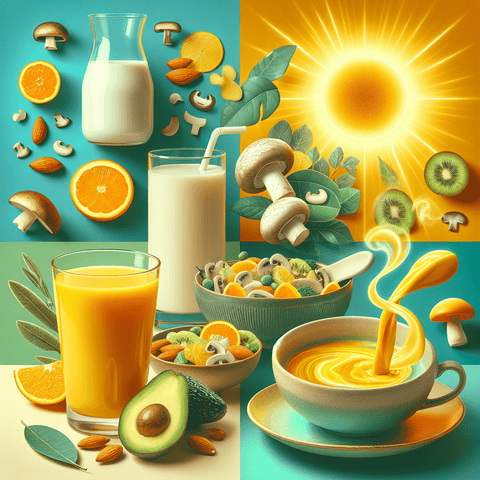
Vitamin D drinks are beverages that have been fortified with vitamin D, a nutrient that contributes to the maintenance of normal bones, muscles and immune function. Because only a limited number of foods naturally contain significant vitamin D, fortified drinks have become a familiar way for many people to include this nutrient in their daily routine.
This page is a topical hub for our coverage of vitamin D drinks. It explains what these beverages are, which types are commonly available, how fortification is presented on labels and what to consider when comparing options. It is designed to give you the broad picture, while the individual articles linked from this tag page go deeper into specific products, comparisons and practical questions.
What Are Vitamin D Drinks?
Vitamin D drinks are ordinary beverages to which vitamin D has been added during manufacturing. This process is called fortification. It is used because vitamin D occurs naturally in only a small number of foods, and many people do not get consistent sun exposure throughout the year.
Fortified drinks are not a separate category of product in a regulatory sense. They can be dairy milks, plant-based milks, juices, smoothies or other ready-to-drink formats. What they share is that vitamin D appears on the nutrition panel as an added nutrient rather than occurring naturally in the base ingredient.
Vitamin D itself exists in several forms. Two that are commonly used in fortified foods and drinks are vitamin D2 (ergocalciferol) and vitamin D3 (cholecalciferol). Labels may specify which form is used, and the form can differ between products. For general information on vitamin D and its role in the body, see our vitamin D benefits, sources and safety category.
Main Types of Drinks With Vitamin D
The range of vitamin D fortified drinks has grown considerably. The list below covers the main categories you are likely to encounter, though availability varies by country and retailer.
- Fortified cow's milk – a traditional option in many markets, often fortified with vitamin D alongside other nutrients.
- Plant-based milks – soy, almond, oat, rice and similar drinks are frequently fortified with vitamin D and sometimes with vitamin B12 and calcium.
- Fortified orange juice and other juices – some juices carry added vitamin D, though not all do, so the label matters.
- Ready-to-drink blends – smoothies, protein drinks and mixed beverage products that may include vitamin D among their added nutrients.
- Fortified dairy alternatives in other formats – such as fortified yoghurt drinks or kefir-style beverages, depending on the market.
Vitamin D content per serving can differ widely between products, even within the same category. Some fortified drinks provide a meaningful share of a daily intake, while others provide a smaller amount. This is one reason why comparing labels rather than assuming a category is uniformly fortified is important.
How to Read Labels on Vitamin D Fortified Drinks
Nutrition panels and ingredient lists are the most practical tools for evaluating vitamin D drinks. The information below outlines what to look for.
Vitamin D on the Nutrition Panel
Vitamin D is usually listed as a percentage of a reference intake or as micrograms (µg) per serving. The serving size is stated on the panel, and it may not match the amount you actually pour. Checking both the amount of vitamin D and the serving size gives a clearer picture of what one portion provides.
Other Nutrients and Ingredients
Fortified drinks often carry other added nutrients, such as calcium or vitamin B12. They may also contain sugar, sweeteners, thickeners, stabilizers or flavourings. These ingredients affect taste, texture and how the drink fits into an overall eating pattern, so they are worth reviewing alongside the vitamin D content.
Allergens and Dietary Suitability
Dairy-based and plant-based drinks carry different allergen profiles. Soy, almond, oat and other plant ingredients may be relevant for people with specific dietary needs. The ingredient list and allergen statements are the appropriate place to check this.
Vitamin D Drinks in the Context of Overall Vitamin D Intake
Vitamin D intake comes from a combination of sources. These typically include foods that naturally contain vitamin D, fortified foods and drinks, and supplements. Sunlight exposure also contributes to vitamin D status, though the amount produced depends on factors such as season, latitude, skin tone and time spent outdoors.
Fortified drinks are one part of this picture. They can be a convenient option for people who already consume them regularly, but the amount of vitamin D per serving is usually modest. For this reason, drinks are generally considered alongside other dietary sources rather than as a stand-alone solution.
If you are considering a supplement or have questions about your individual vitamin D needs, a qualified healthcare professional can provide guidance based on your circumstances. General information on supplements and nutrients can also be found in our natural supplements category.
Practical Considerations When Choosing Vitamin D Drinks
Choosing between vitamin D drinks is largely a matter of personal preference, dietary needs and how the product fits into your routine. The factors below are commonly relevant.
- Vitamin D content per serving – check the nutrition panel rather than relying on front-of-pack wording.
- Serving size – a drink may contain vitamin D per stated serving, which may differ from how much you typically consume.
- Sugar and sweeteners – these vary widely and may matter depending on your dietary preferences.
- Texture and flavour – dairy, soy, almond, oat and juice-based drinks each have distinct sensory profiles.
- Storage and convenience – shelf-stable versus chilled formats affect how easy a product is to keep on hand.
- Price and availability – fortification levels do not necessarily track with price, so comparing options is worthwhile.
Exploring Vitamin D and Related Nutrients Further
Vitamin D works alongside other nutrients in the body. Calcium, for example, is closely associated with vitamin D in relation to bone health, and magnesium is involved in many processes that include vitamin D metabolism. Learning about these relationships can help place vitamin D drinks in a broader nutritional context.
Our calcium benefits, bone and muscle health category and our broader guides to vitamins and minerals can support further reading. The articles linked from this tag page provide more specific product-level and comparison-level detail on vitamin D drinks.