
The concept of vitamin d metabolism describes a sequence of biochemical steps that transform a vitamin D precursor into active signaling molecules. This pathway begins with a molecule that can be produced within the body or encountered through other means, and it relies on transport proteins to shuttle forms through circulation. Throughout the process, the metabolite pool is modulated by enzymes and regulatory signals, creating distinct forms with specific roles in the body's chemistry. In the liver, the first major step is 25-hydroxylation, carried out by hepatic enzymes such as CYP2R1, which convert the precursor into 25-hydroxyvitamin D (calcidiol). This circulating form serves as a reservoir and a substrate for further activation. The conversion is followed by transport in the bloodstream, aided by vitamin D binding protein, delivering the metabolite to sites where additional transformation can occur. The kidney performs the next crucial transformation: 1α-hydroxylation by the enzyme CYP27B1, producing 1,25-dihydroxyvitamin D (calcitriol), the hormonally active form. This step is tightly regulated by signaling pathways that monitor mineral status, including parathyroid hormone, phosphate levels, and fibroblast growth factor 23. In some tissues, local metabolism can also generate active or inactive forms, contributing to the broader network of vitamin d metabolism. Calcitriol exerts its effects by binding to the vitamin D receptor (VDR), a nuclear receptor that partners with other transcription factors to regulate gene expression. When the vitamin d metabolism pathway engages VDR, it influences the production of proteins involved in calcium transport and mineral balance, including intestinal transporters and binding partners. The system also includes a catabolic route via CYP24A1 that helps terminate signaling by inactivating vitamin D metabolites, maintaining overall balance within the pathway.
Vitamin D Metabolism: The Surprising Pathway to Strong Bones

Vitamin D vs. D3: The Main DifferenceVitamin D is a family of fat-soluble compounds, with vitamin D2 (ergocalciferol) and vitamin D3 (cholecalciferol) as the main supplemental forms. While both contribute to normal calcium absorption, immune function, and bone maintenance, research shows vitamin D3 is generally more effective than D2 at raising and sustaining serum 25-hydroxyvitamin D [25(OH)D] levels. This makes D3 the preferred choice for most people when choosing a daily supplement.Why D3 Is Often PreferredVitamin D3 is more potent and has a longer half-life compared to D2, meaning it can maintain adequate vitamin D status more efficiently. D3 is commonly sourced from lanolin (sheep’s wool) or, for a vegan option, from lichen. While vitamin D2 remains useful in specific contexts, D3’s superior absorption and efficacy make it the practical first choice for supplementing and optimizing your vitamin D levels.Practical Tips for SupplementationTake vitamin D3 with a meal containing fat to enhance absorption. Dosage should be personalized based on factors like sun exposure, skin tone, age, and health status; serum testing is the best guide to determine your needs. Always choose a quality-assured product, and consult a healthcare professional if you have underlying conditions or take medications that might interact with vitamin D metabolism.

Vitamin D regulation depends on coordinated activity across the parathyroid gland, kidneys, liver, and broader endocrine system. When blood calcium is low, parathyroid hormone (PTH) stimulates the kidneys to convert inactive vitamin D into calcitriol, the active form that supports calcium absorption and vitamin D and bone health. This vitamin D metabolism pathway is influenced by calcium, phosphorus, magnesium, sunlight, age, organ function, and medications. These regulatory mechanisms help maintain mineral balance, while disorders affecting the parathyroid gland, liver, or kidneys can cause deficiency or toxicity. Appropriate vitamin D supplements may support healthy levels when guided by individual needs.

Vitamin D and D3: Understanding the BasicsVitamin D is a fat-soluble nutrient that acts like a hormone in the body, supporting calcium absorption, bone health, and immune function. The term “vitamin D” actually refers to two main forms: D2 (ergocalciferol) and D3 (cholecalciferol). D3 is produced in the skin after UVB sunlight exposure and is also found in animal-based foods, while D2 comes from plant sources. Both are converted in the liver to 25-hydroxyvitamin D, the form doctors measure to assess your status. However, D3 is more effective at raising and maintaining blood levels, making it the preferred choice for most supplements.Why D3 Is More Effective Than D2Research shows that vitamin D3 is absorbed more efficiently and has a longer half-life in the bloodstream compared to D2. This means it provides a more consistent and sustained increase in 25-hydroxyvitamin D levels. D3 also has a higher affinity for the liver enzyme that converts vitamin D into its active form. Because of these advantages, clinicians often recommend D3 for correcting deficiencies and for daily maintenance. D3 supplements are typically derived from lanolin (sheep’s wool) or fish oil, but vegan D3 sourced from lichen is also available.Choosing the Right Vitamin D SupplementWhen selecting a supplement, look for cholecalciferol (D3) rather than ergocalciferol (D2). Dosage depends on your age, current vitamin D levels, sun exposure, and health status. General guidelines range from 400 IU for infants to 2000 IU or more for older adults, but the safe upper limit for adults is 4000 IU per day. It’s important to have your blood levels tested before starting high-dose supplementation and to consult a healthcare professional if you are pregnant, breastfeeding, taking medications, or have a medical condition. Always choose reputable brands that clearly label the form of vitamin D they use.

Vitamin D and Energy: The Core ConnectionMany people wonder, "Does vitamin D give you energy?" The short answer is that vitamin D can help improve energy levels, but mainly if you are deficient. Vitamin D is not a stimulant like caffeine; it works gradually to support muscle function, immunity, and overall vitality. Research shows that correcting a deficiency may reduce fatigue, but for those with normal levels, extra vitamin D may not provide an immediate energy boost.Recognizing and Addressing Vitamin D DeficiencyDeficiency is more common than you might think, affecting nearly one billion people worldwide. Symptoms include persistent tiredness, muscle weakness, mood changes, and frequent illness. If you suspect low levels, a blood test can confirm it. Supplementation with vitamin D3, along with safe sun exposure and dietary sources like fatty fish, can help restore healthy levels and support your energy.Practical Tips for Using Vitamin D SafelyWhen supplementing, choose high-quality D3 and consider pairing it with magnesium and vitamin K2 for better absorption. Follow recommended dosages—typically 600–800 IU for maintenance, but higher under medical supervision for deficiency. Avoid megadoses, as they can be harmful. A holistic approach including diet, sleep, and exercise is essential for lasting energy.
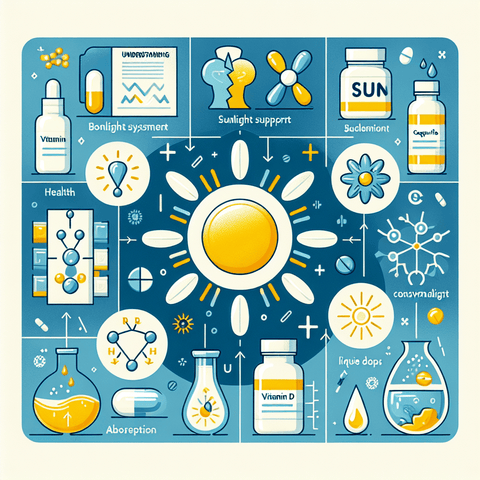
Vitamin D3 vs Vitamin D: What You Need to KnowVitamin D is a fat-soluble nutrient that exists in two main forms: vitamin D2 (ergocalciferol) and vitamin D3 (cholecalciferol). While both support calcium absorption, bone health, and immune function, vitamin D3 is produced in the skin from sunlight and is more effective at raising and maintaining blood levels of 25-hydroxyvitamin D. This makes D3 the preferred choice in most supplements.Why Vitamin D3 Is More BioavailableVitamin D3 has a higher binding affinity to vitamin D transport proteins and is retained in the body longer than D2. Clinical studies show that D3 raises serum 25(OH)D levels nearly twice as efficiently as D2. Absorption can be enhanced by taking D3 with a meal containing fat, using lipid-based formulations, or pairing it with magnesium and vitamin K2.Choosing the Right Vitamin D SupplementWhen selecting a supplement, consider your dietary preferences, health status, and sun exposure. Vegan-friendly D3 from lichen is available, while traditional D3 comes from lanolin. Always consult a healthcare professional to determine the right dose and avoid the risk of toxicity, especially if you have underlying health conditions or take other medications.
Understanding Vitamin D and Vitamin D3Vitamin D is a fat-soluble nutrient that supports calcium absorption, bone health, and immune function. The term "vitamin D" covers two main forms: vitamin D2 (ergocalciferol) and vitamin D3 (cholecalciferol). Vitamin D3 is the form your skin produces from sunlight and is also found in some animal-based foods and supplements. Research shows that vitamin D3 is more effective than D2 at raising and maintaining blood levels of 25-hydroxyvitamin D, which is the form doctors measure to assess your vitamin D status.What Your Blood Test Measures: 25-Hydroxyvitamin DWhen your doctor orders a vitamin D blood test, they measure 25-hydroxyvitamin D (25(OH)D), not the vitamin D3 you consume. After you take vitamin D3, your liver converts it into 25-hydroxyvitamin D, which circulates in your bloodstream and serves as a stable reservoir. Because it has a longer half-life, 25(OH)D provides a reliable snapshot of your vitamin D status over time. This distinction matters: vitamin D3 is the precursor, while 25-hydroxyvitamin D is the metabolite that reflects your body's stores.Choosing the Right Supplement and DosageGiven its superior efficacy, vitamin D3 is generally the preferred supplement form. Typical maintenance doses for adults range from 800 to 2000 IU daily, but your exact needs depend on your blood levels, age, and sun exposure. Since vitamin D is fat-soluble, taking it with a meal containing healthy fats can improve absorption. For those following a vegan diet, lichen-derived D3 is a plant-based option. Always consult a healthcare professional to interpret your blood test results and determine the appropriate dosage for your individual health needs.