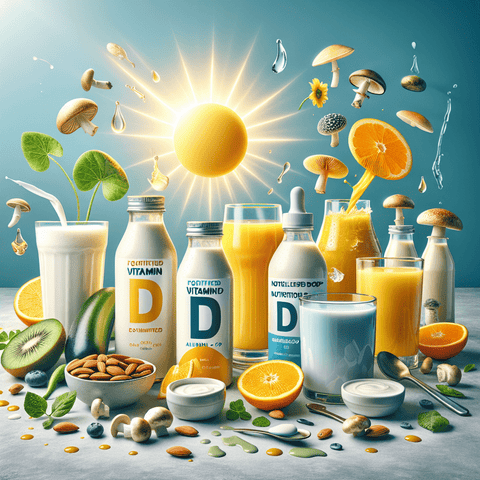
Vitamin D-rich drinks are beverages that either naturally contain vitamin D or have been fortified with it. They offer a convenient way to include this nutrient in daily routines, especially for people who prefer drinking their nutrition or want more variety beyond solid foods. This page provides a broad overview of the main types of vitamin D-rich drinks, how they compare, and what to consider when choosing them.
What Makes a Drink Rich in Vitamin D?
Very few beverages contain vitamin D naturally. The main exception is cow's milk, which is often fortified in many countries, and certain fermented dairy drinks. Most other vitamin D-rich drinks owe their content to fortification, a process in which the vitamin is added during manufacturing. This means the vitamin D content of a drink depends largely on whether it has been fortified and at what level.
Fortification practices vary widely between countries, brands and product categories. For this reason, reading the nutrition label is the most reliable way to know how much vitamin D a specific drink provides. Two products that look similar on the shelf may differ significantly in their vitamin D content.
Main Types of Vitamin D-Rich Drinks
The range of vitamin D-rich drinks can be grouped into a few broad categories. Each has its own nutritional profile, texture and typical uses.
Dairy-Based Drinks
Cow's milk is one of the most commonly fortified drinks in many regions. It is also a source of protein, calcium and other nutrients. Kefir and drinkable yoghurts are fermented dairy options that may be fortified and can offer a tangy flavour and creamy texture. These drinks are often used on their own or as a base for smoothies.
Fortified Plant-Based Milks
Soy, almond, oat, rice and other plant-based milks are frequently fortified with vitamin D, along with calcium and vitamin B12. Their vitamin D content varies by brand and region, so checking the label is important. These drinks can be used in the same ways as dairy milk, from drinking straight to blending into smoothies or pouring over cereal.
Juices and Smoothies
Some fruit juices, particularly orange juice, are fortified with vitamin D in certain markets. Smoothies made with fortified milk or yoghurt can also contribute vitamin D, depending on the ingredients used. These options can be appealing for people who prefer fruity or blended drinks.
Other Fortified Beverages
Certain sports drinks, meal-replacement shakes and other specialty beverages may also be fortified with vitamin D. These products are less common than fortified milks and juices, but they represent another category to be aware of when scanning labels.
How Vitamin D-Rich Drinks Compare
When comparing vitamin D-rich drinks, several factors are worth considering beyond vitamin D content alone.
- Fortification level: This varies by product and is best confirmed on the nutrition label.
- Other nutrients: Dairy and fortified plant milks often provide calcium, protein and B vitamins, while juices may provide vitamin C.
- Dietary suitability: Plant-based options suit dairy-free diets, while dairy drinks may not be suitable for those avoiding lactose or milk proteins.
- Taste and texture: These vary widely and can influence which drinks fit comfortably into a daily routine.
- Added sugars: Some juices, flavoured milks and sports drinks may contain added sugars, which is worth checking if this is a consideration.
Vitamin D-Rich Drinks in Context
Drinks are one part of a broader approach to vitamin D intake. Other dietary sources include fatty fish, egg yolks, and fortified foods such as some cereals and spreads. Sunlight exposure also contributes to vitamin D production in the skin, though this varies with season, latitude, skin tone and other factors.
Several circumstances can influence vitamin D status, including limited sun exposure, darker skin tone, older age, higher body weight, and certain medical conditions or medications. Because individual needs differ, anyone with concerns about their vitamin D intake may wish to consult a healthcare professional rather than relying on general information alone.
Practical Considerations When Choosing Drinks
A few simple habits can help when selecting vitamin D-rich drinks.
- Check the nutrition label for vitamin D content and compare products if this matters to you.
- Consider how the drink fits into your overall diet, including other sources of vitamin D and calcium.
- Think about practical factors such as taste, cost, availability and whether you follow a specific dietary pattern.
- Be aware that fortification can change when products are reformulated, so labels are worth revisiting periodically.
For readers who want to explore related nutrients and supplement categories, our vitamin D benefits, sources and safety collection provides further context. You may also find useful information in our calcium benefits for bone and muscle health category and our multivitamins guide.
Exploring the Topic Further
This tag page is designed as a starting point for understanding vitamin D-rich drinks as a whole. More specific questions, such as how to increase vitamin D quickly, what factors may affect vitamin D levels, how to make particular drinks, or how vitamin D interacts with certain medications, are explored in dedicated articles linked below. Readers who want to go deeper into a particular angle can follow those articles while using this page as a broad reference.