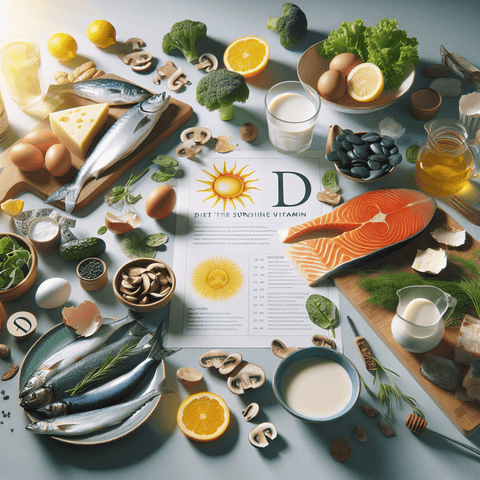
The phrase vitamin D-rich vegetables is widely searched by people looking for plant-based ways to support their vitamin D intake. Yet the honest answer is more nuanced than many food lists suggest: most vegetables contain little or no meaningful vitamin D, while mushrooms and fortified plant foods can make a useful contribution. This guide explains what “vitamin D-rich vegetables” really means, how much vitamin D you need, which plant sources are worth including, and when food alone may not be enough.
What Does “Vitamin D-Rich Vegetables” Actually Mean?
In nutrition terms, the phrase is slightly misleading. Vitamin D is not a nutrient that leafy greens, root vegetables, or fruiting vegetables manufacture in meaningful amounts. The plant foods most often associated with vitamin D are actually fungi—mushrooms—or fortified foods made from plants, such as soy yogurt and plant milks.
Why Most Vegetables Are Not a Significant Source of Vitamin D
Broccoli, spinach, carrots, peppers, and other common vegetables are valuable for fibre, vitamins, minerals, and phytonutrients, but they are not realistic vitamin D sources. A diet built around vegetables can be very healthy without providing much vitamin D at all. This is why vitamin D is one of the nutrients that deserves separate attention in plant-based eating patterns.
The Difference Between Vitamin D2 and Vitamin D3 in Plant Foods
Mushrooms and yeast can produce vitamin D2 (ergocalciferol) when exposed to ultraviolet light. Vitamin D3 (cholecalciferol) is found in animal foods and is also available from lichen, a plant-based source used in some supplements. Both forms can raise vitamin D status, but research generally suggests that D3 raises blood levels of 25-hydroxyvitamin D more effectively than D2, although individual response varies. For a broader look at the nutrient, see this vitamin D benefits, sources, and safety guide.
How Mushrooms Compare to Leafy Greens for Vitamin D
Leafy greens contribute essentially negligible vitamin D. Mushrooms are different because some varieties contain vitamin D2 after UV exposure, whether from sunlight or commercial UV treatment. However, mushroom vitamin D content is highly variable. Fresh mushrooms kept in the dark may contain very little, while UV-treated or wild sun-exposed mushrooms may contain more. The label or production method matters far more than the general category “vegetable.”
How Much Vitamin D Do You Need, and Can Vegetables Get You There?
Standard Daily Recommendations and Reference Intakes
For most adults aged 19–70, public health guidance commonly recommends about 15 micrograms (600 IU) of vitamin D per day, rising to 20 micrograms (800 IU) after age 70. Pregnancy and breastfeeding typically call for around 15 micrograms daily unless a clinician advises otherwise. The tolerable upper intake level for adults is generally 100 micrograms (4,000 IU) per day from supplements and food combined, though higher doses may be used under medical supervision.
Why Sunlight and Diet Usually Outperform Vegetables Alone
Sunlight exposure remains the main natural route to vitamin D for many people, because skin can synthesise it when exposed to UVB radiation. Dietary sources include oily fish, egg yolks, fortified foods, and UV-exposed mushrooms. Vegetables alone are not a dependable strategy. Even a well-planned plant-based diet often relies on fortified foods or supplements to meet vitamin D needs consistently.
Calculating the Realistic Contribution of Vegetables to Total Intake
A serving of UV-exposed mushrooms may add a meaningful amount of vitamin D, but the amount can range from modest to several hundred IU depending on variety, UV treatment, storage, and labelling. Fortified plant milks or yogurts may also contribute, but only when they are actually fortified. Without checking labels, it is difficult to estimate intake accurately—and relying on ordinary vegetables to close the gap is unrealistic.
The 7 Surprising Plant Sources of Vitamin D
1. Wild Mushrooms (Especially UV-Exposed Varieties)
Wild mushrooms that grow in sunlight may contain vitamin D2 because UV exposure converts ergosterol in the fungal tissue. Levels are unpredictable and vary by species, location, and weather. Never forage unless you are experienced or guided by an expert, because some wild mushrooms are toxic.
2. Portobello Mushrooms
Portobello mushrooms can contribute vitamin D2 when they have been exposed to UV light, either naturally or commercially. Ordinary supermarket portobellos may still be low unless the packaging states that they are UV-treated or vitamin D-enhanced.
3. Shiitake Mushrooms
Shiitake mushrooms, especially sun-dried or UV-exposed versions, can contain vitamin D2. Fresh shiitakes vary widely depending on how they were cultivated and stored. Dried shiitakes may retain some vitamin D, but the label and drying method matter.
4. Chanterelle Mushrooms
Chanterelles are wild mushrooms that may contain vitamin D2 after sun exposure. Their content is not standardised, and foraging carries real safety risks. They should be cooked and sourced from a reputable supplier or identified by an expert.
5. Morel Mushrooms
Morels are another wild mushroom that may contain small to moderate amounts of vitamin D2. They must be cooked thoroughly and should never be eaten raw. Like other wild mushrooms, they are not a reliable or consistent vitamin D source.
6. UV-Treated Button Mushrooms (Commercial Varieties)
UV-treated button mushrooms are among the most practical plant-based options because they are widely available and often labelled with their vitamin D content. This is one of the clearest examples of a “vitamin D-rich vegetable” in everyday shopping, even though mushrooms are fungi rather than vegetables.
7. Fortified Plant Foods (Soy Yogurt, Plant Milks, and Tofu) – and Why They Matter
Fortified plant foods are not vegetables, but they are often the most dependable plant-based vitamin D sources. Soy yogurt, oat or almond drinks, and some tofu products may be fortified, though levels differ by country and brand. Always check the nutrition label; this superfoods guide can help put fortified foods into a broader dietary context.
Why Most People Still Fall Short on Vitamin D Even With These Foods
The Role of Sunlight Exposure and Geographic Location
People living at high latitudes, spending most of the day indoors, wearing covering clothing, or using sunscreen consistently may make little vitamin D from sunlight for much of the year. Winter UVB levels are often insufficient in many regions, so food and supplements become more important.
Skin Tone, Age, and Seasonal Factors That Affect Vitamin D Status
Darker skin contains more melanin, which reduces vitamin D synthesis from sunlight. Older skin is less efficient at producing vitamin D, and body weight, pregnancy, and seasonal light changes can also influence status. These factors help explain why two people with similar diets can have very different vitamin D levels.
Absorption Considerations for Vitamin D from Food
Vitamin D is fat-soluble, so absorption can be influenced by the overall meal and by digestive health. Conditions affecting the gut, liver, gallbladder, or pancreas, as well as bariatric surgery, may reduce absorption. In these situations, food sources alone may be less reliable.
How to Maximize Vitamin D From Plant Foods in Your Diet
Best Cooking Methods for Preserving Vitamin D in Mushrooms
Vitamin D2 in mushrooms is relatively stable during normal cooking, but prolonged high-heat cooking or excessive leaching into water can reduce content somewhat. Sautéing, roasting, or adding mushrooms to soups and stir-fries are practical options. Avoid assuming that cooking increases vitamin D unless the product label says so.
Pairing Mushrooms with Fats to Improve Absorption
Because vitamin D is fat-soluble, including a source of fat in the same meal may support absorption. That could mean mushrooms cooked in olive oil, added to a tofu stir-fry, or served with avocado. This is a modest practical step, not a guarantee of absorption.
Practical Ways to Incorporate These Sources Into Weekly Meals
- Add UV-treated mushrooms to breakfast omelettes or tofu scrambles.
- Use fortified plant milk in porridge, smoothies, or coffee.
- Choose fortified soy yogurt as a snack or breakfast base.
- Add mushrooms to soups, curries, pasta sauces, and grain bowls.
- Check labels rather than assuming a product is fortified.
When a Vitamin D Supplement May Be More Reliable Than Plant Sources Alone
Signs That Dietary Intake Alone May Be Insufficient
There are no reliable symptoms that prove low vitamin D on their own. Instead, consider circumstances: very limited sun exposure, a diet without fortified foods or supplements, darker skin, older age, obesity, or a condition that affects absorption. These factors may increase the chance that food alone is not enough.
Who May Need Higher Intakes Than Food Can Provide
People who are housebound, work indoors, live in high-latitude regions, have malabsorption, or take medicines that affect vitamin D metabolism may need more than dietary sources can practically provide. Pregnancy, breastfeeding, and older age are also situations where professional guidance is sensible.
Why Testing and Professional Guidance Matter for Vitamin D Deficiency
A blood test for 25-hydroxyvitamin D can help assess vitamin D status when deficiency is suspected. Symptoms such as fatigue or muscle aches are nonspecific and do not confirm low vitamin D. Diagnosis and treatment of deficiency should be handled by a qualified healthcare professional, not guessed from symptoms or food intake alone.
Choosing a Vitamin D Supplement: Key Differences for Plant-Based Diets
Vitamin D2 vs. Vitamin D3 (Lichen-Based) for Vegans and Vegetarians
Vitamin D2 is usually vegan and is derived from yeast or mushrooms. Vitamin D3 is often animal-derived, but lichen-based D3 is suitable for many vegans and vegetarians. Evidence generally favours D3 for raising blood levels, though D2 can still be effective depending on dose and individual response.
Dosage, Form, and Delivery (Softgels, Drops, and Sprays)
Supplements come as tablets, capsules, softgels, drops, and sprays. Drops and sprays can be useful for people who dislike pills, while softgels are convenient but may contain gelatin. Check the amount per serving rather than assuming that one capsule equals one standard dose.
Quality Indicators: Third-Party Testing, Purity, and Added Ingredients
Look for products from manufacturers that use third-party testing and provide clear labelling. Check for unnecessary additives, allergens, and non-vegan ingredients such as gelatin or lanolin. A well-labelled product should state the vitamin D form, amount per serving, and serving size clearly.
How to Read a Vitamin D Supplement Label
Understanding International Units (IU) and Micrograms (mcg)
Vitamin D is listed in either micrograms or international units. One microgram equals 40 IU, so 10 micrograms is 400 IU and 25 micrograms is 1,000 IU. Always check whether the label refers to one capsule, one drop, or one serving.
Vitamin D2, D3, or Plant-Derived D3 – What to Look For
If you follow a plant-based diet, look for “vegan vitamin D3 from lichen” or “vitamin D2.” Do not assume that all D3 is vegan, because many products use lanolin from sheep wool. The label should make the source clear.
Identifying Unnecessary Additives and Allergens
Some supplements contain sugars, flavours, colourings, or carrier oils that may not be necessary. Check for allergens and for gelatin in softgels. A simpler formulation is not automatically better, but the label should be transparent about what is included and why.
Who Should Consider Supplementation Beyond Vegetables?
People With Limited Sun Exposure or Indoor Lifestyles
Office workers, shift workers, housebound individuals, and people who cover their skin for cultural or medical reasons may have limited vitamin D synthesis. In these groups, fortified foods and a supplement may be more practical than relying on vegetables.
Adults Over 50 and Postmenopausal Women
Older adults tend to produce less vitamin D in the skin and may have lower intakes. Postmenopausal women are also at higher risk of bone loss, making adequate vitamin D and calcium intake relevant. Supplement decisions should still account for existing intake and medical history.
Individuals With Absorption Issues or Specific Medical Conditions
People with coeliac disease, inflammatory bowel disease, cystic fibrosis, liver disease, kidney disease, or a history of bariatric surgery may absorb or metabolise vitamin D differently. They should discuss vitamin D status and supplementation with their healthcare provider.
Safety, Upper Limits, and Potential Interactions
How Much Vitamin D Is Too Much?
The adult upper limit is generally 100 micrograms (4,000 IU) per day from food and supplements combined. Very high doses over long periods can cause hypercalcaemia, with symptoms such as nausea, weakness, confusion, and kidney problems. More is not better.
Medication Interactions and Conditions Requiring Caution
Vitamin D may interact with thiazide diuretics, some anticonvulsants, corticosteroids, orlistat, and cholestyramine. People with kidney disease, hypercalcaemia, sarcoidosis, or other granulomatous conditions should not self-prescribe high doses. Calcium and vitamin D are related, so overall bone-health advice should be individualised.
When to Avoid Self-Supplementing Without Professional Input
Seek professional advice before using high-dose vitamin D if you have kidney or liver disease, a history of kidney stones, high blood calcium, or a medical condition affecting vitamin D metabolism. Pregnancy and breastfeeding also warrant clinician-guided decisions rather than casual high-dose use.
Vegetables, Supplements, or Both? How to Decide
When Food and Lifestyle Changes Are Enough
If you get regular sensible sun exposure, eat fortified foods or UV-treated mushrooms, and have no risk factors for deficiency, food and lifestyle may be sufficient. The key is consistency and realistic assessment rather than assuming that a few servings of vegetables will cover the need.
When Supplementation Is the More Practical Choice
A supplement may be more practical when sun exposure is limited, fortified foods are not eaten regularly, or absorption is reduced. It is not a substitute for a varied diet, but it can fill a genuine nutritional gap when food sources are unreliable.
Questions to Ask Your Healthcare Provider Before Starting a Supplement
- Should I test my vitamin D status first?
- What dose is appropriate for my age, diet, and health history?
- Is a vegan D3 or D2 product suitable for me?
- Could vitamin D interact with my medications?
- How long should I take it before reviewing my intake?
Final Takeaway: Getting Enough Vitamin D on a Plant-Based Diet
Vitamin D-rich vegetables are largely a myth in the strict sense: ordinary vegetables are not meaningful vitamin D sources. UV-exposed mushrooms and fortified plant foods can help, but their contribution varies and is often modest. Sunlight, fortified foods, and—where appropriate—a well-chosen supplement are more dependable strategies. Individual needs depend on age, skin tone, location, diet, absorption, and medical history, so testing and professional advice are sensible when deficiency is suspected.
Key Takeaways
- Most vegetables contain negligible vitamin D; mushrooms are fungi, not vegetables.
- UV-exposed mushrooms can contain vitamin D2, but levels vary widely.
- Fortified plant milks, soy yogurt, and tofu can be useful plant-based sources.
- Vitamin D3 generally raises blood levels more effectively than D2, though response varies.
- Lichen-based D3 is an option for many vegans and vegetarians.
- Sunlight, fortified foods, and supplements are more reliable than ordinary vegetables.
- Older adults, people with limited sun exposure, and those with malabsorption may need extra support.
- Blood testing is more useful than guessing from symptoms.
- The adult upper limit is generally 4,000 IU (100 mcg) per day from food and supplements.
- High-dose supplementation should be discussed with a healthcare professional.
Frequently Asked Questions
Are mushrooms vegetables?
No, mushrooms are fungi. They are often grouped with vegetables in cooking and shopping, but biologically they are different. This matters because mushrooms can contain vitamin D2 after UV exposure, while true vegetables generally do not.
Which vegetables are highest in vitamin D?
Ordinary vegetables such as spinach, broccoli, and carrots are not meaningful vitamin D sources. The closest plant-based options are UV-exposed mushrooms and fortified plant foods. Any list of “vitamin D-rich vegetables” should be read with that distinction in mind.
Can UV-exposed mushrooms replace a vitamin D supplement?
They can contribute, but they are not always reliable enough to replace a supplement for people at risk of deficiency. The amount depends on the mushroom type, UV treatment, storage, and label. If you have low sun exposure or other risk factors, discuss supplementation with a professional.
How much vitamin D do mushrooms provide?
Levels vary widely. Some UV-treated mushrooms may provide a useful amount per serving, while ordinary mushrooms may provide very little. Check the packaging or nutrition label rather than assuming a standard amount.
Is vitamin D2 from mushrooms as good as D3?
Both can raise vitamin D status, but research generally suggests D3 is more effective at increasing blood levels. D2 remains useful for many people, especially vegans who prefer a fungal source. The best choice depends on dose, diet, and individual response.
Do you need fat to absorb vitamin D from mushrooms?
Vitamin D is fat-soluble, so eating it with a source of fat may support absorption. This is a reasonable practical step, such as cooking mushrooms in olive oil or adding them to a meal with avocado or tofu. It is not a guarantee of absorption.
Does cooking destroy vitamin D in mushrooms?
Vitamin D2 is relatively stable during normal cooking, but prolonged high heat or excessive leaching into water can reduce levels somewhat. Sautéing, roasting, or adding mushrooms to soups are practical ways to limit unnecessary losses.
Are wild mushrooms safe for vitamin D?
Wild mushrooms can contain vitamin D2, but they also carry serious safety risks, including toxicity and misidentification. Only use wild mushrooms if they have been correctly identified by an expert or purchased from a reputable supplier. Never forage casually for vitamin D.
Can fortified plant milks meet vitamin D needs?
Fortified plant milks can contribute meaningfully, but levels differ by product and country. Check the label and consider how much you actually consume. For some people, fortified foods plus sensible sun exposure may be enough; others may still need a supplement.
Who is most at risk of low vitamin D?
People with limited sun exposure, darker skin, older age, obesity, malabsorption, or restricted diets may be at higher risk. Those who cover their skin or live at high latitudes are also more vulnerable. Risk factors do not confirm deficiency, but they make testing worth discussing.
What are the symptoms of vitamin D deficiency?
Symptoms such as fatigue, muscle aches, or bone discomfort are nonspecific and do not prove deficiency. Many people with low vitamin D have no obvious symptoms. A blood test is the appropriate way to assess status when deficiency is suspected.
Can you take too much vitamin D?
Yes. Excessive intake over time can cause high blood calcium and related complications. The adult upper limit is generally 4,000 IU (100 mcg) per day from food and supplements combined. High-dose use should be guided by a healthcare professional.
Related Keywords
- vitamin D-rich vegetables
- plant sources of vitamin D
- vegan vitamin D sources
- UV-exposed mushrooms vitamin D
- mushroom vitamin D content
- vitamin D2 vs vitamin D3
- lichen vitamin D3
- fortified plant milk vitamin D
- vitamin D foods for vegetarians
- vitamin D deficiency testing
- vitamin D supplement dosage
- vegetables high in vitamin D