
Welcome to the page dedicated to vitamin d safety. This section helps you discover safe vitamin D amounts, upper limits, and signs of toxicity, all framed around practical steps to protect your health and optimize your sunshine vitamin. Read now to understand how to approach vitamin d safety in daily life. Safe dosing starts with knowing the upper limit. For adults, a commonly cited upper intake level is 4,000 IU per day, though individual needs may vary. When considering vitamin d safety, it’s important to distinguish between the recommended daily allowance and the maximum advisable intake, and to follow official guidance or a clinician’s advice based on your situation. Keep in mind that more is not always better, and safety comes before convenience. Toxicity signs are a signal to reassess intake. In cases of excessive vitamin D, elevated calcium levels can occur, and signs may include unusual thirst, frequent urination, nausea or vomiting, weakness, or confusion. If any of these symptoms appear, seek medical evaluation promptly. A health professional can review your sources and exposures as part of safeguarding vitamin d safety. Practical tips to protect your health and optimize your sunshine vitamin rely on awareness and planning. Track total intake from all sources to stay within the recommended range, avoid unsupervised high-dose use, and consult a clinician before making significant changes. Consider factors that influence sun-driven synthesis, such as time of day and geographic location, and use reliable resources to stay updated on vitamin d safety guidelines. By staying informed and cautious, you support vitamin d safety now and in the future.
Vitamin D Safety: How Much Is Safe to Take, and How to Avoid Toxicity
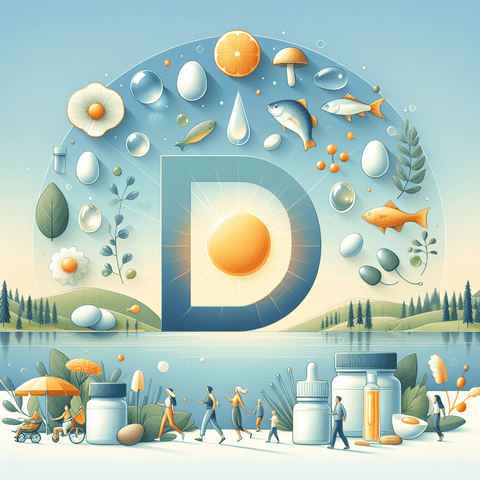
Choosing the best vitamin D supplements requires understanding vitamin D forms, sources, dosage, quality, and individual health needs. Vitamin D3 is generally more effective than D2 for correcting vitamin D deficiencies, while vegan vitamin D products made from lichen offer plant-based options. The best vitamin D sources include sunlight, fatty fish, egg yolks, UV-exposed mushrooms, and fortified foods, though supplements may be necessary for consistent intake. Improve vitamin D absorption by taking oil-based products with a meal containing healthy fats. Prioritize high-quality, third-party tested supplements and follow safe vitamin D dosage recommendations, with blood testing and medical guidance for higher doses.