Vitamin D Sources Guide: Sunlight, Foods & Supplements


What Are the Main Sources of Vitamin D?

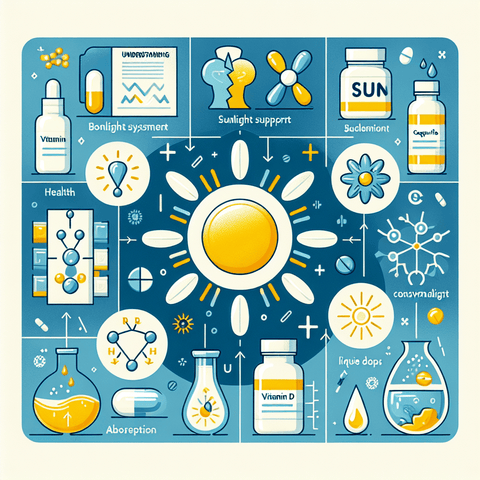
Vitamin D is often called the “sunshine vitamin” because the body can produce it when the skin is exposed to sunlight. Unlike most other vitamins, it does not have to come from food alone. In practice, people obtain vitamin D through three broad channels: sunlight exposure, dietary sources — both naturally rich foods and fortified products — and, where relevant, food supplements. Because each of these channels works differently, many readers find it useful to understand how they fit together before deciding how vitamin D belongs in their own routine. This page provides a broad overview of vitamin D sources, the main considerations associated with each, and the practical questions that most often arise when people explore this topic. It is designed as a starting point that sits above the more specific articles associated with this tag.

Vitamin D in Food: Natural and Fortified Sources

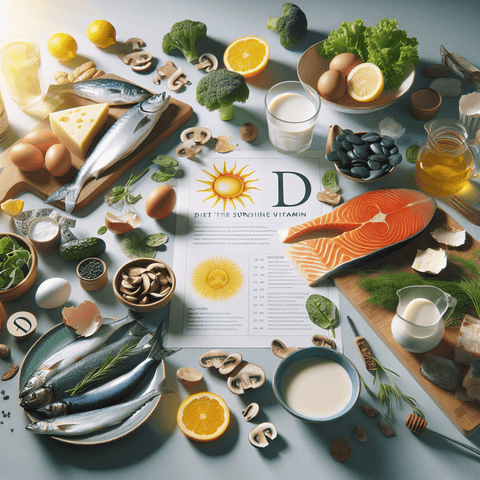
Naturally occurring food sources of vitamin D are relatively limited, which is one reason the topic attracts so much attention. Foods commonly associated with vitamin D include oily fish such as salmon, mackerel, sardines and herring, as well as egg yolks, liver and certain mushrooms, particularly those that have been exposed to ultraviolet light. Alongside these natural sources, many countries fortify everyday products such as milk, plant-based drinks, yoghurt, margarine and breakfast cereals with vitamin D. The exact foods that are fortified, and the amounts involved, vary considerably between countries and brands, so reading labels is an important habit for anyone relying on fortified products. The sections on this page introduce these food categories in more detail and explain how they relate to overall vitamin D intake.

Sunlight, Supplements and Everyday Vitamin D Needs

Sunlight is a genuinely different kind of vitamin D source, because the amount of vitamin D the skin produces depends on factors such as season, time of day, latitude, skin tone, age and the amount of time spent outdoors. This variability helps explain why vitamin D status is often discussed in relation to geography and lifestyle, and why food supplements exist as a third option for people who want additional intake. Supplements are available on their own, in multivitamins and in combination products, and they vary widely in form and strength. Daily vitamin D needs are interpreted differently across countries and personal circumstances, so this page deliberately avoids universal numbers. Readers are encouraged to review local guidance and to seek personalised input from a qualified professional, particularly before combining supplements with prescription medication. The content below expands each of these themes in a clear, neutral way.


Is it better to take vitamin D or vitamin D3? - Topvitamine
Mar 02, 2026
Vitamin D vs. D3: The Main DifferenceVitamin D is a family of fat-soluble compounds, with vitamin D2 (ergocalciferol) and vitamin D3 (cholecalciferol) as the main supplemental forms. While both contribute to normal calcium absorption, immune function, and bone maintenance, research shows vitamin D3 is generally more effective than D2 at raising and sustaining serum 25-hydroxyvitamin D [25(OH)D] levels. This makes D3 the preferred choice for most people when choosing a daily supplement.Why D3 Is Often PreferredVitamin D3 is more potent and has a longer half-life compared to D2, meaning it can maintain adequate vitamin D status more efficiently. D3 is commonly sourced from lanolin (sheep’s wool) or, for a vegan option, from lichen. While vitamin D2 remains useful in specific contexts, D3’s superior absorption and efficacy make it the practical first choice for supplementing and optimizing your vitamin D levels.Practical Tips for SupplementationTake vitamin D3 with a meal containing fat to enhance absorption. Dosage should be personalized based on factors like sun exposure, skin tone, age, and health status; serum testing is the best guide to determine your needs. Always choose a quality-assured product, and consult a healthcare professional if you have underlying conditions or take medications that might interact with vitamin D metabolism.
Which fruit is rich in vitamin D? - Topvitamine
Dec 09, 2025
Fruits are generally not reliable sources of vitamin D, making vitamin D-rich fruits rare or virtually nonexistent in their natural form. Fortified fruits and juices, especially orange juice, may provide added vitamin D, while UV-exposed mushrooms offer a valuable plant-based vitamin D source in the form of vitamin D2. Effective vitamin D sources also include sunlight, fatty fish, egg yolks, fortified dairy, and fortified plant milks. Iron-rich fruits such as dried apricots, figs, dates, pomegranates, and kiwi support overall nutrition, while calcium-packed fruits like oranges, figs, and mulberries complement vitamin D for bone health. Vitamin D supplements may be essential for vegan diets and limited sun exposure.
What is the difference between Vitamin D and D3? - Topvitamine
Nov 22, 2025
Vitamin D and D3: Understanding the BasicsVitamin D is a fat-soluble nutrient that acts like a hormone in the body, supporting calcium absorption, bone health, and immune function. The term “vitamin D” actually refers to two main forms: D2 (ergocalciferol) and D3 (cholecalciferol). D3 is produced in the skin after UVB sunlight exposure and is also found in animal-based foods, while D2 comes from plant sources. Both are converted in the liver to 25-hydroxyvitamin D, the form doctors measure to assess your status. However, D3 is more effective at raising and maintaining blood levels, making it the preferred choice for most supplements.Why D3 Is More Effective Than D2Research shows that vitamin D3 is absorbed more efficiently and has a longer half-life in the bloodstream compared to D2. This means it provides a more consistent and sustained increase in 25-hydroxyvitamin D levels. D3 also has a higher affinity for the liver enzyme that converts vitamin D into its active form. Because of these advantages, clinicians often recommend D3 for correcting deficiencies and for daily maintenance. D3 supplements are typically derived from lanolin (sheep’s wool) or fish oil, but vegan D3 sourced from lichen is also available.Choosing the Right Vitamin D SupplementWhen selecting a supplement, look for cholecalciferol (D3) rather than ergocalciferol (D2). Dosage depends on your age, current vitamin D levels, sun exposure, and health status. General guidelines range from 400 IU for infants to 2000 IU or more for older adults, but the safe upper limit for adults is 4000 IU per day. It’s important to have your blood levels tested before starting high-dose supplementation and to consult a healthcare professional if you are pregnant, breastfeeding, taking medications, or have a medical condition. Always choose reputable brands that clearly label the form of vitamin D they use.
What's the difference between vitamin D3 and vitamin D? - Topvitamine
Oct 28, 2025
Vitamin D3 vs Vitamin D: What You Need to KnowVitamin D is a fat-soluble nutrient that exists in two main forms: vitamin D2 (ergocalciferol) and vitamin D3 (cholecalciferol). While both support calcium absorption, bone health, and immune function, vitamin D3 is produced in the skin from sunlight and is more effective at raising and maintaining blood levels of 25-hydroxyvitamin D. This makes D3 the preferred choice in most supplements.Why Vitamin D3 Is More BioavailableVitamin D3 has a higher binding affinity to vitamin D transport proteins and is retained in the body longer than D2. Clinical studies show that D3 raises serum 25(OH)D levels nearly twice as efficiently as D2. Absorption can be enhanced by taking D3 with a meal containing fat, using lipid-based formulations, or pairing it with magnesium and vitamin K2.Choosing the Right Vitamin D SupplementWhen selecting a supplement, consider your dietary preferences, health status, and sun exposure. Vegan-friendly D3 from lichen is available, while traditional D3 comes from lanolin. Always consult a healthcare professional to determine the right dose and avoid the risk of toxicity, especially if you have underlying health conditions or take other medications.
What are 10 foods rich in vitamin D? - Topvitamine
Oct 13, 2025
Discover the best vitamin D sources for supporting bone strength, immune function, muscle health, and overall vitality. This guide explains how natural vitamin D from sunshine foods such as salmon, mackerel, sardines, tuna, shrimp, eggs, and cod liver oil can help improve intake. It also highlights vitamin D-rich vegetables, especially UV-exposed mushrooms, as valuable plant-based options. Fortified foods—including dairy, plant-based milk, breakfast cereals, bread, and orange juice—can bridge nutritional gaps when sunlight and diet are insufficient. Learn about vitamin D2 and D3, bioavailability, dietary supplements, and practical ways to maintain healthy vitamin D levels year-round.
What is the difference between vitamin D and vitamin D3? - Topvitamine
Oct 12, 2025
Understanding Vitamin D and Vitamin D3Vitamin D is a fat-soluble nutrient that supports calcium absorption, bone health, and immune function. The term "vitamin D" covers two main forms: vitamin D2 (ergocalciferol) and vitamin D3 (cholecalciferol). Vitamin D3 is the form your skin produces from sunlight and is also found in some animal-based foods and supplements. Research shows that vitamin D3 is more effective than D2 at raising and maintaining blood levels of 25-hydroxyvitamin D, which is the form doctors measure to assess your vitamin D status.What Your Blood Test Measures: 25-Hydroxyvitamin DWhen your doctor orders a vitamin D blood test, they measure 25-hydroxyvitamin D (25(OH)D), not the vitamin D3 you consume. After you take vitamin D3, your liver converts it into 25-hydroxyvitamin D, which circulates in your bloodstream and serves as a stable reservoir. Because it has a longer half-life, 25(OH)D provides a reliable snapshot of your vitamin D status over time. This distinction matters: vitamin D3 is the precursor, while 25-hydroxyvitamin D is the metabolite that reflects your body's stores.Choosing the Right Supplement and DosageGiven its superior efficacy, vitamin D3 is generally the preferred supplement form. Typical maintenance doses for adults range from 800 to 2000 IU daily, but your exact needs depend on your blood levels, age, and sun exposure. Since vitamin D is fat-soluble, taking it with a meal containing healthy fats can improve absorption. For those following a vegan diet, lichen-derived D3 is a plant-based option. Always consult a healthcare professional to interpret your blood test results and determine the appropriate dosage for your individual health needs.

Vitamin D is one of the few nutrients the human body can produce itself, which makes the topic of vitamin D sources unusually interesting. Sunlight, food and supplements all play a part, and each works in a different way. This page provides a broad overview of the main vitamin D sources, the practical considerations attached to each one, and the context needed to make sense of the more specific articles associated with this tag.

Many people look into this topic because vitamin D intake varies widely between individuals. Diet, lifestyle, geographic location and the season all influence how much vitamin D a person is exposed to, and no single source suits everyone. Understanding the full map of options makes it easier to have an informed conversation with a healthcare professional about personal circumstances.

What Is Vitamin D?

Vitamin D is a fat-soluble nutrient that the body can make in the skin when it is exposed to ultraviolet B (UVB) rays in sunlight. For this reason it is often called the “sunshine vitamin”. It is also one of the most widely discussed nutrients in public health guidance, and it is frequently mentioned alongside calcium, as the two nutrients are commonly considered together in the context of bone health. Readers researching both nutrients can browse our calcium supplements category as a natural starting point.

Sunlight: The Natural Vitamin D Source

When UVB sunlight reaches the skin, the body begins the process that produces vitamin D. This is why sunlight is usually described as the primary natural source, and why vitamin D levels are often discussed in relation to season and geography. The amount of vitamin D the skin can produce is not fixed; it depends on a range of personal and environmental factors:

  • Season and time of year, with production generally lower during winter at higher latitudes
  • Time of day, as UVB intensity changes throughout the day
  • Latitude and local climate
  • Skin tone, which affects how skin responds to UVB exposure
  • Age, as vitamin D production in the skin is often described as changing over a lifetime
  • Time spent outdoors and how much skin is exposed
  • Use of sunscreen, clothing and shade, all of which limit the UVB that reaches the skin

Because these factors interact in complex ways, no universal amount of sun exposure can be recommended for vitamin D purposes. Skin-safety guidance should always take priority, since prolonged, unprotected exposure increases the risk of skin damage. Anyone trying to balance vitamin D production with skin protection is best served by following the sun-safety advice published by their national health authorities.

Food Sources of Vitamin D

Dietary vitamin D comes from two directions: foods that naturally contain the nutrient, and foods to which vitamin D has been added during manufacturing. Naturally rich sources are relatively limited compared with many other vitamins, which is one reason fortification exists and why vitamin D intake is a recurring theme in dietary guidance around the world.

Naturally Vitamin D-Rich Foods

The foods most commonly associated with natural vitamin D content include:

  • Oily fish such as salmon, mackerel, sardines and herring
  • Cod liver oil and other fish liver oils
  • Egg yolks
  • Liver and other organ meats
  • Certain mushrooms, particularly varieties grown or treated with ultraviolet light

The vitamin D content of these foods varies considerably depending on the species, farming method, season and preparation. Food composition tables and product labels are therefore the most reliable way to compare specific items.

Fortified Foods

In many countries, manufacturers add vitamin D to everyday staple products to help people increase their intake. Commonly fortified products include milk, plant-based drinks, yoghurt, margarine, spreads and breakfast cereals, although the exact list differs by country and brand. Because fortification is voluntary in many markets, two seemingly similar products can contain very different amounts, which makes label checking a useful habit for anyone relying on fortified foods as a regular vitamin D source.

Vitamin D Supplements

Supplements form the third broad source of vitamin D. They are available as standalone products, as part of multivitamin formulas and in combination products with other nutrients. The two main forms are vitamin D2 (ergocalciferol) and vitamin D3 (cholecalciferol), and products vary widely in strength and format. Anyone comparing options can explore our vitamin D supplements collection for an overview of the category, or browse our multivitamins range, as many multivitamin products include vitamin D among their ingredients.

Supplements are intended to complement, not replace, a varied diet and a balanced lifestyle. Labels, directions and formats differ between products, so reviewing the label and following the manufacturer's instructions is an important part of using any supplement sensibly.

Factors That Influence Vitamin D Needs

There is no single daily vitamin D intake that applies to everyone. Requirements are interpreted differently across countries and are shaped by personal circumstances. Factors that are commonly taken into account include:

  • Age and life stage
  • Body characteristics
  • Geographic location and seasonal sunlight availability
  • Typical time spent outdoors
  • Skin tone
  • Overall dietary pattern, including how often vitamin D-rich or fortified foods are eaten

National health authorities publish their own intake recommendations, and these can differ meaningfully from one country to another. For personal guidance, a doctor, pharmacist or registered dietitian can help interpret how these factors apply to an individual situation, including whether testing for vitamin D status is appropriate.

Safe and Sensible Use of Vitamin D Sources

Whichever sources you rely on, a few general habits support safe and informed decision-making:

  • Verify the credibility of any information source, including product labels and official guidance
  • Read supplement labels carefully, including ingredients, strength and usage directions
  • Check food labels when relying on fortified products, as amounts vary between brands
  • Be aware that supplements can interact with certain prescription medications

That last point deserves particular care. People who take prescription medication — including heart medicines such as diltiazem — are generally advised to speak with a doctor or pharmacist before adding a vitamin D supplement, because possible interactions are assessed on an individual basis. General educational pages like this one cannot replace that personalised advice. Anyone who suspects low vitamin D levels can also discuss testing with a healthcare professional rather than self-diagnosing a deficiency.

Frequently Asked Questions About Vitamin D Sources

Which foods are the highest in vitamin D?

Oily fish such as salmon, mackerel, sardines and herring are among the most commonly cited natural sources, alongside egg yolks, liver and UV-exposed mushrooms. Fortified products — including some milks, plant-based drinks, yoghurts, margarines and breakfast cereals — also contribute to intake in many countries. Exact values vary between products, so labels and official food composition data are the best reference points.

How can I raise my vitamin D levels naturally?

The natural levers are sensible time outdoors in line with local sun-safety guidance, plus eating more vitamin D-rich or fortified foods. How effective sunlight is depends on the personal and seasonal factors described above, which is one reason vitamin D is such a common topic in conversations with doctors. Anyone who suspects low levels should ask a healthcare professional about testing rather than adjusting sun exposure on their own.

Do I need a vitamin D supplement?

That depends on diet, lifestyle, location, season and personal circumstances. Some national authorities recommend vitamin D supplements for specific groups, such as during winter months or for people with limited sun exposure. A doctor, pharmacist or dietitian can help determine whether a supplement makes sense for you and, if so, which form and format to consider.

The articles associated with this tag explore individual aspects of vitamin D sources in more depth, from specific foods to seasonal considerations. Starting with the broad picture above makes it easier to place those detailed guides in context.