
Discover how a simple daily vitamin d supplement can fit into a routine. This page explains what a vitamin d supplement is and how a steady daily habit can become a predictable part of your day. You’ll find practical guidance on evaluating options and choosing the right product today. Choosing a vitamin d supplement involves understanding the main forms and options. Common forms include tablets, capsules, liquids, and softgels. Two widely used variants are vitamin D3 (cholecalciferol) and vitamin D2 (ergocalciferol). Look for clear labeling, and check the amount per serving on the label. Safety and suitability matter when selecting a vitamin d supplement. Review ingredient lists for potential allergens, assess any sensitivities to fillers or coatings, and consider how the product fits with any medications you take. Follow the label directions and consult a healthcare professional if you have questions. When you shop for a vitamin d supplement, prioritize trusted brands and independent testing. Look for third-party certifications such as USP or NSF, read expiration dates, and compare packaging. By focusing on these criteria, you can choose the right vitamin d supplement to meet your preferences and needs today.
Vitamin D Supplements: The Simple Daily Habit for Strong Bones, Better Mood, and Immunity

How to Quickly Replenish Vitamin D with the Right SupplementVitamin D, often called the sunshine vitamin, is essential for calcium absorption, bone health, immune function, and mood regulation. Deficiency is widespread, especially in winter or for those with limited sun exposure. When you need to replenish vitamin D quickly, choosing the right supplement is the most direct and efficient route. Vitamin D3 (cholecalciferol) is generally more effective than D2 in raising and maintaining blood levels. Look for third-party tested products and consider forms like oil-based capsules or liposomal formulas for better absorption. Because vitamin D is fat-soluble, take it with a meal containing healthy fats. Doses of 2000–4000 IU/day are common for correction, but higher doses should be supervised by a healthcare provider. Blood tests measuring 25-hydroxyvitamin D help guide your progress, and combining D3 with magnesium and vitamin K2 can support proper utilization.Rapid Vitamin D Boost: Sunlight and Food SourcesSunlight remains the most natural way to produce vitamin D, providing 80–90% of synthesis for most people. For quick results, aim for 15–30 minutes of midday sun exposure (between 10 AM and 2 PM) on arms, face, and legs, several times per week. Longer exposure may be needed for darker skin tones or in northern latitudes during winter. When sunlight is insufficient, fatty fish like salmon, mackerel, sardines, and tuna are excellent dietary sources—a 100g serving of salmon can provide 400–1000 IU. Egg yolks and beef liver contribute smaller amounts, while fortified foods like dairy, plant milks, and cereals can bridge gaps. Pair these foods with healthy fats to enhance absorption, and consider outdoor exercise during peak UVB hours to maximize synthesis.Vitamin D Supplementation Methods and Lifestyle TipsBeyond capsules, alternative delivery methods such as liquid drops, sublingual tablets, and oral sprays may offer faster or more flexible absorption, especially for those with digestive issues. Short-term intensive loading doses under medical supervision can rapidly elevate levels before transitioning to maintenance doses of 1000–2000 IU daily. Lifestyle adjustments also play a role: regular outdoor activity, dressing to expose more skin, and choosing open-sky environments increase UVB exposure. Avoid factors that impair vitamin D metabolism, such as obesity, gastrointestinal disorders, and certain medications. With a comprehensive plan combining supplements, sunlight, and diet, you can replenish vitamin D effectively and safely. Always consult a healthcare professional before starting high-dose regimens, especially if you have underlying conditions.
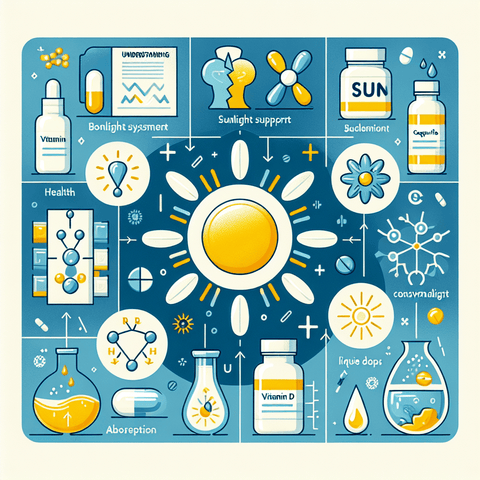
Vitamin D3 vs Vitamin D: What You Need to KnowVitamin D is a fat-soluble nutrient that exists in two main forms: vitamin D2 (ergocalciferol) and vitamin D3 (cholecalciferol). While both support calcium absorption, bone health, and immune function, vitamin D3 is produced in the skin from sunlight and is more effective at raising and maintaining blood levels of 25-hydroxyvitamin D. This makes D3 the preferred choice in most supplements.Why Vitamin D3 Is More BioavailableVitamin D3 has a higher binding affinity to vitamin D transport proteins and is retained in the body longer than D2. Clinical studies show that D3 raises serum 25(OH)D levels nearly twice as efficiently as D2. Absorption can be enhanced by taking D3 with a meal containing fat, using lipid-based formulations, or pairing it with magnesium and vitamin K2.Choosing the Right Vitamin D SupplementWhen selecting a supplement, consider your dietary preferences, health status, and sun exposure. Vegan-friendly D3 from lichen is available, while traditional D3 comes from lanolin. Always consult a healthcare professional to determine the right dose and avoid the risk of toxicity, especially if you have underlying health conditions or take other medications.

Choosing the right vitamin D supplement depends on its form, dosage, source, quality, and individual health needs. Vitamin D3 is generally more effective than D2 for raising and maintaining blood levels, while vitamin D3 capsules offer convenient, consistent dosing and improved absorption when taken with healthy fats. The guide compares best vitamin D brands, delivery formats, and vegan vitamin D options made from lichen. It also explains vitamin D supplement dosage, the importance of blood testing and medical guidance, and natural vitamin D sources such as sunlight, fatty fish, eggs, and fortified foods for supporting bone health and immunity.