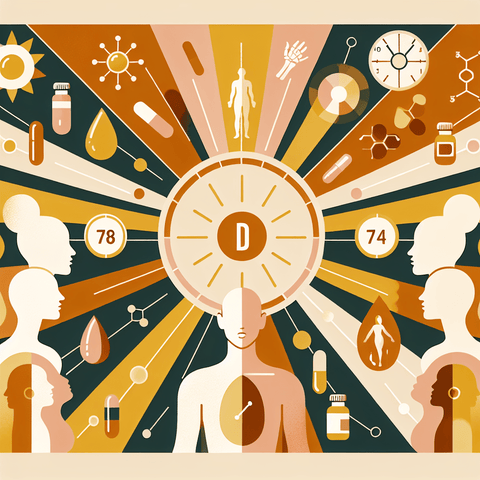
Vitamin D synthesis is the body's natural way of producing vitamin D, mostly through the skin when it is exposed to sunlight. It is a multi-step biological process that connects UVB rays, a cholesterol-like molecule in the skin, and a series of conversions in the liver and kidneys. This tag page offers a broad overview of how vitamin D synthesis works, what influences it, and how it relates to diet and supplements. For deeper dives into specific questions, explore the individual articles listed below.
What Is Vitamin D Synthesis?
Vitamin D synthesis refers to the production of vitamin D within the body, primarily in the skin, when it is exposed to ultraviolet B (UVB) radiation from sunlight. The process begins when UVB rays penetrate the epidermis and interact with 7-dehydrocholesterol, a molecule present in the skin. This interaction converts 7-dehydrocholesterol into previtamin D3, which then rearranges into vitamin D3 (cholecalciferol). Once formed, vitamin D3 enters the bloodstream and is transported to the liver, where it is converted into 25-hydroxyvitamin D, the main circulating form measured to assess vitamin D status. A further conversion in the kidneys produces the active hormone form, 1,25-dihydroxyvitamin D, which supports various physiological functions.
This pathway is often described in stages: skin synthesis, liver conversion, and kidney activation. Each step is influenced by different factors, and understanding the overall flow helps clarify why sun exposure, diet, and supplementation are all relevant to vitamin D status.
Why Vitamin D Synthesis Matters
Vitamin D plays a role in several important functions, including the normal absorption and use of calcium and phosphorus, which are needed for bone health. It also contributes to normal muscle function and the normal functioning of the immune system. Because vitamin D can be produced in the skin, understanding synthesis helps explain how lifestyle and environment can influence vitamin D status. For many people, synthesis is a meaningful contributor to overall vitamin D levels, but it is not the only factor. Diet, supplements, skin characteristics, and geographic location all interact to shape an individual's vitamin D status. Recognizing these connections can support more informed decisions about sun exposure and nutritional intake.
The Biochemical Pathway of Vitamin D Synthesis
The synthesis of vitamin D in the skin involves a sequence of conversions that can be summarized as follows:
- UVB radiation from sunlight penetrates the skin and converts 7-dehydrocholesterol into previtamin D3.
- Previtamin D3 undergoes a temperature-dependent rearrangement to become vitamin D3 (cholecalciferol).
- Vitamin D3 enters the bloodstream and is transported to the liver, where it is converted to 25-hydroxyvitamin D.
- In the kidneys, 25-hydroxyvitamin D is further converted to its active form, 1,25-dihydroxyvitamin D.
This multi-step pathway is often referred to as the vitamin D synthesis pathway. It highlights that skin production is just the beginning; the body must complete additional conversions before vitamin D can perform its biological roles.
Factors That Affect Vitamin D Synthesis
Several variables can influence how efficiently the skin produces vitamin D. These include environmental, biological, and behavioral factors:
- Time of day: UVB intensity is generally highest around midday, while early morning and late afternoon sun may contain less UVB.
- Season: In many regions, UVB levels are lower during winter months, reducing the potential for skin synthesis.
- Latitude: Locations farther from the equator may receive less UVB, especially during certain seasons.
- Skin pigmentation: Melanin can reduce the amount of UVB that reaches the deeper skin layers, potentially slowing vitamin D synthesis.
- Age: Older skin may have a lower concentration of 7-dehydrocholesterol, which can affect production.
- Sunscreen and clothing: These can block UVB and reduce synthesis, though they are important for skin protection.
- Amount of exposed skin: More exposed skin can produce more vitamin D, but this must be balanced with safety.
These factors help explain why vitamin D synthesis varies so much from person to person and across different times of the year.
Practical Considerations for Sun Exposure
For those who wish to support vitamin D synthesis through sun exposure, a balanced approach is important. Brief periods of sun exposure on the face, arms, or hands may help support synthesis, but the duration depends on many factors, including skin type, location, and time of day. It is generally recommended to avoid sunburn and to protect the skin when spending extended time outdoors. Some people may choose to spend short periods in the sun without sunscreen to support synthesis, then apply sunscreen or cover up to prevent overexposure. Because individual circumstances differ, there is no universal recommendation for how long to stay in the sun. Listening to your skin and adjusting based on your own response is a reasonable starting point.
Vitamin D Synthesis vs. Dietary and Supplemental Sources
While skin synthesis is a major source of vitamin D for many people, it is not the only one. Dietary vitamin D can be obtained from certain foods, such as fatty fish, egg yolks, and fortified products. Supplements provide a controlled amount of vitamin D and are commonly used when sun exposure is limited or when dietary intake is insufficient. The body handles vitamin D from these different sources through overlapping pathways, and all contribute to overall vitamin D status. For some individuals, a combination of sun exposure, dietary choices, and supplementation may be appropriate. If you are considering supplements, you can explore our vitamin D benefits, sources and safety category for more information on product options and general considerations.
Because vitamin D is fat-soluble, the body can store some of it, but regular intake or synthesis is still important to maintain adequate levels. The relative importance of each source depends on individual factors such as lifestyle, geographic location, and dietary patterns.
Common Questions About Vitamin D Synthesis
Many people wonder about the specifics of vitamin D synthesis. For example, questions about how long sun exposure needs to last, whether skin appearance is affected, and how different populations obtain vitamin D are common. These topics are explored in more detail in the individual articles associated with this tag. The broad takeaway is that synthesis is a dynamic process influenced by many variables, and there is no single answer that applies to everyone. If you are curious about related nutrients, you may also look at our calcium benefits for bone and muscle health category, since calcium and vitamin D are often discussed together in the context of bone health.
Exploring Vitamin D Synthesis Further
This page provides a high-level map of vitamin D synthesis, from the initial UVB interaction in the skin to the final activation in the kidneys. It also outlines factors that affect production and practical considerations for sun exposure. For more specific guidance, including detailed sun exposure times, comparisons of supplement forms, and answers to common questions, browse the individual articles tagged below. If you are interested in general nutritional support, you can also visit our natural supplements collection to explore a range of options. Always remember that this information is educational and not a substitute for personalized medical advice.