
Vitamin D toxicity is a topic that sits at the intersection of science and public awareness. This page examines what vitamin d toxicity means, how it is discussed in research, and why it can be a concern when levels become unusually high. By outlining signs, risks, safe limits, and practical prevention ideas, the goal is to provide a clear overview that stays focused on the concept of vitamin d toxicity without venturing into unrelated details. In discussions about vitamin d toxicity, signs are described as manifestations that may appear when levels are excessive for an extended period. These observations are often noted as being nonspecific and overlapping with other conditions, which is why careful interpretation and appropriate evaluation are emphasized in professional contexts. Early recognition of potential indicators is described in literature as helpful for guiding further assessment, rather than relying on solitary self-checks. Risk considerations around vitamin d toxicity center on how sustained elevations can affect processes involved in mineral balance and overall physiology, and why guidelines highlight limits to exposure. Safe limits are discussed in official guidance as reference points intended to reduce the likelihood of adverse effects, acknowledging that individual circumstances can influence how these limits apply. The broader discussion notes that toxicity is not inevitable and depends on cumulative exposure, personal factors, and the context in which information is interpreted. Practical prevention tips, in the context of vitamin d toxicity, emphasize staying informed through reputable sources and seeking input from qualified professionals when there are concerns or measurements to review. The approach invites caution and encourages consultation over speculative conclusions, especially when information comes from non-expert sources. By engaging with up-to-date guidance and relying on objective information, readers can understand how vitamin d toxicity is treated in scientific and policy discussions without venturing into unchecked assumptions.
Vitamin D Toxicity: How Much Is Too Much? Symptoms, Risks, and Prevention

Vitamin D and High Cholesterol: The Direct AnswerCan too much vitamin D cause high cholesterol? Based on current evidence, the answer is no. Vitamin D toxicity primarily affects calcium regulation, leading to hypercalcemia, not directly raising cholesterol. Most randomized controlled trials report neutral or modest, clinically small effects on LDL, HDL, and triglycerides. Some studies have noted slight increases in LDL in certain populations, but these changes are inconsistent and not dose-dependent. Any lipid changes observed are often explained by confounding factors such as diet, body weight, hydration status, or seasonal lifestyle shifts. Thus, excessive vitamin D alone is not a proven cause of high cholesterol. However, because vitamin D is fat-soluble and can accumulate, it is essential to understand its safe limits and potential side effects.Signs of Vitamin D Toxicity and Safe IntakeVitamin D toxicity is rare but can develop from sustained, very high intakes well above recommended levels. Typical symptoms arise from hypercalcemia and include nausea, vomiting, constipation, abdominal pain, excessive thirst, frequent urination, fatigue, confusion, and in severe cases dehydration, kidney stones, or kidney impairment. The tolerable upper intake level for adults is 4,000 IU (100 mcg) per day for chronic, unsupervised use; higher doses require medical supervision. Monitoring 25-hydroxyvitamin D levels periodically is advisable when using higher doses or if you have conditions that affect vitamin D metabolism. Children and individuals with certain disorders such as sarcoidosis or primary hyperparathyroidism are at higher risk.Practical Guidance for Lipid Health and Vitamin D UseTo safeguard both bone and heart health, use vitamin D responsibly: take it with a meal containing fat, choose quality supplements, and avoid megadoses without clinician input. If you notice a rise in cholesterol after starting vitamin D, evaluate other variables first—weight changes, dietary fat intake, physical activity, alcohol use, hydration, and lab timing. For triglyceride support, omega-3 fatty acids (EPA and DHA) at 2 g per day contribute to maintenance of normal blood triglyceride levels. Always consult a healthcare professional before starting high-dose supplementation, especially if you are pregnant, taking medications, or have existing medical conditions. Regular blood tests can help you adjust your vitamin D intake to maintain optimal levels without risking toxicity.

What Are Vitamin D Bombs?Vitamin D bombs are high-dose vitamin D supplements, typically containing 10,000 IU or more per serving, designed to rapidly raise blood levels of vitamin D. They are often used under medical supervision to correct severe deficiency quickly. While they can be effective short-term tools, unsupervised use carries significant risks, including vitamin D toxicity. This article explains how they work, why they might be prescribed, and the safety precautions you must consider before taking them.Risks and Safe Dosing of High-Dose Vitamin DBecause vitamin D is fat-soluble, your body stores excess amounts, and taking too much can lead to hypervitaminosis D, causing nausea, kidney damage, and calcium buildup in tissues. Health authorities like EFSA set an upper safe daily limit of 4,000 IU for adults. Vitamin D bombs exceed this drastically, so they should only be used when a healthcare provider confirms deficiency and recommends a specific regimen. Safe supplementation generally favors consistent daily moderate doses over infrequent mega-doses.How to Use Vitamin D Safely and EffectivelyTo determine if you need vitamin D, ask your doctor for a blood test measuring 25-hydroxyvitamin D. If you are deficient, a doctor may prescribe high-dose vitamin D bombs for a short period, followed by maintenance dosing. In addition, you can support your levels through natural food sources like oily fish, egg yolks, and fortified foods, and by getting sensible sun exposure. Always combine any supplement strategy with professional guidance and avoid self-prescribing high doses.
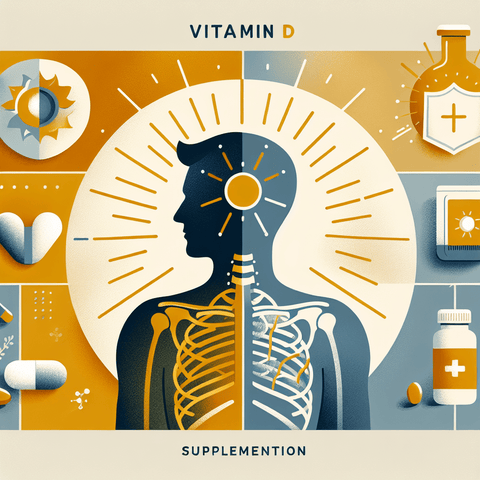
Vitamin D supports calcium absorption, strong bones and teeth, muscle function, immune health, and inflammation regulation. Common vitamin D deficiency symptoms include fatigue, muscle weakness, bone pain, low mood, frequent illness, and slow wound healing, although a blood test is needed for confirmation. Dietary sources include fatty fish, cod liver oil, egg yolks, UV-exposed mushrooms, and fortified foods. Vitamin D supplements can help correct deficiency, but excessive intake may cause vitamin D adverse effects, hypercalcemia, kidney problems, and vitamin D toxicity. Vitamin D overdose usually results from prolonged high-dose supplementation, so monitor dosage, consider medication risks, and consult a healthcare professional.