Vitamin D3 Benefits: Immune, Bone & Daily Health


Understanding Vitamin D3 and Its Role in the Body

Vitamin D3, also known as cholecalciferol, is a fat-soluble nutrient that plays a fundamental role in numerous bodily functions. While often grouped with vitamins, it functions more like a hormone, influencing gene expression and cellular health across nearly every system. For many, understanding the full scope of vitamin D3 benefits goes beyond just bone health; it connects deeply to mood, immune resilience, and daily vitality. This article explores the science-backed ways vitamin D3 supports your body, explains the signs of insufficiency, helps you identify the right dietary and supplemental approaches, and guides you toward making informed decisions for long-term wellness.

Key Benefits: From Immune Support to Bone Strength

One of the most significant vitamin D3 benefits is its role in supporting the normal function of the immune system. Many people turn to vitamin D benefits and sources to understand how it supports overall wellness and energy levels. Additionally, vitamin D3 benefits are firmly anchored in musculoskeletal health, governing the absorption of calcium and phosphorus from the digestive system into the bloodstream. Without sufficient D3, mineral deficits can lead to poor bone mineralization, increasing the risk for osteoporosis and fractures. Vitamin D3 also plays a role in mood regulation, with receptors highly concentrated in areas of the brain involved in mood development.

Sources, Forms, and Supplementation

Vitamin D3 is the form naturally created in the skin from sunlight, while D2 comes from plant sources. Both are available in natural supplements on the market. The body produces vitamin D through sun exposure, but dietary intake often helps to bridge the gap when sun exposure isn't consistent. Since individual needs can vary considerably based on geography, lifestyle, and dietary habits, supplementation is a practical way to help meet daily requirements. For those interested in broader general wellness, vitamin D3 is often found as part of multivitamin formulas designed to fill gaps in a daily diet.


8 Best Vitamin D Supplements (D3 vs D2 Explained) - Topvitamine
May 02, 2026
Understanding Vitamin D: Forms and BenefitsVitamin D is essential for calcium absorption, bone health, muscle function, and immune balance. It comes in two main forms: vitamin D3 (cholecalciferol) from sunlight and animal sources, and vitamin D2 (ergocalciferol) from fungi. Research suggests D3 is more effective at raising and maintaining blood levels of 25-hydroxyvitamin D, making it the preferred choice for most people. Vegan D3 from lichen offers a plant-based alternative that behaves like conventional D3.Choosing the Right Supplement: D3 vs D2 and MoreWhen selecting a vitamin D supplement, consider your dietary pattern, current health status, lifestyle, and lab results. D3 is generally preferred due to its higher potency and longer duration in the body. For vegans, lichen-derived D3 is an excellent option, while D2 remains a viable plant-based choice. The best vitamin D for absorption is typically an oil-based D3 softgel taken with a meal containing fat.Practical Guide: Dosage, Timing, and Combining NutrientsDosage depends on age, health status, and lab values. Common guidelines recommend 400 IU daily for infants, 600–800 IU for most adults, and 800–1,000 IU for older adults. To enhance absorption, take vitamin D with a meal containing healthy fats. Combining vitamin D with vitamin K2 and magnesium supports bone and metabolic health. Always consult a healthcare professional before starting high-dose supplementation.
Unlocking the Secrets of Vitamin D3 for Longevity and Anti-Aging - Topvitamine
Sep 10, 2025
Vitamin D3: What It Is and Why It MattersVitamin D3, also called cholecalciferol, is a fat-soluble vitamin that your body produces when skin is exposed to sunlight. It is also found in some foods and supplements. Vitamin D3 plays a crucial role in calcium absorption, which supports strong bones and teeth, and it contributes to immune function, inflammation regulation, and cellular health. Many people turn to vitamin D3 supplementation to maintain adequate levels, especially when sunlight exposure is limited by geography, season, skin pigmentation, or age.Recognizing Vitamin D3 Deficiency and Daily UseSigns that you may need more vitamin D3 include persistent fatigue, low energy, bone or muscle pain, weakness, cramps, and mood changes. People with limited sun exposure, darker skin, or older age are at higher risk. Taking vitamin D3 daily is a common approach to keep blood levels stable. Typical maintenance doses for adults range from 600 to 2,000 IU per day, with a safe upper limit of 4,000 IU for most adults. However, personalized dosing and periodic blood testing are recommended to determine the right amount for you.Supporting Healthy Aging with Vitamin D3Beyond bone health, vitamin D3 supports immune function, helps modulate inflammation, and influences cellular processes related to growth and maintenance. These roles contribute to healthy aging. To optimize vitamin D3 absorption, take it with meals containing healthy fats. Pairing it with vitamin K2 and magnesium may enhance its effects, as these nutrients work together to support bone health and vitamin D activation. Always consult a healthcare professional before starting a new supplement, especially if you take medications or have a medical condition.
Discover the Surprising Ways Vitamin D3 Boosts Your Immune System Naturally - Topvitamine
Sep 10, 2025
Vitamin D3 Immune System Support: Key MechanismsVitamin D3 is a fat-soluble nutrient that plays a vital role in immune system health. It interacts with receptors on immune cells like T-cells, B-cells, and macrophages, helping to regulate and balance immune responses. It also strengthens physical barriers such as skin and mucous membranes, and stimulates the production of antimicrobial peptides that act as natural defenders against invading microbes. These mechanisms support both innate and adaptive immunity, making vitamin D3 a key nutrient for overall immune resilience.Vitamin D3 Deficiency and Immune FunctionMany people have low vitamin D levels, especially during winter or with limited sun exposure. When levels are suboptimal, immune-supporting functions may not work at full capacity. Research suggests that deficiency is associated with less robust immune responses. Maintaining adequate levels through sensible sun exposure, vitamin D-rich foods, or supplementation may help support respiratory health and natural immunity. However, no single nutrient can prevent infection, and vitamin D3 should be viewed as part of a holistic approach to wellness.Practical Steps to Support Healthy Vitamin D3 LevelsTo maintain healthy vitamin D3 levels, aim for 10-30 minutes of midday sun exposure on arms and legs several times a week, balance skin health considerations, and consider vitamin D3-rich foods like fatty fish and egg yolks. Supplementation may be practical, with common maintenance doses for adults ranging from 1,000 to 4,000 IU daily, but individual needs vary. Since vitamin D3 is fat-soluble, taking it with a meal containing healthy fats can improve absorption. Magnesium is a necessary cofactor for vitamin D activation, and vitamin K2 works synergistically to support calcium metabolism. Always consult a healthcare provider for personalized advice, especially if you suspect deficiency or plan high-dose supplementation.
Unlock the Power of Vitamin D3 for Brain Health and Cognitive Boost - Topvitamine
Sep 06, 2025
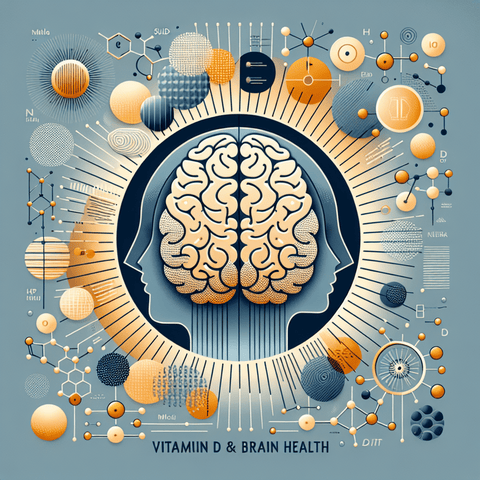
Brain Function and Vitamin D3: What You Need to KnowBrain function depends on coordinated processes including memory, reasoning, sensation, movement, language, emotions, and autonomic control. These activities rely on complex neural networks and chemical signaling, where nutrients can influence overall efficiency and health. Vitamin D3, also known as cholecalciferol, interacts with receptors in the brain to influence neural activity. It may support brain function by aiding neurotransmitter synthesis, such as serotonin for mood regulation, and promoting brain plasticity for learning and memory. Studies suggest that adequate Vitamin D3 levels are associated with better cognitive performance and may help reduce neuroinflammation and oxidative stress, which are linked to age-related decline. However, more research is needed to fully understand these mechanisms.Signs of Poor Brain Function and How to Improve ItOccasional mental lapses are normal, but persistent issues may indicate underlying factors. Common signs include frequent memory lapses, difficulty concentrating or focusing, mood swings or emotional instability, mental fog or confusion, and neurological symptoms like headaches or dizziness. If these signs are severe or persistent, it's important to consult a healthcare professional for personalized advice. Maintaining optimal brain function involves a holistic approach. Key drivers include adequate sleep for neural repair, balanced nutrition with essential vitamins and minerals, regular physical exercise to boost blood flow, stress management techniques, social engagement, and minimizing toxin exposure. Nutritionally, Vitamin D3 is one factor that may support neural communication and protect against oxidative stress, working alongside other nutrients like Omega-3 fatty acids.Practical Tips for Supporting Brain Health with Vitamin D3To support brain function effectively, start by assessing your Vitamin D3 status through blood testing with a healthcare professional. Choose reputable supplements that ensure potency and purity, and consider forms with added Vitamin K2 for enhanced calcium metabolism. Pair Vitamin D3 with brain-boosting habits like regular exercise, a nutrient-rich diet, and quality sleep. Dosage recommendations vary, so follow medical advice to avoid risks like toxicity from excessive intake. Incorporating Vitamin D3 into your routine, alongside stress management and physical activity, can contribute to overall mental wellness. By understanding brain function and incorporating nutrients like Vitamin D3 into a healthy lifestyle, you can take proactive steps toward cognitive wellness. Remember to seek personalized advice from healthcare professionals and focus on a balanced approach to unlock your brain's potential safely and effectively.
Unlocking the Power of Vitamin D3 for Enhancing Your Gut Microbiome - Topvitamine
Sep 05, 2025
Gut Health and Vitamin D3: A Powerful ConnectionGut health is fundamental to overall wellness, influencing digestion, immunity, and even mood. At the center of this system lies the gut microbiome, a community of trillions of bacteria in the intestines. While diet and probiotics are widely recognized for supporting gut health, emerging evidence points to Vitamin D3 as a key nutrient in maintaining a balanced microbiome. This article explores how Vitamin D3 supports gut health, the signs of an unhealthy gut, and practical steps to improve your digestive well-being.Signs of an Unhealthy Gut and How to Improve ItAn unhealthy gut can manifest through digestive discomfort like bloating, gas, constipation, or diarrhea, as well as food intolerances, fatigue, skin irritation, and unintended weight changes. To improve gut health, focus on a fiber-rich diet, incorporate fermented foods, stay hydrated, manage stress, prioritize sleep, and consider a Vitamin D3 supplement. A 7-day gut reset can help reinforce these habits by gradually introducing more whole foods and fermented options while emphasizing hydration and fiber.How Vitamin D3 Supports the MicrobiomeVitamin D3 helps foster a diverse gut microbiome by reducing inflammation, strengthening the intestinal barrier, and supporting immune function. These actions create an environment where beneficial bacteria can thrive. When combined with probiotics and healthy fats, Vitamin D3 may enhance probiotic absorption and overall gut balance. Always consult a healthcare provider before starting supplements, especially if you have underlying health conditions.
Healthy Origins Vitamin D3 Softgels: Best Choice for Bone & Immune Health - Topvitamine
Jul 05, 2025
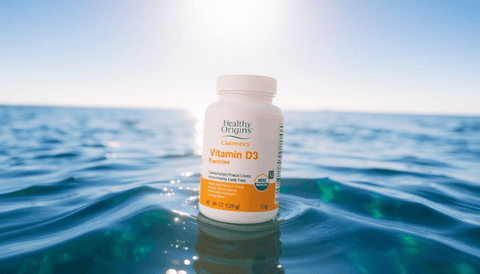
Discover how to choose the best vitamin D3 softgels for your needs. This guide compares key factors like form, dosage, purity, and brand transparency, and explains why Healthy Origins Vitamin D3 softgels are a popular choice for supporting bone health and normal immune function. Learn practical selection tips, dosing guidance, and safety considerations.

Vitamin D3, also known as cholecalciferol, is a fat-soluble nutrient that plays a fundamental role in numerous bodily functions. While often grouped with vitamins, it functions more like a hormone, influencing gene expression and cellular health across nearly every system. For many, understanding the full scope of vitamin D3 benefits goes beyond just bone health; it connects deeply to mood, immune resilience, and daily vitality. This article explores the science-backed ways vitamin D3 supports your body, explains the signs of insufficiency, helps you identify the right dietary and supplemental approaches, and guides you toward making informed decisions for long-term wellness.

What Is Vitamin D3 and Why Does It Matter?

Vitamin D exists in two main dietary forms: D2 (ergocalciferol) and D3 (cholecalciferol). The primary difference lies in their origin and the efficiency with which the body processes them. Vitamin D2 is sourced from yeast and some plants, typically used in fortified foods. Vitamin D3, on the other hand, is synthesized in the skin upon sun exposure and is inherently found in animal-based foods like oily fish.

Evidence suggests that vitamin D3 is more effective at raising and maintaining circulating levels of 25-hydroxyvitamin D—the standard marker for vitamin D status—compared to D2. D3 also appears to have a better affinity for binding proteins in the bloodstream, leading to more stable storage and utilization. This distinction matters when evaluating both dietary and supplemental strategies.

Key Vitamin D3 Benefits for Overall Health

Bone and Muscle Health

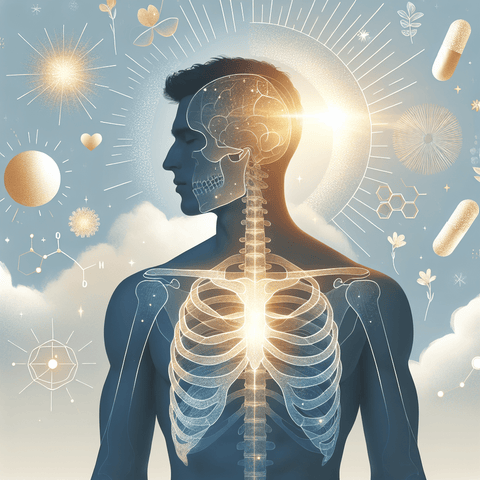
Vitamin D3 benefits are firmly anchored in musculoskeletal health. It governs the absorption of calcium and phosphorus from the digestive system into the bloodstream. Without sufficient D3, mineral deficits can lead to poor bone mineralization, increasing the risk for osteoporosis and fractures, especially in older populations. Muscular strength is also regulated by the vitamin D receptor, and a lack of D3 may contribute to age-related muscle loss, which can impact stability and increase the risk of falls. Vitamin D3 therefore acts as a crucial support for bone density and muscle function.

Because vitamin D works so closely with other nutrients, many individuals incorporate calcium supplements alongside their vitamin D intake, as the two minerals work together to support bone density and muscle strength.

Immune System Support

One of the most significant vitamin D3 benefits is its role in supporting the normal function of the immune system. Immune cells, including T-cells, B-cells, and macrophages, express the vitamin D receptor. When vitamin D binds to these cells, it influences the immune response by promoting proteins with antimicrobial properties. This support is not about curing a cold but about supporting a regulated and dynamic immune response.

Mood and Daily Energy

Vitamin D receptors are highly concentrated in areas of the brain involved in mood development, including the hippocampus. Vitamin D is also involved in the metabolism of serotonin, a neurotransmitter that stabilizes mood. While low vitamin D is not the sole cause of depression, research indicates that maintaining an adequate level may support healthy mood balance. Additionally, persistent fatigue is among the most reported symptoms of vitamin D insufficiency. Restoring vitamin D status in deficient individuals may improve general physical vitality.

Common Signs of Vitamin D Insufficiency

Vitamin D insufficiency is a global nutritional issue, yet its vague symptoms are often dismissed. Being aware of them is necessary, but a diagnosis always requires blood testing—symptoms alone do not tell the whole story. Some signs that may indicate a need to check your vitamin D levels include:

  • Persistent fatigue or weakness that isn't solved by sleep
  • Frequent illness or slow recovery from infections
  • Low mood, especially during seasons with less sun exposure
  • Bone or muscle aches and pain

These symptoms overlap with other conditions like hypothyroidism and B12 deficiency. Therefore, a lab test measuring 25(OH)D in nmol/L or ng/mL is the only responsible method to assess your status.

Factors That Influence Vitamin D3 Requirements

Sun Exposure and Geography

Living at latitudes above the 37th parallel yields UV-B light that is insufficient for several months during autumn and winter. Even if you spend time outdoors, the angle of the sun means UVB rays fail to trigger cholesterol conversion into vitamin D3. Strict indoor work cultures and frequent sunscreen use further limit effective sun exposure.

Age, Skin Tone, and Body Weight

The skin's capacity to create cholecalciferol from sunshine decreases with aging. Pigmented skin protects against UV but also reduces the capacity for natural synthesis. Additionally, vitamin D is fat-soluble, and in individuals with higher body mass index, particularly visceral stores, the D3 can be held in fat cells instead of being bioavailable. These factors mean that one-size-fits-all recommendations are rarely adequate.

Dietary Intake and Digestive Health

Very few foods naturally contain vitamin D3. Fatty fish, fish liver oils, and egg yolks are the main exceptions. Since vitamin D is fat-soluble, its absorption depends on healthy fat assimilation. Conditions like Celiac, Crohn's, or inflammatory bowel disease can compromise gut mucosa and disturb the absorption of vitamin D.

Sources of Vitamin D3: Sunlight, Food, and Supplements

Natural Food Sources

Only a handful of food items naturally contain significant amounts of vitamin D3. These include:

  • Salmon, sardines, herring, and canned tuna
  • Egg yolks from pasture-raised birds
  • Fortified dairy products, soy milk, and orange juice

Sensible Sun Exposure

Spending 10–30 minutes in midday summer sunlight with arms and legs exposed can trigger significant vitamin D production. However, the body regulates this process and will stop contributing once a limit is reached. It is important to balance sun exposure with skin cancer prevention, avoiding sunburn while gaining the benefits of vitamin D synthesis.

Vitamin D3 Supplements

For many people, achieving adequate vitamin D3 levels through sun and diet alone is challenging, particularly during winter months or for those with indoor lifestyles. Supplements offer a practical way to bridge this gap. Both D2 and D3 are available in supplement form; however, studies show that D3 is more effective at raising and maintaining blood levels. Many individuals turn to natural supplements to understand how to support their overall wellness.

For those interested in broader general wellness, vitamin D3 is often found as part of multivitamin formulas designed to fill gaps in a daily diet.

Dosage Considerations and Safe Supplementation

The appropriate vitamin D3 dosage varies significantly from person to person. While general daily intake recommendations exist, individual requirements are influenced by factors such as sun exposure, skin tone, body weight, and genetic variations. It is important to be aware of the differences between International Units (IU) and micrograms (mcg), where 1 mcg is equal to 40 IU.

For general wellness support, many adults consider modest daily doses. However, the Tolerable Upper Intake Level (UL) for adults is set at 4,000 IU (100 mcg) per day from foods and supplements. This is not a recommended target but a safety limit. Taking excessively high doses of vitamin D3 over time can lead to vitamin D toxicity, a condition called hypercalcemia, which involves calcium deposits in soft tissues and can lead to kidney stones.

It is essential to consult with a healthcare professional to determine the appropriate dosage for your individual needs, especially if you have tested low or have a condition that affects vitamin D metabolism.

Choosing the Right Vitamin D3 Supplement

When selecting a vitamin D3 supplement, several factors can influence both effectiveness and your experience:

  • Form: Softgels and oil-based drops are traditional, while sprays offer convenience. Tablets are also available but may require dietary fat for optimal absorption.
  • Dosage clarity: Check the label for the exact amount per serving (e.g., 1000 IU or 5000 IU per softgel).
  • Combination formulas: Some products combine D3 with vitamin K2, which is thought to help direct calcium to bones, or with magnesium, which is involved in the activation of vitamin D.
  • Purity and testing: Look for products that have been independently tested by third-party organizations for quality and purity.
  • Dietary preferences: For vegans and vegetarians, algae-based vitamin D3 derived from lichen is an effective plant-based source, as traditional D3 is often sourced from lanolin (sheep's wool).

Interactions and Safety Precautions

Vitamin D3 can interact with certain medications. For instance, some cholesterol-lowering drugs, weight-loss drugs like Orlistat, and corticosteroids may interfere with vitamin D absorption or metabolism. It is particularly important to discuss vitamin D supplementation with a healthcare provider if you are taking medications such as diltiazem (a calcium channel blocker) or thiazide diuretics, as they can affect calcium levels.

If you have conditions such as sarcoidosis, hyperparathyroidism, or a history of kidney stones, it is essential to consult a health practitioner before supplementing. The information provided here is educational and not a substitute for personalized medical advice.

Exploring the Topic Further

Vitamin D3 is a topic with many dimensions, from its specific benefits to its different forms and potential interactions. For the body to function at its best, vitamin D works in concert with other essential nutrients. You can explore how vitamin D fits into a broader approach to wellness by reading about related topics like calcium and multivitamins. Understanding how these components work together helps in making informed decisions for your long-term health.

For a deeper dive into maintaining healthy bones and muscles, explore our guide on calcium and bone health.