What Is Vitamin D and Why Does It Matter?
Vitamin D, often called the sunshine vitamin, is a fat-soluble nutrient that your body produces when skin is exposed to ultraviolet (UV) rays from sunlight. It is also found in certain foods and available as a dietary supplement. Vitamin D is essential for maintaining strong bones because it helps your body absorb calcium and phosphorus—two minerals that are critical for bone density and strength.
Beyond skeletal health, vitamin D supports immune function, helping your body respond effectively to seasonal challenges. Many people have low levels, especially during winter or when sun exposure is limited. This guide explains what vitamin D does, how to identify a deficiency, which foods are rich in this nutrient, and practical ways to maintain healthy levels safely.
What Does Vitamin D Do for the Body?
Vitamin D primarily works by promoting calcium absorption in the intestines and maintaining healthy serum calcium and phosphate concentrations. These processes are necessary for bone mineralization, which keeps your skeleton strong. Vitamin D also influences immune function by supporting the pathogen-fighting effects of immune cells, helping your body respond to respiratory infections and other seasonal threats.
There are two main forms of vitamin D: vitamin D2 (ergocalciferol) from fungi, and vitamin D3 (cholecalciferol) from animal sources. Vitamin D3 is more effective at raising and maintaining blood levels of 25(OH)D. Your skin synthesizes vitamin D3 when exposed to UV rays from sunlight, which is why it is known as the sunshine vitamin.
Which Foods Are Rich in Vitamin D?
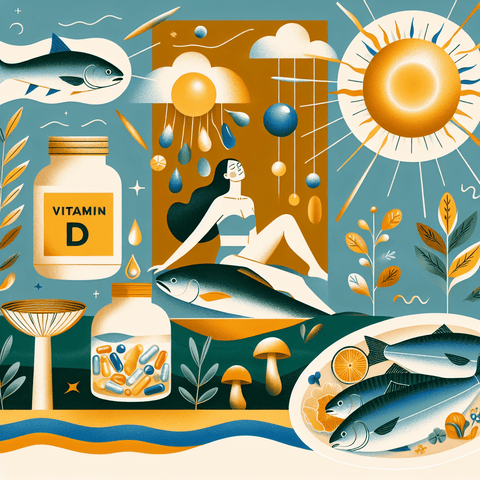
Sunlight is the most natural source of vitamin D, but many people do not get enough sun exposure, especially during winter months. Fortunately, several foods contain vitamin D to help close the gap.
- Fatty fish such as salmon, mackerel, and sardines
- Egg yolks from pasture-raised chickens
- Fortified dairy products, plant milks, and breakfast cereals
- Cod liver oil and other fish oils
- UV-exposed mushrooms
While food sources contribute to your daily intake, obtaining sufficient vitamin D from diet alone can be challenging. Combining food intake with sensible sun exposure and, when needed, high-quality supplementation is often the most practical approach.
What Are the Symptoms of Low Vitamin D?
Symptoms of vitamin D deficiency are often subtle and can overlap with other conditions. Common signs include fatigue, bone and muscle discomfort, reduced physical performance, and mood changes. Some people also notice slower wound healing or more frequent infections.
These symptoms alone do not confirm a deficiency, because many other health issues can cause similar signals. The most accurate way to assess your status is a blood test measuring serum 25(OH)D levels.
Who Is at Higher Risk of Deficiency?
- Older adults with thinner skin and reduced synthesis ability
- People with limited sun exposure, such as those living in northern latitudes
- Individuals with darker skin whose pigment reduces vitamin D production
- Pregnant and breastfeeding women
- People with obesity, who may have lower bioavailability of vitamin D
- Those with malabsorption conditions such as celiac or Crohn's disease
How to Test Your Vitamin D Status
The standard test for vitamin D status is a blood measurement of serum 25-hydroxyvitamin D, or 25(OH)D. Results are expressed in nanograms per milliliter (ng/mL) or nanomoles per liter (nmol/L).
- Below 20 ng/mL (50 nmol/L) is generally considered deficient
- 20–30 ng/mL is often classified as insufficient
- Optimal levels are commonly cited between 30–50 ng/mL
Testing is particularly valuable for people with risk factors, persistent symptoms, or conditions affecting vitamin D metabolism. A healthcare professional can help interpret results and guide your next steps.
Bone and Immunity Benefits of Vitamin D
How Vitamin D Supports Skeletal Health
Vitamin D ensures your intestines absorb enough calcium to support bone mineralization. Without adequate vitamin D, your body cannot maintain healthy bone density, which raises the risk of osteoporosis and fractures, especially in older adults. Severe deficiency can lead to osteomalacia, a condition where bones become soft and weak.
Vitamin D works together with calcium and magnesium to maintain skeletal strength. Many high-quality bone-support supplements include these nutrients in combination. For a closer look at products that combine these minerals, you can explore the calcium supplement category or the magnesium supplement range.
Vitamin D and Immune Function
Research indicates that vitamin D modulates immune responses, enhancing the pathogen-fighting abilities of immune cells. Adequate levels are associated with a lower risk of respiratory infections, which is particularly relevant during autumn and winter when sun exposure—and vitamin D production—declines. While vitamin D is not a cure or preventive treatment, maintaining sufficient levels supports your immune system's normal function.
How Much Vitamin D Should You Take Daily?
The recommended daily allowance (RDA) for vitamin D varies by age and health status. Most adults need between 600–800 IU per day, but individuals with a confirmed deficiency may require higher doses under medical supervision.
- Infants (0–12 months): 400 IU/day
- Children and adolescents: 600 IU/day
- Adults up to 70 years: 600 IU/day
- Adults over 70 years: 800 IU/day
- Pregnant and breastfeeding women: 600 IU/day
These figures represent general guidelines. Testing can help you tailor your intake to your specific needs. Healthcare providers may recommend higher doses for a short time to correct a deficiency, followed by a maintenance dose.
How to Increase Your Vitamin D Levels Safely
Sensible Sun Exposure
Spending 15–20 minutes outdoors in direct sunlight a few times a week can help your skin produce vitamin D. The exact time depends on your location, skin tone, and the season. People with darker skin may need longer exposure, while fair-skinned individuals should start with shorter periods to avoid sunburn.
Dietary Adjustments
Including vitamin-D-rich foods in your daily meals is a reliable way to support healthy levels. Fatty fish twice a week, fortified dairy or plant milk, and egg yolks all contribute to your total intake. If your diet is limited due to allergies or preferences, a high-quality supplement is a practical alternative.
Choosing the Right Supplement
When selecting a vitamin D supplement, prioritize vitamin D3 over D2 because it is absorbed more efficiently and maintains blood levels longer. Consider factors such as dosage, purity, third-party testing, and delivery format. On Topvitamine, you can browse the vitamin D supplement selection to compare formulations and find a product that fits your needs.
Supplements That Work Well With Vitamin D
Vitamin D does not work alone. Its effectiveness is enhanced by several other nutrients that support bone density and immune health.
- Calcium: combines with vitamin D to support bone mineralization
- Magnesium: activates vitamin D and supports muscle and nerve function
- Vitamin K2: helps direct calcium to bones rather than soft tissues
A multivitamin supplement guide can help you understand how these nutrients interact and whether a combined formulation is a good fit for your routine.
Safety, Side Effects, and Monitoring
Vitamin D is generally safe when taken at recommended doses. However, excessive intake over time can lead to toxicity, causing hypercalcemia—elevated calcium levels in the blood—which may lead to nausea, weakness, and kidney problems.
To avoid toxicity, follow the upper intake limits and do not exceed 4,000 IU per day without medical supervision. If you are taking vitamin D alongside other supplements or medication, such as diltiazem for heart conditions, speak with your doctor first to avoid potential interactions.
Why Testing Matters Before Supplementing
Symptoms alone do not reliably indicate deficiency because fatigue, bone pain, and mood changes can stem from other causes. A blood test gives you a baseline, so you can choose an appropriate supplement dose and later confirm improvement. Routine monitoring and follow-up testing prevent both under- and over-supplementation.
Key Takeaways
- Vitamin D is crucial for calcium absorption, bone density, and immune function.
- Sunlight, fatty fish, fortified foods, and supplements are the primary sources.
- Symptoms of deficiency are non-specific—testing 25(OH)D levels is essential.
- Most adults need 600–800 IU daily, but individual requirements vary.
- Vitamin D3 is generally better absorbed than D2.
- Combining vitamin D with calcium, magnesium, and vitamin K2 supports bone health.
- Always consult a healthcare provider before starting a new supplement, especially at higher doses.
Frequently Asked Questions About Vitamin D
Can vitamin D be taken with diltiazem?
Vitamin D may interact with diltiazem, a calcium-channel blocker used for heart conditions. High-dose vitamin D can increase calcium levels, which may interfere with the effects of this medication. Speak with your doctor or pharmacist before combining vitamin D supplements with diltiazem.
How long does it take to correct a vitamin D deficiency?
With adequate supplementation, most people see improved 25(OH)D levels within 8–12 weeks. The exact timeline depends on the starting level, dosage, and how consistently you take the supplement. Follow-up testing helps confirm your status.
Can you get enough vitamin D from food alone?
While some foods contain vitamin D, it is difficult to meet your daily needs through diet alone. Fatty fish and fortified products help, but most people benefit from a combination of food, sunlight, and supplementation.
Is vitamin D supplementation safe?
When taken at recommended doses, vitamin D supplements are safe for most people. Exceeding 4,000 IU daily over long periods can cause toxicity. Always follow dosing guidance from a healthcare provider.
How does sunlight exposure affect vitamin D levels?
Sunlight triggers vitamin D synthesis in your skin. Factors like geographic latitude, season, skin tone, and time of day influence how much vitamin D your body can produce. A short daily walk in the sun is often enough to maintain adequate levels during summer.
Final Thoughts and Next Steps
Vitamin D plays a fundamental role in bone health and immune function, yet many people fall short of optimal levels. Rather than guessing, start by assessing your personal risk factors, talking to a healthcare professional, and considering a blood test to guide your choices. From there, you can adjust your sun exposure, diet, and supplement routine accordingly.
When you are ready to choose a supplement, prioritize trusted products with clear labeling and third-party testing. On Topvitamine, the vitamin D category offers a range of formulations to suit different needs. Pair your supplement choice with a balanced approach that includes calcium, magnesium, and vitamin K2 for comprehensive bone support.
Remember that general information like this is not a replacement for personalized medical advice. If you have symptoms, health conditions, or take prescription medication, consult your doctor before starting any nutritional supplement.