
Fast, accurate vitamin deficiency tests provide a clear picture of nutrient gaps and help guide personalized care. Designed for speed and precision, these tests yield reliable results you can act on, enabling timely planning and coordinated next steps with your care team. From sample collection to reporting, the process is streamlined and standardized. Samples are collected using convenient methods and analyzed in accredited laboratories with rigorous quality controls. The resulting reports highlight identified gaps and include contextual notes to support a tailored care approach. With vitamin deficiency tests, you receive reliable results and actionable steps that are tailored to your results and lifestyle. The guidance focuses on translating findings into practical next steps, discussions with a clinician, and ongoing monitoring to track progress over time. Learn more about vitamin deficiency tests and how they identify nutrient gaps to guide personalized care. Discover turnaround times, reporting formats, and how to get started with a test that fits your needs.
Vitamin Deficiency Tests: Fast, Accurate Screening
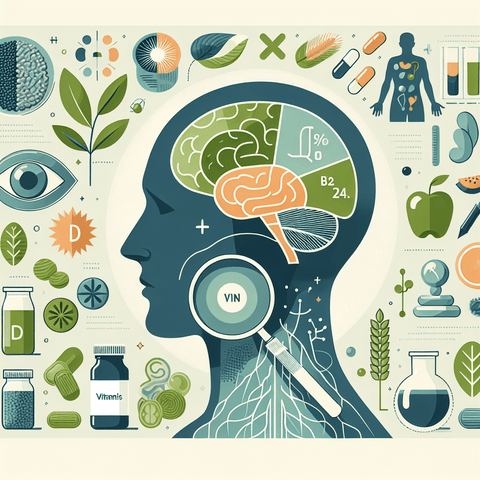
How to Know If You Need Vitamins: Recognizing the SignsKnowing whether you need vitamins starts with paying attention to your body. Persistent fatigue, low energy, hair loss, brittle nails, mood changes, and frequent infections can all point to possible nutrient gaps. These symptoms may relate to deficiencies in vitamin D, B12, iron, magnesium, or other essential nutrients. While a balanced diet is the best foundation, modern lifestyles and dietary restrictions often leave room for improvement. Recognizing consistent patterns and understanding your personal risk factors helps you decide whether supplementation might be necessary.Steps to Assess Your Nutritional StatusTo assess your nutritional status, start by keeping a one-week diet log to evaluate how many fruits, vegetables, whole grains, and proteins you consume. Consider lifestyle factors such as smoking, alcohol use, stress, and medications, since these can deplete nutrients. If you follow a vegan or vegetarian diet, or you are pregnant, breastfeeding, or older, your needs may be higher. Professional blood tests, including vitamin D, B12, iron, and magnesium levels, remain the gold standard for confirming a deficiency. Talk to a healthcare provider before starting any long-term supplement plan.Choosing Supplements Wisely and Next StepsOnce you identify a genuine need, choose high-quality supplements from reputable brands that use bioavailable forms and avoid unnecessary fillers. Be cautious with fat-soluble vitamins like A, D, E, and K, because excessive intake can be toxic. The best approach is to combine dietary improvements with targeted supplementation, only when validated by testing or professional advice. Start by consulting your healthcare provider and tracking your symptoms—this gives you a clear picture of your individual needs and supports safe, informed decisions.