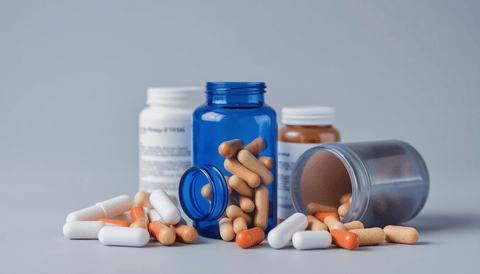
Understanding vitamin expiration dates is crucial for anyone using nutritional supplements. This article will delve into how to discern the safety and effectiveness of your vitamins, discussing various factors such as expiration dates, signals of potency loss, storage practices, and when it might be time to discard your supplements. Knowing these details is vital for making informed choices, particularly for readers shopping on Topvitamine.com. With clear and authoritative information, you can ensure your supplementation strategy supports your health effectively.
Core explanation: what vitamin expiration dates actually signal
How expiration dates are determined: stability testing and shelf-life estimates
Expiration dates are established through rigorous stability testing in controlled laboratory settings. Manufacturers conduct these tests to determine how long a product maintains its potency and effectiveness under specific storage conditions. Typically, this involves monitoring chemical stability and biological activity over time to predict when active ingredients may degrade.
Distinguishing expiration from best-by/lot numbers: what each label means
It's essential to differentiate between expiration dates and best-by dates, as well as lot numbers. An expiration date signals the final date for safe consumption, while a best-by date indicates the period during which the product will retain optimal flavor or potency, although it may still be safe to consume post-date. Lot numbers assist manufacturers in tracking production runs for quality control.
Potency vs. safety after the labeled date: what changes—and what doesn’t
After the labeled date, the safety of a supplement is not always compromised immediately, but potency may decline. Some vitamins, especially water-soluble ones like vitamin C and several B vitamins, may lose efficacy more quickly than fat-soluble vitamins such as A, D, E, and K. However, the exact timeframe can vary greatly between products and formulations.
How degradation differs by nutrient and formulation
Vitamin degradation is not uniform across all nutrients. Water-soluble vitamins tend to degrade faster than their fat-soluble counterparts, and how these vitamins are formulated—whether in liquids, capsules, or gummies—can significantly affect their stability. For example, liquids may be more susceptible to degradation than solid forms. Minerals, especially in chelated forms, generally have a longer shelf life and are less prone to degradation.
Practical implications for common supplement types
- Tablets: Generally stable when stored properly, but may degrade under conditions of humidity and temperature.
- Capsules: Often better protected than tablets due to their gelatin coat but still sensitive to heat and moisture.
- Softgels: These can be more susceptible to oxidation, particularly those containing oils.
- Gummies: May have added sugars or gelatin that could influence their shelf life; moisture can lead to sticky clusters.
- Powders: Can be sensitive to moisture and should be stored in a cool, dry place.
- Liquids: Generally have shorter shelf lives and should be tightly sealed and stored away from light.
Why this topic matters for health, potency, and daily routines
The link between potency, bioavailability, and actual nutrient intake
Understanding vitamin expiration is crucial as it directly relates to the bioavailability—the degree and rate at which active ingredients or active moieties are absorbed and become available at the site of action. If a vitamin’s potency declines, the nutrient intake may not meet the intended health benefits, potentially leaving gaps in nutritional status.
Potential risks of continuing to use degraded supplements
Using degraded supplements can lead to ineffective dosages, which may overlook nutritional deficiencies or health concerns. This could particularly impact individuals relying on supplements for essential nutrients due to dietary restrictions or specific health conditions.
Form-specific considerations: coatings, moisture sensitivity, heat sensitivity, and light exposure
Different forms of vitamins have unique vulnerabilities. For instance, coated tablets may be better protected from moisture, while uncoated forms may be more prone to degradation from heat and light exposure. Understanding these factors helps consumers store their supplements appropriately.
The impact of expiration dates on cost, waste, and shopping behavior
Awareness of expiration dates encourages smarter purchasing and storage practices, reducing waste and costs. Consumers are more likely to prioritize buying supplements with clear expiration information and practices that maximize longevity, such as selecting products based on potency and expiration cycles.
Related symptoms, signals, or health implications to watch for
Signals that a supplement may be degraded or ineffective
Changes in a supplement's taste, odor, texture, or color can indicate degradation. For instance, clumping in powder forms or separation in liquid supplements may suggest that the product is no longer effective. Regularly inspecting vitamins can aid in ensuring consumption of quality products.
Symptoms that could reflect nutrient gaps or imbalances
It’s important to recognize that symptoms of potential nutrient gaps or imbalances do not always stem from product quality issues. Factors such as poor absorption, gastrointestinal health, or external stressors, can influence nutrient status significantly.
When to suspect a deficiency or a non-dietary cause and seek professional input
If you frequently feel fatigued, experience mood changes, or notice other health shifts, it may be essential to consult a healthcare professional. They can assess your dietary intake and health needs and suggest if supplementation adjustments may be necessary.
Individual variability and uncertainty: why there’s no one-size-fits-all rule
How storage conditions alter shelf life
Storage conditions can significantly impact the shelf life of vitamins. Heat, humidity, and light exposure should be minimized to preserve potency. Products stored in their original packaging in cool, dry places generally fare better over time.
Brand formulation differences, packaging integrity, and excipients matter
Different brands may use diverse formulations and excipients, which can affect how nutrients retain potency. Packaging integrity matters, as well—damaged containers can expose products to moisture and air, accelerating degradation.
Personal factors that influence perceived effects
Individual factors, including age, gut health, current medications, and chronic illnesses, can impact how well your body utilizes supplements. What works for one person may not have the same effect for another, underscoring the importance of personalized strategies.
The reality of uncertainty: why even unexpired products may vary in potency across lots
Even within the same product line, variability can exist between batches. Factors like production conditions and ingredient sourcing can lead to differences in potency. This underscores the need for consistent quality checks and independent testing.
Why symptoms alone do not reveal the root cause
The multi-factor nature of nutrient status
Nutrient status is influenced by multiple interconnected factors, including intake levels, absorption rates, metabolism, and overall utilization by the body. It’s essential to assess these areas comprehensively rather than solely relying on symptom observation.
Distinguishing between deficiency symptoms, poor absorption, and product quality issues
Symptoms alone can be misleading. Many signs of nutrient deficiencies might arise from poor absorption due to digestive issues, rather than product quality. A thorough evaluation is necessary to pinpoint root causes accurately.
The limitations of self-diagnosis and the value of objective checks
Self-assessment has limitations; this is where consulting healthcare professionals becomes invaluable. They can provide objective assessments using lab tests to identify nutrient levels and absorption efficiency, ensuring a more tailored nutritional approach.
The role of nutritional supplements in this topic
How supplements fit into a broader nutrition plan
Supplements are designed to complement, not replace, a balanced diet. A food-first approach is generally recommended, with supplements filling specific gaps, especially for those with dietary restrictions or increased nutrient needs.
When it’s reasonable to rely on supplements to address gaps
Supplements can be particularly beneficial for individuals who may struggle to obtain adequate nutrients from food alone, such as pregnant women, the elderly, or those with specific dietary limitations. Identifying personal needs is vital for efficient supplementation.
Quality standards to look for
Consumers should seek out nutritional supplements that meet high-quality standards. Look for third-party testing certifications (such as USP or NSF), transparent labeling practices, and solid expiration policies that assure product effectiveness and safety.
The nuance of safety, not merely potency
Quality should encompass both safety and efficacy. Consumers should also be mindful of potential allergens, additives, and interactions with other medications when selecting supplements. A holistic view of product safety helps mitigate risks.
How nutritional supplements could support safe and effective use
Strategies to maximize potency and safety
To ensure maximum potency and safety, store supplements in a cool, dry place, protecting them from moisture, heat, and light. Maintaining the integrity of packaging is also crucial for prolonging shelf life.
Stock management
Implementing a stock management system, such as using the oldest products first and regularly checking expiration dates, can minimize waste. By keeping track of what you have, you can reduce the risk of consuming expired products.
Verifying quality and potency beyond the label
To ensure product reliability, consumers should investigate batch testing results, read certificates of analysis, and remain informed about brands. Engaging with reputable companies that provide transparency about ingredient sourcing and testing practices supports informed decisions.
Disposal and safe handling of expired products
Proper disposal of expired products is essential. Follow local regulations for disposing of supplements and consider returning them to pharmacies or designated disposal locations if available. Avoid flushing them to prevent environmental contamination.
Decision-support: when nutritional supplements make sense
A step-by-step decision guide to assess whether to keep or replace a supplement
To evaluate whether to keep or replace a supplement, consider the expiration date, any noticeable changes in product consistency or smell, storage conditions, and personal nutritional needs. This systematic approach can clarify whether it’s worth retaining.
Scenarios by life stage or risk profile
Different life stages or risk profiles will dictate supplementation. Individuals who are pregnant, elderly, or managing chronic conditions may have distinct requirements. Consulting healthcare professionals can assist in tailoring individual supplementation strategies based on these factors.
When to consult a clinician or registered dietitian
Whenever you're unsure about supplementation, especially related to health conditions, consulting a healthcare provider or registered dietitian is highly recommended. They can provide tailored advice based on your specific health circumstances and dietary needs.
How to align decisions with your overall health goals
Once you assess your nutrient needs and potential gaps, consider how taking nutritional supplements aligns with your overall health goals and budget. This ensures that you make informed choices that contribute positively to your health journey.
Limitations of guessing and embracing uncertainty
The limits of expiration dates as exact potency markers
While expiration dates serve as useful guides, they are not definitive indicators of a product's remaining potency. Many factors influence a supplement's efficacy post-expiration, and individual experiences can vary.
Brand-to-brand variability and formulation differences that affect potency
Each brand's formulation and ingredients may differ considerably, leading to variability in potency. Consistency in ingredient sourcing and manufacturing processes will heavily influence the effectiveness of nutritional supplements.
How to take an evidence-based approach
Establish a practice of relying on available data, lab information, and verification of labeling when evaluating nutritional supplements. This methods-based approach promotes better-informed choices over guesswork.
Practical ways to validate claims
Look for independent testing, manufacturer transparency, and certifications on supplements. These criteria can guide you toward reliable options, reducing the risks associated with degraded products.
Conclusion: connecting the topic to buying nutritional supplements on Topvitamine.com
Why Topvitamine.com is relevant for thoughtful, quality-focused shoppers
For informed shoppers seeking quality supplements, Topvitamine.com provides a selection that emphasizes expiration transparency, quality controls, and third-party verification. Making knowledgeable choices can help ensure you receive the benefits of effective supplementation.
What to look for on Topvitamine
Search for vitamins and minerals with clear expiration data. Look for products with third-party testing, ensuring quality and potency. Responsive support also enhances the overall shopping experience, enabling you to make informed decisions.
Next steps on Topvitamine
As you navigate potential products, utilize filtering tools on Topvitamine to find reputable vitamins and minerals that suit your individual needs. Consider options based on nutrient type, form, and specific storage requirements to simplify your choice.
Final takeaway
Understanding vitamin expiration dates and the factors influencing the potency of your supplements sets the foundation for safe and effective supplementation. By staying informed, you can make smarter health choices that optimize your wellness journey.
Key Takeaways
- Check expiration dates and condition for efficacy and safety.
- Understand the differences between expiration, best-by, and lot numbers.
- Recognize that the potency of supplements can decline post-expiration.
- Monitor changes in color, smell, or texture as signals of degradation.
- Be aware of personal, environmental, and formulation factors affecting absorption.
- Consider third-party testing for product quality assurance.
- Utilize systematic approaches for inventory and stock management.
- Seek professional guidance for tailored nutritional advice.
- Store supplements correctly to maximize potency and shelf life.
- Be mindful of symptoms, distinguishing between deficiency and absorption issues.
FAQs
How long do vitamins remain potent after the expiration date?
The potency of vitamins after their expiration date varies by the type of vitamin and the storage conditions. Many vitamins may still retain some potency for a short time after the expiration date, but efficacy cannot be guaranteed.
Is it safe to take expired vitamins?
While expired vitamins may not be harmful, their effectiveness is often diminished. If a vitamin has significantly expired, it's generally advised to discard it and replace it with a new product.
How should I store vitamins to maximize shelf life?
To maximize shelf life, store vitamins in a cool, dry place away from moisture, heat, and direct light. Keeping them in their original packaging can also help protect against degradation.
What indicates a vitamin needs replacement over reuse?
Signs that a vitamin needs replacement include changes in color, odor, or texture, as well as visible clumping in powders or separation in liquids. If in doubt, it's safer to replace rather than reuse.
Can you rely solely on supplements for nutrition?
While supplements can aid in addressing nutritional gaps, a balanced diet rich in whole foods is essential for overall health. Supplements should complement, not replace, healthy eating habits.
What are the best practices for using nutritional supplements?
Best practices include following recommended dosages, monitoring expiration dates, storing products correctly, and being aware of any potential dietary interactions with medications.
How often should I check my supplements?
Regularly check your supplements every few months, particularly looking for expiration dates and assessing quality by visual inspection. This ensures you are not consuming expired or degraded products.
Are natural supplements better than synthetic ones?
The effectiveness of natural versus synthetic supplements can vary based on individual absorption rates and specific formulations. It's essential to choose high-quality products regardless of their source.
Can I take multiple supplements at once?
Taking multiple supplements is generally safe, but it's important to be aware of potential nutrient interactions and cumulative dosages. Consulting a healthcare provider can help tailor the right regimen for you.
How can I ensure the supplements I take are safe?
To ensure the safety of supplements, choose products that undergo third-party testing, verify labels for transparency, and consult healthcare professionals for tailored recommendations.
Keywords
vitamin expiration dates, nutritional supplements, potency, safety, bioavailability, nutrient intake, storage practices, signals of degradation, health implications, dietary sources.