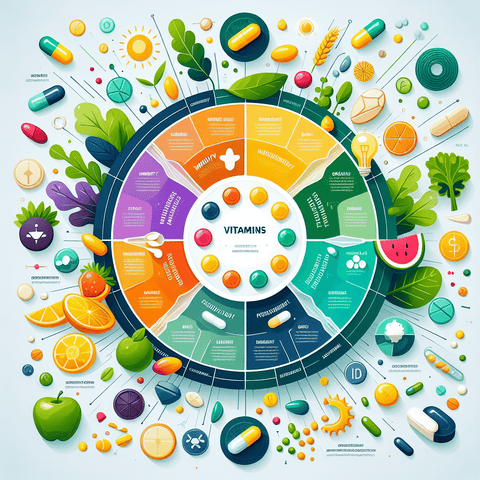
Vitamin Functions Infographic: A Visual Guide to Essential Vitamins and Their Health Benefits
Understanding the Vitamin Functions Infographic
The vitamin functions infographic is a crucial resource for comprehending the role of essential vitamins in maintaining good health. Vitamins are organic compounds that the body requires for numerous functions, including energy production, immune support, and hormone regulation. They are categorized into two groups: fat-soluble vitamins (A, D, E, K), which are stored in the body's fatty tissues, and water-soluble vitamins (B-complex, C), which need regular consumption to prevent deficiencies.
Why Vitamins Matter for Health
Understanding the health implications of vitamins is vital, as deficiencies can lead to various health issues, such as weakened immunity or impaired energy metabolism. For example, vitamin D is crucial for bone health and immune function, while vitamin C acts as a powerful antioxidant.
Personalized Nutrition Strategies
Given individual variability in nutrient requirements, personalized strategies are important for maintaining optimal health. Assessing vitamin levels through periodic testing can help identify deficiencies that may not present obvious symptoms. By leveraging the insights from the vitamin functions infographic, individuals can make well-informed dietary choices.
Maximizing Health with Smart Supplementation
In situations where dietary gaps exist, nutritional supplements can be beneficial. A well-rounded diet rich in vitamins, complemented by quality supplements if necessary, provides a comprehensive approach to health, ensuring that you meet your specific nutrient needs effectively.
Vitamins are essential micronutrients that play critical roles in maintaining good health. Understanding their functions can significantly impact our well-being and vitality. In this article, we present the vitamin functions infographic, a visual guide designed to help readers grasp the importance of each vitamin, their health benefits, and tips for incorporating them into their diets. You'll learn about the various vitamins, their roles, the consequences of deficiencies, and when nutritional supplements may be necessary to support your health.
Core explanation of the topic
Defining vitamins: essential micronutrients and their broad roles
Vitamins are organic compounds essential for numerous bodily processes, from energy production to immune function. They support various biochemical pathways necessary for optimal health. Each vitamin contributes uniquely, influencing processes such as metabolism, cellular repair, and hormone regulation. Without adequate vitamins, the body cannot function efficiently, leading to a range of health issues.
Fat-soluble vs. water-soluble vitamins: absorption, storage, and daily needs
Vitamins are categorized into two main groups: fat-soluble and water-soluble. Fat-soluble vitamins (A, D, E, K) are absorbed with dietary fats and stored in the body's fatty tissues and liver. Water-soluble vitamins (B-complex and C) are not stored in significant amounts and must be consumed regularly as excess is excreted through urine. Each vitamin has specific daily requirements, influenced by factors like age, sex, and health status.
How vitamin functions translate into everyday health outcomes
The roles of vitamins translate into tangible health outcomes. For instance:
- Vitamin A: supports vision and immune function.
- Vitamin D: is crucial for bone health and regulating calcium levels.
- B vitamins: play roles in energy metabolism and neurological function.
- Vitamin C: is an antioxidant that supports skin health and immune response.
- Vitamin K: is essential for blood clotting and bone metabolism.
The infographic approach: mapping each vitamin to its primary physiological roles
Your understanding of vitamins can be greatly enhanced through visual aids. The vitamin functions infographic visually represents each vitamin's primary roles, benefits, and food sources, allowing for quick reference and better decision-making regarding dietary choices and supplementation.
Why this topic matters
Health impact: how vitamins influence immune function, metabolism, cardiovascular health, and structural systems
Vitamins are integral to various bodily functions, affecting immune health, energy production, and cardiovascular well-being. Their roles in maintaining structural systems, like bones and skin, underscore the importance of a well-rounded diet rich in these micronutrients. For example, deficiencies in certain vitamins can lead to weakened immunity and increased susceptibility to disease.
Dietary gaps and real-world intake variability across populations
Despite their importance, many people have dietary gaps, leading to insufficient vitamin intake. This variability across populations can arise from dietary preferences, socioeconomic factors, and geographic location, highlighting the need for awareness and potential supplementation in certain groups.
Relevance across life stages: pregnancy, aging, athletes, vegetarians/vegans
Vitamins play distinct roles at different life stages. Pregnant women, for instance, require higher amounts of specific vitamins for fetal development. The elderly may struggle with absorption, leading to deficiencies. Athletes often have increased nutrient needs, and vegetarians or vegans must be mindful of vitamins like B12 that are primarily found in animal products.
Related symptoms, signals, or health implications
Common deficiency symptoms by vitamin
Recognizing the signs of vitamin deficiencies is essential for early intervention. Common deficiency symptoms include:
- Vitamin D: Fatigue, bone pain, and weakness.
- Vitamin B12: Tingling, fatigue, and memory issues.
- Vitamin C: Weakness, bleeding gums, and joint pain.
- Vitamin A: Night blindness and dry skin.
- Vitamin K: Easy bruising and bleeding.
Potential signs of excess or toxicity and safe upper intake considerations
While vitamins are essential, excess intake can lead to toxicity. For instance, high doses of fat-soluble vitamins (A, D, E, K) can accumulate in the body, causing adverse effects. It is vital to adhere to recommended guidelines and consult healthcare professionals when considering supplementation to avoid potential toxicity.
Population-specific signals: pregnancy, elderly, kids, athletes, and restricted diets
Specific populations may experience unique signs or risks related to vitamin deficiencies. For example, pregnant women need to monitor folate levels, while children often require sufficient vitamin D for growth. Athletes may show signs of B vitamin deficiencies due to increased metabolic demands, while those on restrictive diets should be vigilant about their overall intake.
Individual variability and uncertainty
Genetic differences and nutrient requirements
Individual genetic variability plays a significant role in nutrient requirements. Single nucleotide polymorphisms (SNPs) can influence how efficiently our bodies metabolize vitamins. This means that optimal intakes may vary significantly from person to person, further complicating dietary recommendations.
Absorption challenges and lifestyle factors
Factors such as gut health, medication use, and alcohol consumption can impact vitamin absorption. For example, conditions like celiac disease can impair nutrient absorption, while certain medications may interfere with the metabolism of specific vitamins, necessitating tailored dietary strategies.
Baseline status unknown: why subclinical deficiencies can exist and be hard to detect
Many individuals may experience subclinical deficiencies—levels that are inadequate but not low enough to cause overt symptoms. This can make it challenging to detect deficiencies based on symptoms alone, underscoring the importance of periodic testing for at-risk populations.
Why symptoms alone do not reveal root cause
Symptom non-specificity
Symptoms like fatigue, muscle weakness, and poor concentration are often attributed to multiple nutritional deficiencies, making it challenging to pinpoint the exact vitamin responsible. This overlap can lead to misattribution and ineffective treatment if symptoms alone are considered.
The risk of misattribution when relying on symptoms alone
When attempting to self-diagnose based on symptoms, there is a risk of overlooking underlying causes. Comprehensive assessments, including objective tests and clinician evaluations, are crucial for making informed decisions about nutritional health.
The diagnostic lift: objective tests, clinician assessment, and a holistic view of health
Clinicians can provide insight into nutrient status through laboratory testing, helping identify deficiencies or excesses. A holistic approach that considers lifestyle, diet, and genetic factors often leads to better health outcomes than solely relying on symptomatology.
The role of nutritional supplements in this topic
When supplements can be helpful
Nutritional supplements can be beneficial in particular scenarios, such as addressing gaps in dietary intake, meeting increased nutrient requirements (i.e., during pregnancy), or managing known deficiencies diagnosed by a clinician. To ensure optimal health, a targeted approach is essential.
Quality, forms, and bioavailability: how to pick effective, safe products
Supplement quality and form matter significantly. Choosing bioavailable forms of vitamins enhances absorption, while selecting reputable brands can help ensure safety and efficacy. The ingredient list and third-party testing can be indicators of quality to look for when selecting products.
Interactions and safety considerations
When considering supplements, it's vital to be aware of potential interactions between nutrients, medications, and health conditions. Consulting with healthcare providers is advised, especially while on medications or for individuals with existing health concerns.
Evidence snapshot: what has solid support, what remains uncertain, and why context matters
Some vitamins, such as vitamin D or B12, have robust evidence supporting their benefits, while others, like certain antioxidants, have mixed results. Personal context, including lifestyle and health status, should always be considered when determining the need for supplementation.
How nutritional supplements could support
Complementing a food-first approach
Nutritional supplements should not replace a food-first strategy. Emphasizing a diet rich in whole foods is the best way to obtain necessary vitamins and minerals. Supplements can serve as a valuable addition when dietary gaps exist.
Targeted supplementation strategies for common gaps
For common deficiencies, targeted supplementation can be effective. For example, those living in low-sun months might benefit from vitamin D supplements, while vegetarians may need to consider vitamin B12 sources. Tailoring supplementation based on dietary analysis can optimize intake.
Personalization concepts: status testing, baseline assessments, and re-evaluation
Personalization in nutrition involves understanding individual nutrient status through testing and adjusting supplementation accordingly. Follow-up assessments can help monitor progress, ensuring that dietary and supplemental interventions remain effective over time.
Practical tips for selection, labeling, and monitoring outcomes
When selecting supplements, look for transparent labeling that indicates the sources, dosage, and forms of vitamins. Keeping a record of supplements taken alongside dietary habits can help track effectiveness and maintain accountability in achieving health goals.
Decision-support section (when nutritional supplements make sense)
Early indicators you might consider supplements
Indicators that might warrant supplementation include dietary gaps, symptoms relating to deficiencies, or specific life stage needs such as pregnancy. Recognizing these early warning signs can lead to proactive health management.
A step-by-step decision flow
To determine whether to take a supplement, consider the following steps:
- Assess your diet for micronutrient variety.
- Review any symptoms or health issues.
- Consider testing and consult with a healthcare provider.
- Choose a supplement if necessary and monitor your health outcomes.
When to seek professional guidance before starting supplements
Always consult with a healthcare professional before starting any supplements, particularly if you have existing health conditions, are pregnant, or are taking medications. They can provide tailored advice based on your individual health profile.
Budgeting and prioritization
When considering which vitamins to prioritize, focus on meeting your most pressing needs first. Researching the potential benefits and costs of different supplements can help allocate resources effectively.
Conclusion: Connecting the topic to buying nutritional supplements on Topvitamine.com
Recap: how the vitamin functions infographic informs smarter supplement decisions
The vitamin functions infographic serves as an essential resource, enhancing understanding of essential vitamins and their roles in health. This knowledge empowers readers to make informed dietary and supplementation choices.
How Topvitamine.com supports evidence-based choices
Topvitamine.com is dedicated to providing high-quality, evidence-based nutritional supplements. By prioritizing quality, transparency, and a diverse range of products, we assist consumers in making informed decisions regarding their health.
Safe, informed purchasing on Topvitamine.com
When shopping for supplements at Topvitamine.com, you can trust that products meet rigorous safety and quality standards. Take advantage of available resources to evaluate your options comprehensively.
Final takeaways and next steps for readers ready to explore vetted options on Topvitamine.com
Understanding vitamin functions is critical in managing health effectively. With resources like the vitamin functions infographic, coupled with the wide array of options available at Topvitamine.com, readers are well-equipped to explore safe and effective nutritional supplements.
- Vitamins are essential for numerous bodily functions, impacting overall health.
- Fat-soluble and water-soluble vitamins have distinct storage and absorption properties.
- Deficiencies can lead to specific health symptoms, highlighting the importance of adequate intake.
- Individual variability affects nutrient needs, requiring personalized dietary strategies.
- Comprehensive assessments can reveal potential deficiencies beyond symptoms.
- Nutritional supplements can help fill dietary gaps and meet specific needs.
- Quality and form of supplements significantly influence effectiveness and safety.
- Consult healthcare professionals for tailored supplementation advice.
- Prioritize a food-first approach and consider supplementation as a secondary measure.
- Utilizing resources like Topvitamine.com fosters informed and evidence-based healthcare decisions.
Q&A Section
1. What are vitamins, and why are they important?
Vitamins are organic compounds that the body needs in small amounts for crucial biological functions, including energy production, immune support, and cell repair. They are vital for overall health and well-being.
2. What is the difference between fat-soluble and water-soluble vitamins?
Fat-soluble vitamins (A, D, E, K) dissolve in fats and can be stored in the body, while water-soluble vitamins (B-complex, C) dissolve in water, are not stored, and need to be consumed regularly in the diet.
3. How can I tell if I'm vitamin deficient?
Symptoms of vitamin deficiencies can vary widely and may include fatigue, weakness, or specific signs like night blindness. Medical evaluations, including blood tests, can help accurately determine deficiency.
4. Can vitamin toxicity occur?
Yes, vitamin toxicity is possible, particularly with fat-soluble vitamins, which can accumulate in the body. It's essential to adhere to recommended dosages and consult professionals when considering high-dose supplementation.
5. Are there specific populations that need to be more mindful of their vitamin intake?
Yes, pregnant women, the elderly, children, athletes, and individuals on restrictive diets should pay special attention to their vitamin intake, as their requirements often differ from the general population.
6. How do genetic factors influence vitamin requirements?
Genetic variations can affect how the body metabolizes vitamins, leading to differences in individual nutrient needs. These variations highlight the importance of personalized nutrition.
7. How can supplements help fill dietary gaps?
Supplements can provide essential vitamins that may be lacking in the diet due to food preferences, restrictions, or inadequate intake, serving as a convenient way to support overall health.
8. What should I look for when choosing a vitamin supplement?
Look for reputable brands that provide transparency in labeling, including the forms and dosages of vitamins used, and ensure products are backed by third-party testing for quality and safety.
9. Should I consult a healthcare provider before starting supplements?
Yes, it’s advisable to consult with a healthcare provider to assess your individual needs, identify potential deficiencies, and get recommendations tailored to your health status.
10. How can I monitor the effectiveness of supplements?
Monitoring the effectiveness of supplements can involve tracking health changes, symptoms, dietary habits, and periodic testing to assess nutrient levels, allowing for adjustments to be made accordingly.
11. What are the signs of vitamin A deficiency?
Common signs of vitamin A deficiency include night blindness, dry eyes, and skin issues. Such symptoms underscore the importance of adequate intake of this crucial nutrient for vision and skin health.
12. How often should I reevaluate my vitamin and supplement needs?
It's beneficial to reevaluate your vitamin and supplement needs periodically, especially after major life changes, dietary adjustments, or health events, to ensure you are adequately supporting your nutrient requirements.
Keywords section
vitamin functions infographic, essential vitamins, health benefits, nutritional supplements, vitamin deficiencies, dietary sources, individual variability, vitamin absorption, water-soluble vitamins, fat-soluble vitamins, health outcomes, symptom recognition, personalized nutrition.