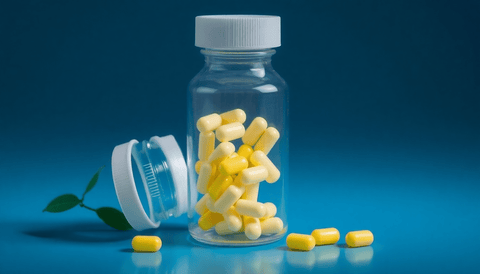
Vitamin purity standards refer to the benchmarks that determine whether a supplement contains exactly what its label claims—without harmful levels of heavy metals, pesticide residues, microbes, or undeclared ingredients. Because dietary supplements are regulated differently from pharmaceuticals, purity is not guaranteed by default, and the responsibility for evaluating a product's quality falls largely on manufacturers, third-party certifiers, and informed consumers. This guide explains what purity actually means, which contaminants commonly appear in supplements, how purity is tested and verified, and how to read labels and certifications so you can choose clean, safe products with confidence.
What Does "Vitamin Purity" Actually Mean?
Purity, in the context of supplements, describes how free a product is from contaminants and from anything that is not intentionally part of the formulation. A pure vitamin contains the declared nutrient in the stated amount, with impurities—whether chemical, biological, or accidental—kept below recognized safety thresholds. Purity is one pillar of overall supplement quality, alongside potency and identity.
The Difference Between Purity, Potency, and Label Accuracy
These terms are related but distinct. Purity concerns the absence of contaminants and unwanted substances. Potency refers to the amount of the active nutrient actually present, which can differ from the label if the product has degraded or was under-dosed at manufacture. Label accuracy is broader: it covers whether all listed ingredients, amounts, and claims match the actual contents. A product can be pure but under-potent, or accurately labeled but contaminated. Ideally, a quality supplement scores well on all three.
Why Purity Standards Matter for Your Health
Contaminants such as lead, cadmium, or arsenic can accumulate in the body over time, and even low-level chronic exposure may be associated with health risks. For people who take supplements daily—often for years—repeated exposure to impurities can be cumulative. This is particularly relevant for vulnerable groups, including pregnant women, children, and people with kidney or liver conditions. Reliable purity standards exist to minimize these risks and ensure that a supplement's intended benefits are not undermined by what should not be in the bottle.
Common Impurities Found in Vitamin and Supplement Products
Heavy Metals and Environmental Contaminants
Heavy metals such as lead, mercury, arsenic, and cadmium can enter supplements through contaminated soil, water, or manufacturing equipment. Mineral-derived products and botanicals are particularly susceptible because plants and mineral ores absorb metals from their environment. Reputable manufacturers test raw materials against established limits, such as those set by pharmacopeial standards (for example, USP), though limits and testing practices vary between companies.
Pesticide Residues and Agricultural Chemicals
Botanical ingredients—herbs, plant extracts, and some food-derived nutrients—can carry pesticide residues from cultivation. Solvents used in extraction processes may also leave residues if not properly removed. Organic sourcing and validated extraction and purification methods reduce this risk, which is one reason sourcing transparency matters when evaluating a brand.
Microbial Contamination and Mold
Bacteria, yeasts, molds, and their toxins (such as aflatoxins) can contaminate supplements, particularly botanicals and probiotic-adjacent products, if raw materials are poorly dried, stored, or handled. Microbial testing is a standard part of rigorous quality control, and moisture control during production and packaging plays an important role in keeping products safe over their shelf life.
Undeclared Ingredients and Allergens
Perhaps the most serious purity failure is the presence of ingredients not listed on the label. This includes undeclared allergens such as gluten, soy, dairy, or nuts, as well as in some documented cases pharmaceutical compounds illegally added to products marketed as natural. Undeclared ingredients pose real safety risks, especially for people with allergies, and are a frequent cause of supplement recalls.
How Vitamin Purity Is Regulated and Tested
The Role of the FDA in Supplement Oversight
In the United States, the FDA regulates dietary supplements under the Dietary Supplement Health and Education Act (DSHEA) of 1994. Importantly, supplements do not require pre-market approval the way drugs do. The FDA monitors the market, inspects facilities, issues warning letters, and orders recalls, but it does not test every product before it reaches shelves. This structure means that manufacturer responsibility and independent verification carry significant weight.
Good Manufacturing Practices (cGMP) vs. Basic Compliance
The FDA requires supplement manufacturers to follow current Good Manufacturing Practices (cGMP), which cover facility hygiene, equipment maintenance, raw material identity testing, batch records, and contamination controls. However, compliance can vary in depth. A company that merely meets the minimum may test finished products sporadically, while a quality-focused manufacturer tests incoming raw materials, in-process batches, and finished goods against stringent specifications. Asking about a company's testing protocol at each stage reveals more than cGMP claims alone.
Third-Party Testing and Independent Verification
Third-party testing means an accredited, independent laboratory analyzes a product for identity, potency, and contaminants. Because the lab has no financial stake in the result, this provides an objective check on manufacturer claims. Independent certification programs and published Certificates of Analysis (CoAs) are among the strongest signals that a brand's purity claims can be trusted.
Understanding Popular Supplement Certifications and Seals
What Certification Seals Do (and Do Not) Guarantee
Recognized third-party seals—such as USP Verified, NSF Certified for Sport, or Informed Choice—indicate that a product has been independently audited and tested for contaminants, label accuracy, and manufacturing quality. What they do not guarantee is efficacy, that the product is right for your needs, or that the dose is optimal for you. A seal verifies quality of the contents, not suitability or therapeutic benefit.
How to Verify That a Certification is Legitimate
Legitimate certification bodies maintain public databases where consumers can verify a product's certification status. Be cautious of vague claims like "lab tested" without naming the laboratory, invented proprietary seals, or certifications that cannot be traced to a known organization. A quick check on the certifier's official website—or scanning a QR code that links to a verifiable CoA—separates genuine verification from marketing decoration.
Evaluating Purity Based on Nutrient Forms
Chelated vs. Non-Chelated Minerals and Purity
Chelated minerals—such as magnesium glycinate or zinc bisglycinate—are bound to amino acids, which can improve absorption and are often gentler on the digestive tract. From a purity standpoint, chelation itself is not automatically cleaner; what matters is the quality of the raw chelate and verification of its identity. Poorly characterized mineral salts can carry more impurities from their source ore, so testing and sourcing matter more than the chelated/non-chelated distinction alone. You can learn more about mineral options and their forms in our mineral supplements guide.
Synthetic vs. Food-Derived Vitamins: Does It Affect Purity?
Synthetic vitamins are produced through chemical synthesis and can be highly pure because the process is controlled and repeatable. Food-derived or "whole food" nutrients may contain beneficial cofactors, but they can also carry a higher inherent risk of environmental contaminants because they originate from agricultural sources. Neither category is inherently purer; both depend on the quality of sourcing, processing, and testing.
When Added Processing Refines or Degrades a Nutrient
Processing can cut both ways. Refining steps such as filtration, distillation, and chromatographic purification can remove contaminants and concentrate actives—for example, molecular distillation in fish oil reduces heavy metals and oxidation products. On the other hand, excessive heat, light, or oxygen exposure during processing can degrade delicate nutrients. High-quality manufacturing is about controlled, validated processes rather than simply "more" or "less" processing.
How to Assess Purity By Reading a Supplement Label
Differentiating Active Ingredients from Fillers and Excipients
The Supplement Facts panel lists active nutrients and amounts; the "Other Ingredients" section lists fillers, binders, flow agents, coatings, and preservatives. Some excipients are benign and functional (for instance, rice concentrate as a flow agent), while others may be undesirable for specific people. Fewer, well-explained excipients, or the presence of hypoallergenic formulations, can indicate attention to purity—though a long ingredient list is not automatically a red flag if each component is justified.
Identifying Gaps in "Other Ingredients" Listings
Vague terms like "proprietary blend" obscure the amounts of individual ingredients, making it impossible to assess whether doses are meaningful. Likewise, allergen statements should be explicit. If a label does not specify the nutrient's chemical form (for example, which form of vitamin E or magnesium is used), or omits allergen information entirely, that lack of transparency limits your ability to judge the product.
Frequently Overlooked Factors that Compromise Purity
How Improper Storage Damages Product Integrity
Heat, humidity, and light degrade many vitamins and can promote microbial growth or rancidity in oils. Storing supplements in a bathroom or above the stove is a common mistake. Follow label storage instructions—often a cool, dry place or refrigeration for probiotics and liquid oils—to preserve both potency and purity until the last dose.
The Difference Between Capsules, Tablets, Powders, and Liquids
Each format has different purity considerations. Tablets typically require binders and coatings to hold their shape; capsules need fewer excipients; powders avoid capsule materials but may absorb moisture; liquids offer easy dosing but are more vulnerable to degradation and require preservatives. Format choice should balance tolerability, stability, and your personal preferences regarding added ingredients.
The Expiration Date vs. The Production Date
The expiration date reflects the manufacturer's guarantee of potency and stability up to that point; the production (manufacture) date simply tells you when it was made. A product made three years ago but not yet expired has had more time to degrade, even if still technically within date. Buying fresher stock, storing it correctly, and discarding expired products all help maintain quality. Discounted near-expiry products can still be reasonable value if you will use them promptly, but avoid stockpiling them.
Practical Questions to Ask When Selecting a Pure Supplement Brand
Questions About Sourcing, Manufacturing, and Testing
Useful questions include: Where do raw materials originate? Does the company test incoming raw materials as well as finished products? Is testing done in-house, by third-party labs, or both? Are the labs ISO-accredited? Does the brand publish results voluntarily or only on request? Brands with transparent answers to these questions demonstrate that quality is built into their process rather than added as marketing.
Where to Find and Interpret Certificates of Analysis (CoAs)
A Certificate of Analysis documents what a laboratory found when testing a specific batch: identity, potency, and contaminant results such as heavy metals and microbes. Some brands publish CoAs on product pages or via QR codes; others provide them by request. When reading a CoA, check that the batch number matches your product, that the lab is named and accredited, and that contaminant results fall within established safety limits rather than simply being marked "pass."
When Does "Purity" Mean You Are Paying More?
Identifying Legitimate Quality Investments vs. Upselling
Some costs genuinely reflect quality: third-party testing, pharmaceutical-grade manufacturing environments, higher-quality raw material forms (such as chelated minerals or the more biologically active forms of certain vitamins), and contaminant-free sourcing. Other premium claims—exotic packaging, vague "advanced formulas," or buzzwords without documentation—may simply be upselling. The difference is verifiability: legitimate quality investments can be traced to certificates, named labs, and specific manufacturing standards.
Balancing Purity Standards with Your Supplement Budget
You do not need premium pricing for every product. Prioritize verified quality for supplements you take daily and long-term, and for categories with historically higher contamination risks, such as herbal products and fish oils. For occasional or short-term use, a well-made product from a reputable brand without a premium certification seal may be perfectly adequate. When evaluating brands that emphasize natural sourcing, our herbal supplements safety and sourcing guide covers what transparency looks like in practice.
Safety, Contamination Risks, and Your Health
What Happens When a Supplement Is Not Pure?
Consequences range from benign to serious. At the mild end, contaminants may simply mean you are not getting the benefit you paid for. At the serious end, heavy metal exposure, undeclared allergens, or adulterated ingredients can cause illness—and in documented cases, contaminated or adulterated supplements have led to liver injury and other health harms. Recalls and FDA warning letters exist precisely because these failures occur on the real market.
When Contamination Risks Outweigh Potential Benefits
For some groups, the risk calculus is different. People who are pregnant, managing kidney or liver conditions, or taking multiple medications should be more selective, since their tolerance for contaminants or unexpected ingredients may be lower. Similarly, if a product's claimed benefits are modest, any meaningful contamination risk may outweigh those benefits. In such cases, choosing a third-party verified product—or obtaining nutrients from food—may be the safer route.
Your Practical Checklist for Assessing Vitamin Purity
Red Flags to Avoid in Any Supplement
- Proprietary blends that hide individual ingredient amounts
- Claims of "lab tested" without a named laboratory or verifiable results
- Fantastic, disease-curing claims that contradict supplement regulation
- Missing allergen statements or undisclosed nutrient forms
- Products sold far past their expiration date or with damaged packaging
- Brands that refuse to share a CoA when asked
Green Lights That Indicate a Quality Product
- Third-party certification from a recognized body (USP, NSF, Informed Choice)
- Published, batch-specific Certificates of Analysis from accredited labs
- Clear labeling of nutrient chemical forms and full "Other Ingredients" disclosure
- cGMP-compliant manufacturing with raw-material and finished-product testing
- Transparent information about ingredient sourcing and origin
- Sensible, clearly stated dosages consistent with established reference values
When Professional Guidance May Be Useful
If you have a health condition, take prescription medications, are pregnant or breastfeeding, or are considering high-dose supplementation, discussing your choices with a physician, pharmacist, or registered dietitian is worthwhile. A professional can also help determine whether you need a supplement at all—sometimes blood testing or dietary assessment shows that food sources are already meeting your needs, as is often discussed in guides on vitamin D sources and safety and other individual nutrients.
Conclusion: Prioritizing Purity in Your Routine
Vitamin purity standards are not about perfection—they are about verified control. A quality supplement comes from a manufacturer that tests raw materials, follows cGMP, discloses its ingredients fully, and willingly submits to independent verification. Diet and food sources should remain the foundation of your nutrition, with supplements filling specific gaps rather than replacing good eating habits. When you do choose a supplement, let evidence of transparency—certifications, CoAs, named labs—guide you more than price or packaging. And remember that your individual needs, health status, and medications matter: when in doubt, a short conversation with a qualified professional can save both money and unnecessary risk.
Frequently Asked Questions
What does "vitamin purity" actually mean?
Vitamin purity refers to how free a supplement is from contaminants such as heavy metals, pesticides, microbes, and undeclared ingredients, and how closely its contents match the label. It is one aspect of overall quality, alongside potency and identity.
Are supplements required to be tested before being sold?
In the United States, supplements do not require pre-market FDA approval. Manufacturers must follow cGMP regulations, but the level of testing varies, which is why third-party verification and published test results are valuable.
What is a Certificate of Analysis (CoA)?
A CoA is a laboratory document showing test results for a specific product batch, including potency and contaminant levels. Reputable brands share CoAs voluntarily, ideally from ISO-accredited third-party labs.
Does "USP Verified" or another seal guarantee a supplement works?
No. Certification seals verify that the product contains what the label states and is free from specified contaminants. They do not confirm the product is effective for your personal health goals or appropriately dosed for you.
Are natural or food-derived vitamins automatically purer than synthetic ones?
Not necessarily. Synthetic vitamins can be highly pure due to controlled production, while food-derived nutrients carry agricultural contamination risks. Both depend on sourcing, processing, and testing quality.
How can I tell if a supplement contains heavy metals?
You cannot detect heavy metals by appearance, taste, or smell. Only laboratory testing can reveal them, which is why contaminant results on a CoA or third-party certification matter so much for mineral and botanical products.
Are "proprietary blends" a purity concern?
They are more a transparency concern, but the two are linked. Proprietary blends hide individual ingredient amounts, making it impossible to verify meaningful dosing or assess whether the formula is worth trusting.
Can expired supplements be harmful?
Expired supplements are usually more a potency issue than a safety issue, but degraded oils can become rancid and some products (like probiotics or liquid formulations) may spoil. Discard products past their expiration date as a general rule.
Do capsule supplements contain fewer additives than tablets?
Generally yes—tablets require binders and coatings to hold their shape, while capsules need fewer excipients. However, a well-made tablet from a quality manufacturer is not inherently impure; the ingredient list tells the real story.
How should I store supplements to preserve purity?
Keep them in a cool, dry place away from direct sunlight and humidity—avoid bathrooms and areas near heat. Some products, such as certain probiotics and liquid oils, require refrigeration as stated on the label.
Are more expensive supplements always purer?
Not always. Some premium prices reflect real quality investments like third-party testing and superior raw materials, while others are marketing. Verifiability—certificates, named labs, published standards—is a better indicator than price.
Who should be especially careful about supplement purity?
Pregnant or breastfeeding women, children, people with kidney or liver conditions, and those taking prescription medications should be more selective. For these groups, choosing third-party verified products and seeking professional guidance is especially sensible.
Related Keywords
- vitamin purity standards
- supplement quality testing
- third-party tested vitamins
- heavy metals in supplements
- certificate of analysis supplements
- cGMP supplement manufacturing
- USP verified supplements
- undeclared allergens in supplements
- how to read a supplement label
- clean supplement brands
- supplement contamination risks
- supplement certifications and seals
- fillers and excipients in vitamins
- supplement storage and expiration