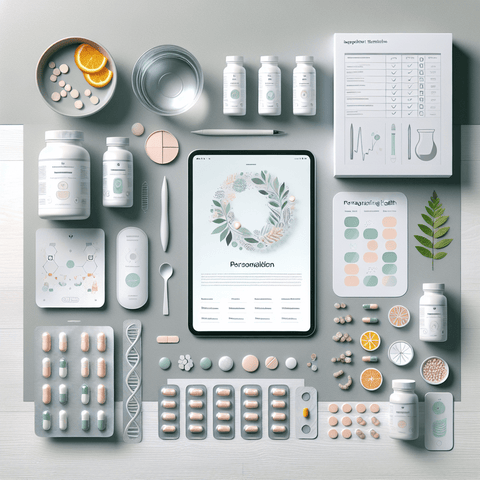
A vitamin subscription box is a convenient way to receive a regular supply of vitamins and minerals tailored to your health needs. These services typically involve a short assessment, followed by monthly deliveries of customized supplement packs. This approach appeals to people who want a more organized and consistent way to support their nutritional intake. In this guide, we explore how vitamin subscription boxes work, what they typically include, who may benefit from them, and what to consider before subscribing.
What Is a Vitamin Subscription Box?
A vitamin subscription box is a service that delivers a curated selection of nutritional supplements to your door on a recurring schedule. Most services begin with a short online questionnaire covering your age, diet, lifestyle, and wellness objectives. Based on your answers, a personalized supplement plan is created. Each month you receive a supply of vitamins and minerals designed to address your specific needs. This model shifts the focus from buying individual bottles to receiving a coordinated routine that supports your daily nutritional goals.
The main appeal of a subscription box is simplicity. Instead of researching which supplements to take, subscribers rely on a structured process that organizes their routine. This can be especially helpful for people with busy schedules, those new to supplementation, or anyone looking to maintain consistency without the hassle of shopping for multiple products.
Why Is a Monthly Vitamin Service Relevant to Your Health?
Many adults find it challenging to obtain all essential nutrients through diet alone. Factors such as busy lifestyles, dietary restrictions, food preferences, and seasonal changes can contribute to nutrient gaps. A vitamin subscription box provides a practical way to address these gaps by delivering a consistent supply of targeted nutrients. The monthly format encourages adherence, which is important because supplements generally need to be taken regularly to be effective.
Beyond convenience, personalized vitamin services offer a level of customization that standard over-the-counter supplements do not always provide. By considering individual factors such as age, gender, and health goals, these services aim to create a routine that more closely matches your specific needs. This personalized approach can help you feel more confident that you are taking supplements that are relevant to your situation.
Common Vitamins and Minerals in Subscription Boxes
Subscription boxes often include a variety of vitamins and minerals, depending on the individual’s needs. Some of the most commonly featured nutrients include:
- Vitamin D, which supports bone health and immune function
- B vitamins, which play a role in energy metabolism
- Vitamin C, known for its antioxidant properties
- Magnesium, which supports muscle and nerve function
- Zinc, which contributes to immune health
These nutrients are frequently included because they are among the most common deficiencies in adult populations. However, the exact combination in your subscription will depend on your personal assessment results. Some services also offer specialized blends targeting specific areas such as stress support, sleep quality, or athletic recovery.
Understanding Personalization: How It Works
Personalization is the defining feature of most vitamin subscription services. The process typically begins with a health assessment. You may be asked about your eating habits, exercise routine, stress levels, and any existing health conditions. Some services also ask about specific goals, such as improving energy, supporting immunity, or enhancing sleep.
Based on your answers, the service formulates a recommendation. Some brands use proprietary algorithms, while others rely on nutritionist-reviewed guidelines. The result is a tailored supplement pack designed to address your unique profile. It is important to remember that while this approach is more individualized than buying a standard multivitamin, it still has limitations. A questionnaire cannot replace a comprehensive medical evaluation or blood test.
The Importance of Quality Assessment
When considering a subscription service, pay attention to how the personalization is conducted. Look for services that base their recommendations on recognized nutritional guidelines rather than generic formulas. Also consider whether the brand is transparent about ingredient sources, manufacturing practices, and third-party testing. Quality assessment is an important step in ensuring that the supplements you receive are both safe and effective.
Convenience vs. Cost: Evaluating the Trade-Off
One of the main advantages of a vitamin subscription is convenience. Having your supplements delivered monthly eliminates the need to remember to reorder. It also reduces the time spent comparing products in stores. For many people, this alone justifies the cost.
However, subscription services can be more expensive than purchasing individual supplements. The cost often reflects the personalized formulation, packaging, and delivery service. When evaluating a subscription, consider whether the price aligns with the value you receive. Compare the cost per serving with what you would pay for equivalent products sold separately. This comparison can help you determine whether the convenience is worth the premium.
Nutritional Considerations and Dietary Gaps
Vitamin subscription boxes can help address dietary gaps that may occur even with a balanced diet. Certain populations are more prone to specific deficiencies. For example, individuals following plant-based diets may need additional vitamin B12. People with limited sun exposure might require vitamin D supplementation. Older adults often have increased needs for calcium and vitamin D.
A subscription service can be particularly useful in these situations because it provides a consistent source of the nutrients most likely to be missing. However, supplements should never replace whole foods. A varied diet rich in fruits, vegetables, whole grains, and lean proteins remains the foundation of good nutrition. Supplements are designed to complement, not substitute for, healthy eating.
Exploring Nutrient-Specific Categories
If you are interested in learning more about specific nutrients commonly found in subscription services, you can explore our guides on vitamin D, B vitamins, and magnesium.
Who Might Benefit from a Vitamin Subscription?
A vitamin subscription box may be a good choice for several types of people. Understanding whether this service fits your lifestyle can help you decide if it is the right approach to supplementation.
- People with busy schedules who struggle to maintain a consistent supplement routine
- Individuals following restrictive diets that may lead to nutrient gaps
- Those with specific wellness goals such as improving energy or supporting immunity
- People who prefer a guided approach to supplementation rather than selecting products themselves
- Travelers or individuals who value the convenience of having supplements delivered regularly
Keep in mind that a subscription is not necessary for everyone. If you already eat a well-balanced diet and have no known deficiencies, you may not need additional supplementation. It is always wise to consult a healthcare professional before starting any new supplement routine.
How to Choose a Quality Vitamin Subscription Service
Selecting a reputable subscription service requires careful evaluation. Not all services are created equal, and quality can vary significantly between brands. Below are key factors to consider when comparing options.
Ingredient Transparency
Look for brands that clearly list all ingredients, including the exact amounts of each vitamin and mineral. Transparency also extends to the sources of ingredients and any additional additives. A reputable company should be willing to answer questions about its formulations.
Third-Party Testing
Third-party testing provides an independent verification of product quality and purity. Certifications from recognized testing organizations can offer additional assurance. When researching a service, check whether it conducts third-party testing and whether results are publicly available.
Dosing Guidelines
Quality services provide clear dosing instructions. Pay attention to whether the recommended doses are within safe ranges. Excessive intake of certain vitamins and minerals can be harmful. A responsible service will ensure its recommendations fall within established safety limits.
Customization Options
Consider whether the service offers flexibility in its personalization. Can you adjust your plan if your needs change? Some services allow you to pause, modify, or cancel your subscription easily. This flexibility can be important if you need to make changes based on new information or professional advice.
Potential Limitations and Considerations
While vitamin subscription boxes offer many benefits, they also have limitations. Understanding these can help you make an informed decision.
- The questionnaire-based assessment may not capture all your health needs accurately
- Personalized recommendations are not a substitute for professional medical advice
- The cost may be higher than purchasing supplements individually
- You may not need all the nutrients included in a particular formulation
- Some services may use lower-quality ingredients to cut costs
Despite these limitations, a well-chosen vitamin subscription can be a useful tool for supporting your nutritional health. The key is to select a service that prioritizes quality, transparency, and safety. It is also important to view the subscription as one part of a broader wellness strategy that includes a healthy diet, regular physical activity, and routine medical care.
Integrating a Subscription into Your Wellness Routine
Once you have selected a vitamin subscription service, integrating it into your daily routine is straightforward. Here are some practical tips to help you get the most from your subscription.
Timing and Consistency
Taking your supplements at the same time each day can help establish a habit. Some people prefer to take them with breakfast, while others find evening routines easier. Consistency is more important than the specific time of day, as long as you follow the instructions included with your supplements.
Paying Attention to Your Body
Monitor how you feel after starting your subscription. If you notice any unexpected symptoms or discomfort, it may be worth discussing with a healthcare professional. Individual responses to supplements can vary, and adjustments may be necessary.
Re-Evaluating Your Plan
Your nutritional needs may change over time. Consider re-evaluating your subscription periodically based on changes in your diet, health status, or lifestyle. Some services offer the option to update your profile and adjust your formulation accordingly. Taking advantage of this feature ensures your routine remains aligned with your current needs.
When to Consult a Healthcare Professional
While vitamin subscriptions are generally safe for most people, certain situations warrant professional guidance. If you are pregnant, nursing, taking medications, or managing a chronic health condition, it is especially important to consult a healthcare provider before starting a new supplement routine. This is also true if you have concerns about your nutritional status or are experiencing symptoms that you suspect may be related to a deficiency.
A healthcare professional can help you determine whether supplementation is appropriate and guide you toward the right products and doses. They can also order blood tests to identify specific deficiencies, which can inform your decisions. This personalized medical guidance is the most reliable way to address your unique nutritional needs.
Exploring Curated Supplement Options
If you are interested in exploring a more curated approach to supplements, Topvitamine.com offers a range of products designed to support various health goals. You can explore our selection of natural supplements and multivitamins to find options that align with your wellness priorities.
Remember that the goal of any supplement routine is to complement a healthy lifestyle. A vitamin subscription can simplify this process, but it works best when combined with a nutritious diet, adequate hydration, regular physical activity, and sufficient sleep. By taking a holistic approach to your health, you can maximize the benefits of any supplementation strategy.
Key Takeaways
- A vitamin subscription box delivers personalized vitamins to your door on a regular schedule
- These services use a health questionnaire to create a customized supplement routine
- Subscription boxes can help fill dietary gaps and support consistent supplementation
- Common nutrients include vitamin D, B vitamins, vitamin C, magnesium, and zinc
- Quality matters: look for ingredient transparency and third-party testing
- Supplements complement, not replace, a balanced diet
- Consult a healthcare professional before starting any new supplement routine
- Re-evaluate your subscription periodically as your needs change
Frequently Asked Questions
How do I know if I need a vitamin subscription box?
If you have dietary gaps, specific health goals, or difficulty maintaining a consistent supplement routine, a subscription box may be helpful. However, it is always best to consult a healthcare professional to determine your actual needs.
Can a vitamin subscription replace a healthy diet?
No. Supplements are meant to complement a nutritious diet, not replace it. Whole foods provide a variety of nutrients and other beneficial compounds that supplements cannot fully replicate.
Are vitamin subscription boxes safe?
Most are safe for healthy adults when used as directed. However, individuals with health conditions, those taking medications, and pregnant or nursing women should consult a healthcare professional before starting.
How much does a vitamin subscription cost?
Costs vary significantly depending on the brand, the number of supplements included, and the level of personalization. It is wise to compare the per-serving cost with equivalent individual products.
Can I cancel or pause my subscription?
Most services offer flexibility to pause, modify, or cancel subscriptions. Check the terms before committing to ensure the service offers the flexibility you need.