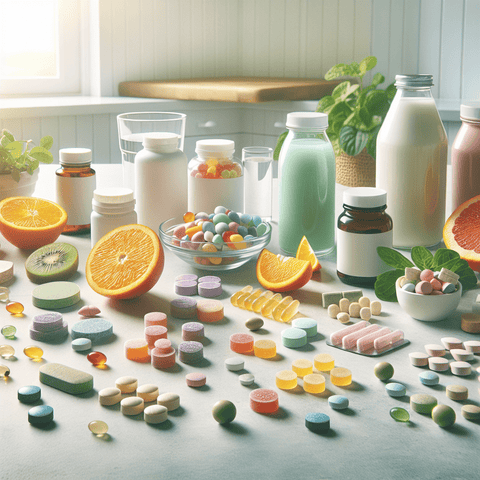
Vitamin tablet alternatives are natural ways to meet your vitamin needs—primarily through nutrient-rich whole foods, and secondarily through non-tablet supplement forms such as powders, liquids, and capsules. This article explains how nutrients from food compare to those from tablets, which foods naturally supply key vitamins, why absorption and bioavailability matter, and how to decide whether dietary changes alone are enough or a well-chosen supplement deserves a place in your routine.
What Are Vitamin Tablet Alternatives? A Clear Definition
Vitamin tablet alternatives are any sources of essential vitamins that do not rely on conventional compressed tablets. The most important alternative is food itself: a varied, balanced diet can supply virtually every vitamin the body needs when planned thoughtfully. Beyond food, there are whole-food-based supplements and alternative delivery formats—powders, liquids, gummies, capsules, and sprays—that some people find easier to take or digest.
Natural food-based sources vs. whole-food supplements
Food-based sources are exactly what they sound like: vegetables, fruits, whole grains, legumes, eggs, dairy, fish, and meat that deliver vitamins alongside fiber, phytonutrients, and healthy fats. Whole-food supplements, by contrast, are products in which nutrients are either concentrated from foods or cultured in a food-like medium. Their labels often suggest the nutrients are "as found in food," but the actual nutrient compounds are frequently similar or identical to those in conventional supplements—the difference lies mainly in processing and added food concentrates.
Why more people are looking beyond traditional vitamin tablets
Many people dislike swallowing tablets, experience mild digestive discomfort from certain mineral tablets, or simply prefer to meet their nutritional needs through diet. Others question how well synthetic nutrients are absorbed or want fewer additives and fillers. These are reasonable considerations, though it is worth noting that a well-formulated tablet is not inherently inferior—the answer depends on the nutrient, the dose, and the individual.
Why Vitamin Tablet Alternatives Matter for Your Health
Vitamins participate in hundreds of processes: energy metabolism, immune function, bone health, blood clotting, antioxidant protection, and nervous system signaling. How you obtain these nutrients influences not only how much you absorb, but also what else travels with them into the body.
How the body absorbs nutrients from food versus synthetic tablets
Nutrients in food arrive in a complex matrix. Vitamin A in liver or sweet potato comes with fats that aid absorption; folate in leafy greens arrives alongside other B vitamins; iron in meat is paired with amino acids that enhance its uptake. Synthetic nutrients in tablets are isolated compounds, which can sometimes be absorbed just as well—folic acid, for example, is actually absorbed more efficiently than food folate—but may lack these supportive cofactors.
The role of bioavailability in choosing nutrient sources
Bioavailability refers to the proportion of an ingested nutrient the body actually absorbs and can use. It varies by nutrient, by chemical form, and by the person. Vitamin D and carotenoids are absorbed better with fat; plant-based ("non-heme") iron is absorbed less readily than animal iron; some B12 from fortified foods binds to proteins that must be released by stomach acid. Bioavailability—not just the milligrams on the label—determines nutritional value, which is a genuine argument for a food-first approach.
Signs Your Current Vitamin Intake May Not Be Enough
The body usually signals prolonged low intake in subtle ways first. Fatigue, frequent infections, slow wound healing, brittle hair or nails, dry skin, muscle cramps, and low mood can all be associated with suboptimal vitamin status. These signs deserve attention—but they are prompts to investigate, not diagnoses.
Common situations associated with low nutrient intake
Certain life circumstances make low intake more likely: highly restrictive diets, frequent meal skipping, low fruit and vegetable consumption, limited sun exposure, alcohol use, smoking, and periods of high physical or psychological stress. Older adults often eat less overall and absorb nutrients less efficiently.
Why symptoms alone cannot confirm a deficiency
Fatigue, for example, can stem from poor sleep, stress, low iron, low vitamin B12, low vitamin D, thyroid issues, or simply a demanding life. Self-diagnosing from symptoms often leads to unnecessary supplementation while the real cause goes unaddressed. Blood testing—widely available for vitamin D, B12, folate, and iron status—offers far more reliable information, and persistent symptoms warrant professional evaluation.
What Causes Low Vitamin Levels Despite Taking Tablets?
Taking a daily tablet does not guarantee adequate nutrient status. Several factors can undermine even consistent supplementation.
Poor absorption: digestive health, age, and medications
Conditions such as coeliac disease, inflammatory bowel disease, low stomach acid (common with age or acid-suppressing medication), and certain surgeries reduce absorption of B12, iron, calcium, and fat-soluble vitamins. Long-term use of metformin, proton pump inhibitors, or some other medications is associated with lower levels of specific nutrients.
Dietary gaps, lifestyle factors, and stress
A tablet does not compensate for an otherwise poor diet. Overall dietary pattern, alcohol intake, smoking, and chronic stress all influence how much of each vitamin the body needs and retains.
Storage, shelf life, and quality issues with tablets
Vitamins degrade over time, especially when exposed to heat, light, and moisture. A supplement stored in a steamy bathroom or kept long past its expiry date may deliver less than the label promises—another reason to check expiry dates and store products carefully and use open containers promptly.
Why Vitamin Needs Differ From Person to Person
Nutritional requirements are not one-size-fits-all. Two people eating identical diets may have very different vitamin status due to genetics, gut health, sun exposure, and activity levels.
Age, diet pattern, pregnancy, and life stage
Infants, adolescents, pregnant women, and older adults all have distinct needs. During pregnancy, for example, folate requirements rise substantially, and vitamin B12 and vitamin D needs may increase. Vegans and vegetarians need reliable sources of B12, and often vitamin D and iron, since these are concentrated in animal foods.
Health conditions, genetics, and existing supplement intake
Genetic variations—such as those affecting folate metabolism or vitamin D binding—can shift individual requirements. People taking multiple supplements risk overlapping doses, particularly of vitamin A and vitamin D, so total intake across all products should be considered together.
Best Food Sources of Vitamins: Nature's Original Alternatives
Food can supply virtually every vitamin when the diet is varied. Below are the stand-out sources for each nutrient.
Vitamin-rich foods by nutrient: A, C, D, E, K and B-complex
- Vitamin A: liver, eggs, butter, and dairy; beta-carotene from carrots, sweet potato, pumpkin, and dark leafy greens.
- Vitamin C: citrus fruit, berries, kiwi, peppers, broccoli, and fresh herbs. It is heat-sensitive, so raw or lightly cooked sources help.
- Vitamin D: oily fish (salmon, mackerel, sardines), egg yolks, and fortified foods—though sunlight remains the main source for most people.
- Vitamin E: nuts, seeds, wheat germ, and plant oils such as sunflower and olive oil.
- Vitamin K: kale, spinach, broccoli, and other greens (K1); fermented foods and some animal products (K2).
- B-complex: whole grains, legumes, eggs, meat, fish, dairy, and nutritional yeast. B12 is found only in animal foods and fortified products.
For a deeper look at individual nutrients, the guides to vitamin D sources and safety and vitamin B benefits and food sources offer detailed food tables and intake guidance.
Minerals and other nutrients from whole foods
Whole foods also supply the minerals that work alongside vitamins: magnesium in nuts, seeds, and whole grains; calcium in dairy, fortified plant milks, and certain greens; iron in meat, lentils, and spinach; zinc in shellfish, meat, and pumpkin seeds; iodine in fish and iodized salt. You can read more about these in our minerals guide covering iron, zinc, selenium, and iodine.
Simple dietary patterns that naturally cover vitamin needs
A practical framework: build each meal around vegetables or fruit, include a protein source, choose whole grains, add healthy fats, and eat oily fish twice a week. Eating a "rainbow" of produce colors naturally broadens your vitamin and antioxidant intake without needing to track each nutrient individually.
Lifestyle Habits That Support Natural Vitamin Status
Nutrient status is not only about what you eat. Several daily habits directly influence how much vitamin your body makes and retains.
Sunlight, sleep, exercise, and vitamin D
Regular, moderate sun exposure on bare skin is the primary driver of vitamin D production for most people, though it varies widely by latitude, season, skin tone, and lifestyle. Quality sleep and regular physical activity support appetite regulation and metabolic health, indirectly supporting better nutrition overall.
Cooking and food preparation tips that preserve nutrients
Water-soluble vitamins (C and the B vitamins) leach into cooking water and degrade with heat. Steam or stir-fry rather than boiling, cut vegetables just before cooking, store produce cool and dark, and cook potatoes and root vegetables in their skins. Pairing iron-rich plant foods with vitamin C sources and fat-soluble vitamins with a little oil meaningfully improves absorption.
Whole-Food and Non-Tablet Supplement Options Compared
When supplementation is appropriate, tablets are far from the only format—and each format has genuine practical trade-offs.
Powders, liquids, gummies, capsules, and sprays: practical differences
- Powders: flexible dosing, easy to mix into smoothies, but taste and solubility vary.
- Liquids: easy to swallow and often suitable for those with digestion difficulties, though some nutrients are less stable in liquid form and preservatives may be needed.
- Gummies: palatable and popular, but typically lower in dose, may contain sugar, and usually cannot include minerals such as iron.
- Capsules: often easier to swallow than tablets, generally fewer binders, and can be vegan-friendly.
- Sprays: convenient, and absorbed partly through the oral mucosa—useful for vitamin D and B12, though evidence that this outperforms capsules is limited.
Whole-food-based supplements: what the label really means
"Whole-food based" can mean nutrients were grown in a yeast or food matrix, concentrated from foods, or simply that small amounts of food powders were added to conventional nutrients. The claim is not standardized, so the ingredient list—rather than the marketing—tells the real story.
Which forms offer better absorption?
For a few nutrients, form matters: vitamin D3 is generally preferred over D2; methylated folate and B12 are well-absorbed active forms; magnesium citrate or glycinate tends to be better absorbed and gentler than magnesium oxide. For many other vitamins, evidence comparing forms and formats is limited or mixed, and consistency of daily use often matters more than format.
When May Supplementation Be Worth Considering?
Situations where diet alone may fall short
Supplementation is genuinely relevant for specific groups and situations: vegans and vegetarians (B12, sometimes iron, zinc, and omega-3), pregnant women or those planning pregnancy (folic acid), people with limited sun exposure or those covering their skin (vitamin D), older adults (B12, vitamin D), and people with malabsorption conditions or restricted diets for medical reasons.
Nutritional support vs. treating a diagnosed deficiency
There is an important distinction between general nutritional support—a modest daily top-up where intake is likely low—and treating a diagnosed deficiency, which involves specific doses, monitoring, and medical supervision. Low vitamin D or B12 confirmed by blood tests, for example, is best managed with professional guidance, not guesswork. For everyday nutritional support, a broad-spectrum option such as those found in multivitamin formulas and ingredients guides may be worth considering, provided it fits your diet and needs.
How to Choose a High-Quality Vitamin Tablet Alternative
Supplement quality varies considerably. A few structured checks make comparisons much easier.
Nutrient forms and bioavailability: what to compare
Look at the specific chemical form of each nutrient, not just the nutrient name. Well-absorbed, well-studied forms (for example, D3, magnesium glycinate, or active B vitamins) generally represent better value than cheaper, poorly absorbed salts at the same dose.
Single nutrients vs. combination products
Single-nutrient products allow precise dosing and are preferable when targeting one gap. Combination products offer convenience but can lead to redundant or excessive doses if you take several of them—always total your intake across products.
Purity, third-party testing, and certifications
Reputable manufacturers disclose ingredient origins, avoid unnecessary fillers, and use third-party or independent laboratory testing. Certifications such as GMP manufacturing and, where relevant, organic or vegan credentials provide additional assurance.
Allergens, additives, and dietary preferences (vegan, gluten-free)
Check for allergens (gluten, dairy, soy, shellfish), sweeteners, colorants, and gelatin capsules if you follow a vegan diet. A shorter, transparent ingredient list is usually a good sign.
How to Read a Supplement Label Before You Buy
The label is the most objective source of information about a product—once you know what to look for.
Serving size, dosage, and %NRV explained
The %NRV (nutrient reference value) tells you how much of your daily target one serving provides. Note the serving size carefully: "1 capsule, twice daily" means the per-capsule figures must be doubled. NRVs represent population-level minimums for preventing deficiency—they are not optimal intakes and not upper limits.
Spotting quality indicators and red-flag ingredients
Quality indicators include named nutrient forms, transparent dosing, clear allergen labeling, and batch testing information. Red flags include proprietary blends that hide doses, dramatic health claims ("cures fatigue," "boosts immunity instantly"), and doses far exceeding safe upper limits for fat-soluble vitamins.
Who Benefits Most From Vitamin Tablet Alternatives?
Groups with higher nutrient needs or restricted diets
Those who typically benefit most from deliberate attention to vitamin sources include pregnant women, older adults, people with malabsorption conditions, anyone following a vegan or very restrictive diet, athletes with high energy turnover, and people with limited sun exposure.
When blood testing and professional guidance make sense
Unexplained persistent fatigue, hair loss, recurrent infections, or planned pregnancy are all good reasons to request blood tests rather than experiment with high-dose supplements. A registered dietitian or physician can interpret results in context and recommend evidence-based next steps.
Safety, Interactions, and Upper Intake Limits
Natural does not automatically mean risk-free, especially where concentrated nutrients are concerned.
Can you take too much? Fat-soluble vs. water-soluble vitamins
Fat-soluble vitamins (A, D, E, K) are stored in the body, so excessive intake can accumulate over time—chronically high vitamin A and vitamin D intake carry recognized toxicity risks. Water-soluble vitamins (C and B-complex) are generally excreted in urine, but very high doses of B6 over long periods can affect the nervous system, and high-dose vitamin C can cause digestive upset in sensitive individuals.
Medication interactions and pregnancy considerations
Vitamin K can interfere with blood-thinning medication such as warfarin; high-dose vitamin E may increase bleeding risk with anticoagulants; and some minerals compete for absorption (high calcium can hinder iron uptake). During pregnancy and breastfeeding, supplement choices should always be discussed with a healthcare provider, as both too little and too much of certain nutrients can matter. If you use medication regularly, consult your doctor or pharmacist before starting any new supplement.
Food First or Supplement? A Practical Decision Guide
When dietary changes alone may be enough
If your diet is varied, includes regular fruit and vegetables, whole grains, quality protein, and healthy fats—and you have no diagnosed deficiency or restrictive pattern—optimizing your diet and lifestyle is usually the most effective and safest first step.
Questions to ask before choosing a supplement product
- What specific nutrient or gap am I trying to address—and is there evidence for it?
- Have I confirmed my dietary intake is actually insufficient, or could testing clarify this?
- Which nutrient form and dose does the product contain, and how does it compare to my total intake?
- Is the dose within safe upper limits, and could it interact with my medication?
- Is the product independently tested, free of unwanted additives, and suitable for my dietary preferences?
For readers exploring high-quality non-tablet formats, our range of natural supplements includes a variety of powders, capsules, and liquid options that can be evaluated using the criteria above.
Key Takeaways: Making an Informed Choice About Your Vitamin Sources
- Vitamin tablet alternatives include both whole foods and non-tablet supplement formats such as powders, liquids, capsules, and sprays.
- A varied, balanced diet can meet vitamin needs for most healthy people and delivers nutrients with beneficial co-factors.
- Bioavailability—how much of a nutrient your body actually absorbs—matters more than the number on the label.
- Symptoms such as fatigue or hair loss have many causes and cannot confirm a deficiency; blood tests are more reliable where available.
- Low levels despite supplementation can stem from poor absorption, digestive conditions, medications, stress, or degraded products.
- Specific groups—vegans, pregnant women, older adults, and people with malabsorption—have genuinely higher needs or lower intakes.
- Supplement forms differ: D3, magnesium citrate or glycinate, and active B vitamins are generally well-absorbed choices where relevant.
- Fat-soluble vitamins can accumulate to toxic levels with excessive long-term intake; more is not better.
- Check labels for serving size, nutrient forms, %NRV, third-party testing, and allergens before buying.
- Diagnosed deficiencies require professional guidance and appropriate dosing—not self-directed high-dose supplementation.
Frequently Asked Questions
What are the best natural alternatives to vitamin tablets?
A varied diet built around vegetables, fruit, whole grains, legumes, quality protein, and healthy fats is the primary alternative. Oily fish, eggs, leafy greens, nuts, seeds, and colorful produce together cover nearly all vitamins, with sunlight contributing most of your vitamin D.
Can food alone provide all the vitamins I need?
For most healthy people eating a varied diet, yes. Exceptions include vitamin B12 for vegans, vitamin D for people with little sun exposure, and folate during pregnancy—all situations where supplementation is routinely considered.
Are natural vitamins better absorbed than synthetic ones?
Not universally. Some food-derived nutrients benefit from accompanying compounds that aid absorption, while certain synthetic forms (such as folic acid) are actually absorbed more efficiently than their food counterparts. The practical difference is often smaller than marketing suggests.
Which foods are richest in vitamin C?
Peppers, kiwi, citrus fruits, strawberries, broccoli, and blackcurrants are among the richest sources. Because vitamin C is heat-sensitive, including some raw sources is helpful.
How can I get enough vitamin D without tablets?
Regular midday sun exposure on bare skin, oily fish two to three times a week, egg yolks, and fortified foods all contribute. However, in northern climates or during winter, many people cannot produce enough vitamin D from sunlight alone—blood testing can clarify whether you need more.
Do liquid vitamins absorb better than tablets?
Liquids may be easier to take for people with swallowing difficulties or digestive issues, and they avoid the disintegration step a tablet requires. However, head-to-head evidence that liquids are consistently better absorbed is limited, and stability can be a drawback for some nutrients in liquid form.
Can you take too many vitamins from food alone?
It is very unlikely. Food provides vitamins in modest amounts within a complex matrix, making toxicity from food alone rare—liver (very high in vitamin A) being the main exception when eaten in large quantities frequently.
How long does it take to correct a vitamin deficiency?
It depends on the nutrient and severity: iron and vitamin D stores may take several weeks to months to replenish, while B12-related changes can take weeks to months depending on the cause. A healthcare provider can monitor progress with repeat testing.
Do I need a multivitamin if I eat healthily?
Not necessarily. A genuinely varied diet covers most needs for most people. A multivitamin may serve as low-dose insurance where intake is inconsistent or needs are elevated, but it should not replace attention to food quality.
Which vitamins should not be taken together?
High doses of calcium can reduce iron absorption, and zinc in large amounts can interfere with copper uptake over time. Spacing competing minerals apart, or taking them with food as directed, usually resolves this in practice.
What is bioavailability and why does it matter?
Bioavailability is the fraction of an ingested nutrient your body actually absorbs and can use. A supplement with a higher-bioavailability form at a moderate dose often delivers more usable nutrient than a larger dose of a poorly absorbed form.
Should I stop taking my vitamin tablet if I eat well?
Not automatically. Consider why you started, whether your diet now reliably covers that nutrient, and whether a blood test could confirm your status. A healthcare professional can help you decide whether to continue, reduce, or stop.
Related Keywords
- vitamin tablet alternatives
- natural vitamin sources
- vitamin-rich foods
- food vs supplements
- nutrient bioavailability
- whole-food supplements
- vitamin absorption from food
- non-tablet supplement forms
- liquid vitamins and powders
- vitamin deficiency causes
- supplement label reading
- fat-soluble vitamin safety
- how to choose a quality supplement