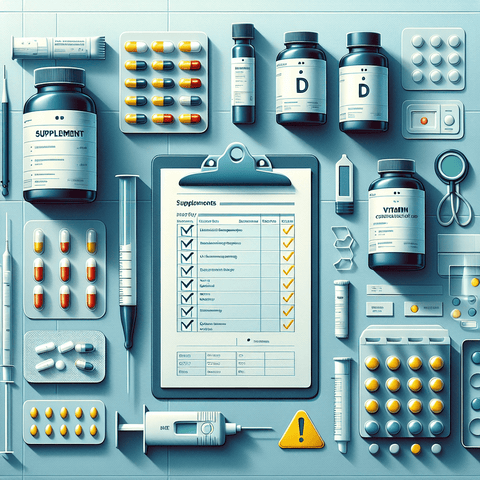
Vitamins affecting lab results is a real, well-documented issue that many people overlook before routine blood work. Certain supplements—most notably high-dose biotin and vitamin C—can interfere with common laboratory assays, sometimes producing falsely high or falsely low readings. In this guide, you'll learn which vitamins can skew lab results, which tests are most vulnerable, how long you may need to pause supplements before testing, and what to tell your clinician so your results reflect your true health status rather than a test artifact.
Vitamins Affecting Lab Results: What the Evidence Says
Why Some Vitamins Interfere with Blood Tests
Modern laboratory tests rely on chemical reactions and, increasingly, immunoassays that use antibodies to detect a substance of interest. When a vitamin or its breakdown product is chemically similar to the target molecule—or reacts with the reagents used in the test—it can distort the measurement. In immunoassays, high circulating levels of a vitamin can bind to capture antibodies in ways the test was not designed to handle, leading to unreliable signal generation.
The key point is that these are measurement errors, not changes in your actual biology. Your body may be perfectly fine, but the test itself has been compromised. This is why supplement interference is increasingly recognized by laboratories and regulatory authorities as an important source of misleading results.
What Readers Will Learn in This Guide
This article walks through the specific vitamins with documented interference, the tests most commonly affected, and the practical timing considerations before a blood draw. You'll also learn why the same supplement can affect two people differently, how food sources differ from supplements in this context, and how to choose supplement products wisely if you continue taking them.
How Vitamins and Supplements Can Affect Blood Test Results
Biotin and Thyroid Tests: The Most Documented Example
Biotin (vitamin B7) is the clearest and most clinically significant example. Many thyroid function tests—and some hormone and cardiac troponin assays—use a biotin-streptavidin detection system. High circulating biotin can compete with the test chemistry, producing falsely high free T4 and T3 readings and falsely low TSH. This pattern can mimic or mask hyperthyroidism and has led to documented cases of misdiagnosis.
The risk arises mainly with doses far above typical dietary intake—often 5,000 to 10,000 micrograms or more, common in hair, skin, and nail formulas. Biotin is water-soluble and cleared relatively quickly, but clearance time varies between individuals.
Vitamin C (Ascorbic Acid) and Glucose, Cholesterol, and Iron Testing
High-dose vitamin C can interfere with several common assays. It may cause falsely low glucose readings on some analyzers because of its reducing properties, and it can artificially lower measured cholesterol in certain test systems. It can also affect fecal occult blood tests and, paradoxically, iron studies depending on the method used. Occasional moderate intake from food is not a concern; the issue arises with high-dose supplements taken shortly before testing. You can read more about vitamin C and its role in the body to understand typical versus high-dose intakes.
Vitamin B12 and Folate Supplements vs. Blood Test Accuracy
Taking a B12 or folate supplement before a blood test can raise measured serum levels, making it harder to detect a genuine deficiency. While this is less about chemical assay interference and more about reflecting recent intake rather than tissue stores, it still matters clinically: a clinician may miss an underlying absorption problem if levels look temporarily normal. B-complex formulas often include biotin as well, compounding the issue. See our guide to B vitamins, their functions, and sources for context on where these nutrients come from in food.
Vitamin D Supplements and Calcium Blood Tests
High-dose vitamin D taken just before testing can transiently raise measured serum levels, and—over sustained periods—excessive vitamin D intake can genuinely elevate blood calcium. Distinguishing a supplement effect from a true metabolic issue is important, since elevated calcium is a finding that warrants careful follow-up. Practical advice: test vitamin D levels at consistent intervals relative to dosing, and inform your clinician about your dose. Learn more about vitamin D sources, benefits, and safety.
Niacin, Vitamin E, and Other Nutrients with Documented Interference
High-dose niacin can affect liver enzyme readings and glucose measurements. Large doses of vitamin E have been associated with altered bleeding-related markers and may affect some lipid measurements. High-dose vitamin A can elevate retinol readings beyond what reflects baseline status. In each case, the interference is dose-dependent—typical amounts found in food or standard multivitamins rarely cause problems.
Key Terms to Understand: Interference, False Highs, and False Lows
Assay Interference Explained in Simple Terms
Assay interference means something in your blood sample disrupts the test's ability to measure the target substance accurately. Two broad mechanisms exist: chemical interference, where a substance reacts with the test reagents, and immunological interference, where a substance disrupts the antibody-based detection system. The direction of the error depends on the specific assay design, which is why the same substance can cause a false high in one test and a false low in another.
Difference Between True Nutrient Levels and Test Artifacts
A true nutrient level reflects your body's actual stores and physiological state. A test artifact is a measurement error caused by something external—such as a supplement taken hours earlier. Confusing the two can lead to unnecessary treatment, missed diagnoses, or repeat testing. This is why labs increasingly ask about supplement use and why some assays now include steps to reduce biotin interference.
Why Vitamins Affecting Lab Results Matters for Your Health
Misdiagnosis Risks: When a False Result Leads to Wrong Treatment
The clinical stakes are real. Biotin-induced false thyroid results can lead to thyroid medication being started, stopped, or adjusted incorrectly. Interference with troponin—a key heart attack marker—can falsely suggest or mask cardiac injury. A falsely abnormal result may trigger anxiety, repeat testing, and invasive follow-up, while a falsely normal result may delay necessary care.
Real-World Scenarios: Thyroid Panels, Cardiac Markers, and Hormone Tests
Consider someone taking a high-dose hair, skin, and nails supplement who visits the emergency department with chest pain. If troponin assays are affected, the diagnostic picture becomes unreliable. Similarly, a patient on megadose biotin with fatigue may show thyroid results suggesting hyperthyroidism that disappears once the supplement is stopped. Hormone tests, including some fertility and cortisol assays, can also use biotin-based chemistry. These scenarios illustrate why supplement disclosure is a patient-safety issue, not just a formality.
Which Common Tests Are Most Affected by Vitamins
Thyroid Function Tests (TSH, T3, T4)
Thyroid panels are the most vulnerable to biotin interference. The typical pattern is falsely elevated free T4 and free T3 with suppressed TSH, which can be mistaken for genuine hyperthyroidism. If your results don't match your symptoms, always ask whether supplement interference could be a factor.
Troponin and Cardiac Biomarkers
Some troponin immunoassays use biotin-streptavidin technology and can produce falsely low troponin in people with high circulating biotin. In an acute setting, this is potentially dangerous, which is why emergency clinicians are increasingly trained to ask about biotin supplements.
Blood Glucose and HbA1c
Vitamin C in high doses can interfere with glucose meter readings and some laboratory glucose assays, sometimes producing misleadingly low values. Standard fasting glucose testing is generally reliable, but if you take megadose vitamin C, mention it before any glucose-related test.
Iron Studies, Ferritin, and Complete Blood Counts
Supplemental iron taken shortly before testing can raise serum iron measurements, complicating the interpretation of iron studies. Vitamin C can also affect certain iron assay methods. Routine complete blood counts are largely unaffected by vitamins, but related chemistry panels may not be.
Vitamin D, B12, and Folate Level Testing Itself
Testing your nutrient levels while taking that same nutrient gives a snapshot of recent intake rather than long-term status. For B12 and folate, this can mask malabsorption issues. Consistency matters more than perfection: many clinicians recommend testing before starting supplementation, then monitoring at regular intervals on a stable dose.
Timing Matters: How Long Before a Test Should You Pause Vitamins
General Guidance on Supplement Washout Periods
There is no universal rule, but for biotin, many clinicians suggest pausing high-dose supplements at least 48–72 hours before thyroid, hormone, or cardiac testing—sometimes longer for very high doses, since clearance varies with kidney function. For water-soluble vitamins like vitamin C, 24 hours is often considered sufficient. Always follow the specific instructions from your laboratory or clinician, as requirements differ by assay.
Fasting Labs, Morning Testing, and When to Take Your Usual Dose
If your test requires fasting, plan your supplement timing around the fast. Water-soluble vitamins taken with a large glass of water on an empty stomach are generally acceptable unless your clinician advises otherwise, but fat-soluble vitamins (A, D, E, K) are usually taken with food, which complicates fasting protocols. When in doubt, bring your supplements to the appointment and ask the staff.
Why You Should Tell Your Doctor About Every Supplement You Take
Supplements are a frequent blind spot in medical records. Bring a complete list—including multivitamins, energy powders, and beauty blends—to every appointment and lab visit. Many people don't realize that multivitamins and combination formulas often contain biotin and niacin at doses relevant to testing. Full disclosure allows your clinician to interpret results correctly.
Situations Where Lab Interference Is Most Likely
High-Dose Biotin Use for Hair, Skin, and Nails
Beauty supplements frequently contain biotin at 5,000–10,000 micrograms per serving—hundreds of times the adequate intake from food. This is the population at greatest risk of interference, often without realizing it, because biotin is perceived as harmless.
Megadose Vitamin C and Antioxidant Supplements
High-potency vitamin C products, sometimes delivering 1,000–2,000 milligrams or more per dose, can transiently reach blood concentrations capable of interfering with certain assays. Learn more about how antioxidants work in the body to distinguish sensible from excessive intakes.
Multivitamins, B-Complex Formulas, and Energy Supplements
Standard multivitamins usually contain biotin at physiological doses (around 30 micrograms), which is unlikely to interfere. However, high-potency B-complex and energy formulas often contain much larger amounts. Check labels for biotin, niacin, and vitamin B6 content before testing.
Individual Variability: Why the Same Vitamin Affects People Differently
Dose, Timing, Kidney Function, and Metabolism
The extent of interference depends on how much you took, how recently, and how quickly your body clears it. Kidney function is particularly important for water-soluble vitamins: reduced renal clearance means biotin and vitamin C remain in circulation longer, extending the washout period needed before testing.
Age, Health Status, and Absorption Differences
Older adults, people with kidney disease, and those with altered gastrointestinal absorption may experience different circulating levels from the same dose. This variability is one reason laboratories cannot rely on fixed rules alone and why communication between patient and clinician matters so much.
Food Sources of Vitamins: Do They Affect Lab Results Too?
Why Normal Dietary Intake Rarely Interferes with Testing
Foods rich in biotin—eggs, liver, nuts, seeds—or vitamin C—citrus fruit, peppers, berries—provide amounts well within physiological ranges. Your body has evolved to handle these intakes, and blood concentrations remain far below levels that disrupt assays. You do not need to change your diet before a blood test.
When Food-First Nutrition Still Matters for Accurate Health Assessment
A balanced diet provides nutrients in forms and ratios the body uses efficiently, alongside fiber and phytochemicals. Maintaining consistent, food-first eating habits also makes your lab results more representative of your baseline health over time, which improves the quality of any clinical assessment.
Where Supplementation May Still Be Relevant
When Dietary Intake May Fall Short of Your Needs
Supplementation has legitimate roles: vitamin D in winter months or with limited sun exposure, B12 for people following vegan diets or with absorption challenges, folic acid in pregnancy, and iron in cases of documented deficiency. These situations involve increased needs or reduced intake—not general insurance against unknown problems.
Nutritional Support vs. Treatment: Understanding the Difference
Supplements are intended to support nutritional status, not to diagnose, treat, or cure disease. If a lab result suggests a deficiency or abnormality, the appropriate response is professional evaluation to find the underlying cause—not self-prescribing higher doses. Treatment decisions belong with a qualified clinician.
Balancing Supplement Use with Accurate Health Monitoring
If you benefit from ongoing supplementation, you don't necessarily need to stop long-term. The goal is smarter timing around tests and full transparency with your healthcare team so that monitoring remains accurate.
How to Choose a Quality Vitamin Supplement
Nutrient Forms and Bioavailability: Methylcobalamin, D3, and More
Nutrient form affects absorption and usability. Vitamin D3 (cholecalciferol) is generally preferred over D2 for maintaining vitamin D status, and methylcobalamin is a well-absorbed form of B12, particularly relevant for people with certain genetic variants. That said, evidence comparing some forms is limited, and differences are not always clinically meaningful at equivalent doses.
Sensible Dosages: Why Megadoses Increase Interference Risk
Choosing supplements near recommended daily intakes rather than megadoses reduces both safety risks and the likelihood of lab interference. Higher doses are not automatically more effective; for fat-soluble vitamins in particular, excess can accumulate. Check vitamin E benefits and safety considerations as one example of why upper limits matter.
Single-Nutrient Products vs. Multivitamins and B-Complex Blends
Single-nutrient products make it easier to know exactly what you're taking and to pause one ingredient before a test. Combination products are convenient but make it harder to track total intake of biotin, niacin, or other interfering nutrients across multiple products.
Third-Party Testing, Certifications, and Purity Standards
Look for products manufactured under recognized quality standards and, where available, third-party tested for purity and label accuracy. This reduces the risk of undisclosed ingredients or inconsistent dosing—both of which complicate interpretation of lab results.
Capsules, Tablets, Powders, and Liquids: Practical Differences
The delivery form mainly affects convenience, tolerability, and in some cases absorption speed—not intrinsic quality. Choose a form you'll take consistently, and store fat-soluble vitamins away from heat and light to preserve stability.
How to Read a Supplement Label for Dosage and Quality
Serving Size, %DV, and Hidden Added Biotin or Niacin
Always check the serving size first—a formula may list biotin at 10,000 micrograms per serving while the %DV column shows a figure in the thousands of percent. Scan for biotin, niacin, and vitamin C content in any blend, including "beauty" and "energy" products where these nutrients are common.
Added Ingredients, Fillers, Allergens, and Dietary Preferences
Review the full ingredient list for allergens, sweeteners, and fillers if you have sensitivities or dietary preferences. Many products now specify vegan, gluten-free, or allergen-free status, which helps narrow suitable options without guessing.
Who Should Pay Closest Attention to Vitamins Affecting Lab Results
People Undergoing Routine Health Screenings
If you have an annual check-up, pre-employment screening, or insurance blood work scheduled, review your supplement routine a week in advance. Routine panels often include thyroid and metabolic markers that are vulnerable to interference.
Those with Thyroid, Cardiac, or Metabolic Conditions
If you take thyroid medication, monitor blood sugar, or have a heart condition, supplement interference can directly affect treatment decisions. Coordinate supplement timing with your clinician before any monitoring test.
Individuals Taking High-Dose Beauty or Energy Supplements
Hair, skin, nail, and energy-boosting products are the most common hidden sources of high-dose biotin and niacin. If you use these products, treat them as medications with respect to lab testing.
Safety, Interactions, and When to Talk to a Professional
Upper Intake Limits and Risks of Excess Vitamins
Most water-soluble vitamins are excreted readily, but persistent megadoses carry risks. Niacin can affect liver function at high doses, vitamin E in large amounts may influence bleeding risk, and chronic excess vitamin A or D can cause toxicity. Respecting established upper intake levels is a simple safeguard.
Vitamin–Medication Interactions That Affect Testing and Treatment
High-dose vitamin E can interact with anticoagulants, niacin can affect lipid-lowering therapy, and biotin interference can distort results used to adjust thyroid medication. If you take prescription medication, discuss your supplements with a pharmacist or physician rather than assuming they are always neutral.
Pregnancy, Chronic Conditions, and Testing Considerations
Pregnancy changes nutrient requirements and testing interpretation, and chronic kidney or liver disease alters supplement clearance. In these situations, never pause or adjust supplements before testing without professional guidance—some, like folic acid in pregnancy, should not be interrupted.
Should You Stop Your Vitamins Before a Blood Test? A Practical Decision Guide
Questions to Ask Before Your Next Lab Appointment
- Which supplements am I currently taking, including combination products?
- Do any of them contain high-dose biotin, vitamin C, or niacin?
- Which tests am I having, and are they known to be vulnerable to interference?
- How long before the draw should I pause, according to my lab or clinician?
- Should any supplements be continued without interruption due to medical need?
When Dietary Habits Alone May Be Enough
If you eat a varied diet, have no diagnosed deficiencies, and use supplements only occasionally, you likely don't need to change anything except pausing relevant products briefly before testing. Food-first nutrition meets most people's needs when intake is consistent and diverse.
When Continued Supplementation with Smarter Timing Makes Sense
If you have a documented deficiency, limited dietary intake, or increased requirements, continued supplementation with adjusted timing around tests is usually the sensible path. Pausing briefly before a blood draw rarely affects long-term nutritional status.
Key Takeaways: Getting Accurate Lab Results While Supporting Your Nutrition
Summary of Practical Steps Before Any Blood Test
- High-dose biotin is the most documented cause of vitamin-related lab interference, especially in thyroid and cardiac tests.
- Vitamin C, niacin, vitamin E, and vitamin A can also affect specific assays at megadose levels.
- Normal dietary vitamin intake rarely interferes with blood tests.
- Many clinicians suggest pausing high-dose biotin for 48–72 hours before vulnerable tests; follow your lab's specific instructions.
- Interference can cause both falsely high and falsely low results, depending on the assay.
- Always tell your doctor and the lab about every supplement you take, including multivitamins and beauty blends.
- Standard multivitamins at physiological doses are unlikely to cause interference.
- Test nutrient levels consistently relative to dosing to get meaningful trend data.
- Never stop supplements before testing during pregnancy or under medical treatment without professional advice.
- Choosing sensible doses and quality-tested products reduces both safety risks and interference concerns.
Making Informed Choices About Supplements and Health Monitoring
Accurate lab results and good nutrition are complementary goals, not competing ones. With informed timing, transparent communication, and evidence-aware product choices, you can support your nutritional status while ensuring your tests reflect reality.
Frequently Asked Questions
Can biotin really change my thyroid test results?
Yes. This is the most documented example of vitamin interference. High circulating biotin can cause falsely high free T4 and free T3 and falsely low TSH, potentially mimicking hyperthyroidism. Effects are dose-dependent and most relevant at 5,000 micrograms per day or more.
How long should I stop biotin before a blood test?
Many laboratories recommend pausing high-dose biotin at least 48–72 hours before thyroid, hormone, or troponin testing. Clearance varies with dose and kidney function, so some clinicians suggest up to a week for very high doses. Always follow your lab's specific instructions.
Does a regular multivitamin affect lab results?
Standard multivitamins contain biotin and other vitamins at doses close to recommended intakes, which rarely interfere with testing. High-potency formulas are the greater concern. Check your label and mention the product to your clinician anyway.
Can vitamin C cause a false glucose reading?
High-dose vitamin C can interfere with some glucose meters and laboratory assays, sometimes producing misleadingly low values. Dietary vitamin C from food does not cause this problem.
Should I fast before blood tests if I take supplements?
Follow the fasting instructions from your lab, and ask specifically about supplements when scheduling. Water-soluble vitamins with water are usually acceptable, but your lab's guidance takes priority.
Can supplements mask a vitamin B12 deficiency?
Yes. Taking B12 before testing can raise serum levels temporarily, potentially hiding an underlying absorption problem. If deficiency is suspected, clinicians may prefer testing before supplementation or using additional markers.
Do foods high in biotin, like eggs, interfere with tests?
No. Dietary biotin intake produces blood concentrations far below levels that disrupt assays. Only concentrated supplemental doses are a concern.
Which cardiac tests can be affected by vitamins?
Some troponin immunoassays use biotin-based chemistry and can produce falsely low troponin readings in people with high circulating biotin. This is why emergency clinicians increasingly ask about biotin supplements.
Can vitamin D supplements affect a calcium test?
A single dose shortly before testing may transiently raise measured vitamin D levels. Chronic excessive vitamin D intake can genuinely elevate blood calcium, which is why doses should stay within recommended ranges.
Is it safe to take megadoses of vitamins?
Megadoses are generally unnecessary and carry risks, including liver effects from high-dose niacin, bleeding-related concerns with large vitamin E doses, and toxicity from excess vitamin A or D. Stay within established upper intake levels unless a clinician directs otherwise.
What should I tell my doctor before blood work?
Provide a complete list of all supplements, including multivitamins, beauty blends, and energy powders, with doses. This allows accurate interpretation of results and appropriate scheduling of any washout period.
Can lab interference cause a wrong diagnosis?
It can contribute to one. Documented cases include incorrect hyperthyroidism diagnoses and misleading cardiac workups caused by biotin interference. This is why disclosure and proper timing before testing are considered patient-safety practices.
Related Keywords
- vitamins affecting lab results
- biotin interference blood tests
- supplements that interfere with blood tests
- biotin and thyroid test accuracy
- vitamin C lab test interference
- how long to stop biotin before blood test
- false thyroid test results supplements
- troponin test biotin interference
- can multivitamins affect blood tests
- fasting blood test and supplements
- high-dose vitamin supplements safety
- vitamin B12 supplement before blood test
- nutrient testing accuracy