
Vitamins deficiency symptoms can appear long before you feel unwell. By tuning into what your body is telling you, you can act with awareness and care. This page highlights the idea that recognizing vitamins deficiency symptoms is a proactive step, not a diagnosis, and it emphasizes careful observation and professional guidance as you navigate your health journey. Seven common vitamins deficiency symptoms to watch for include: persistent fatigue or low energy; mood changes or irritability; changes in skin texture or complexion; hair that looks thinner or more brittle; nails that break easily; tingling or numbness in hands and feet; and vision changes or eye strain. Seeing one or more of these signals doesn’t prove a deficiency, but it can be a prompt to seek further evaluation and guidance from a clinician. Understanding what your body is telling you means looking for patterns over time and keeping notes about recurring signals. If these vitamins deficiency symptoms persist or recur, consider discussing them with a healthcare professional who can help assess what they might indicate and what appropriate next steps could be. The emphasis here is on awareness and careful, individualized evaluation rather than quick fixes. Click to protect your health now. This page aims to provide a thoughtful, non-prescriptive overview of how to respond to vitamins deficiency symptoms, encouraging you to seek professional guidance and take a measured approach to maintaining balance that respects your unique needs.
7 Vitamin Deficiency Symptoms You Shouldn't Ignore - Learn What Your Body Is Trying to Tell You
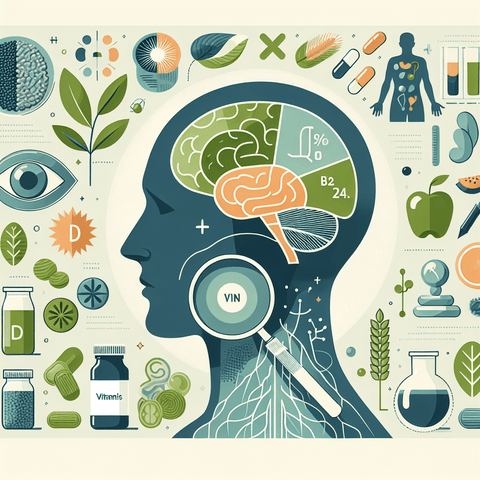
How to Know If You Need Vitamins: Recognizing the SignsKnowing whether you need vitamins starts with paying attention to your body. Persistent fatigue, low energy, hair loss, brittle nails, mood changes, and frequent infections can all point to possible nutrient gaps. These symptoms may relate to deficiencies in vitamin D, B12, iron, magnesium, or other essential nutrients. While a balanced diet is the best foundation, modern lifestyles and dietary restrictions often leave room for improvement. Recognizing consistent patterns and understanding your personal risk factors helps you decide whether supplementation might be necessary.Steps to Assess Your Nutritional StatusTo assess your nutritional status, start by keeping a one-week diet log to evaluate how many fruits, vegetables, whole grains, and proteins you consume. Consider lifestyle factors such as smoking, alcohol use, stress, and medications, since these can deplete nutrients. If you follow a vegan or vegetarian diet, or you are pregnant, breastfeeding, or older, your needs may be higher. Professional blood tests, including vitamin D, B12, iron, and magnesium levels, remain the gold standard for confirming a deficiency. Talk to a healthcare provider before starting any long-term supplement plan.Choosing Supplements Wisely and Next StepsOnce you identify a genuine need, choose high-quality supplements from reputable brands that use bioavailable forms and avoid unnecessary fillers. Be cautious with fat-soluble vitamins like A, D, E, and K, because excessive intake can be toxic. The best approach is to combine dietary improvements with targeted supplementation, only when validated by testing or professional advice. Start by consulting your healthcare provider and tracking your symptoms—this gives you a clear picture of your individual needs and supports safe, informed decisions.

Recognizing vitamin gaps starts with understanding the signs of lacking vitamins, including persistent fatigue, low energy, frequent infections, slow wound healing, brittle hair and nails, dry skin, mood changes, brain fog, and bone or muscle pain. Common vitamin deficiency causes include restricted diets, digestive conditions, aging, certain medications, and poor nutrient intake. Vitamin D, B12, folate, iron, zinc, and vitamin C deficiencies may produce different symptoms, while severe B12 or folate deficiency can contribute to leukopenia. A vitamin deficiency test, including blood tests for vitamin D, B12, folate, ferritin, and a CBC, can confirm suspected vitamins deficiency and guide safe dietary or supplement choices.