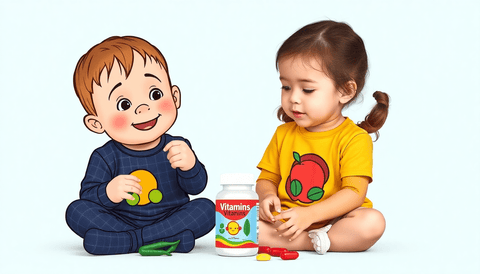
Vitamins for kids immunity is one of the most searched nutrition topics by parents — and one of the most misunderstood. Children encounter new germs constantly, especially in daycare and school, and many parents wonder whether specific vitamins can help their child's immune system function well. This article explains how the immune system in children works, which nutrients genuinely play a role in immune function, how to recognize potential dietary gaps, and when a supplement may — or may not — be worth considering. You will also learn how to evaluate supplement quality and safety, so you can make an informed decision based on your child's actual needs rather than marketing claims.
How Does the Immune System in Children Actually Work?
A child's immune system is a network of cells, tissues, and signaling molecules that recognizes and responds to pathogens such as viruses and bacteria. It has two main branches: the innate immune system, which provides rapid, general defense, and the adaptive immune system, which learns to recognize specific pathogens and builds memory after infections or vaccinations. Several nutrients — including vitamin C, vitamin D, vitamin A, and zinc — are involved in these processes, which is why nutrition and immunity are so closely linked.
Why Children's Immune Systems Are Different from Adults
Children are not simply small adults when it comes to immunity. Their adaptive immune system is still maturing, meaning they have not yet built up the library of antibodies that adults accumulate over years of exposure to common pathogens. This is why young children can experience six to eight or more respiratory infections per year — a frequency that is generally considered normal rather than a sign of a weak immune system. Nutritional requirements also differ: children need adequate energy, protein, and micronutrients to support both growth and immune development simultaneously.
The Difference Between a Strong Immune System and Getting Sick
A common misconception is that a "strong" immune system means never getting sick. In reality, occasional mild infections are how a child's immune system learns and builds memory. Immune competence is better measured by how well the body responds to and recovers from infections, not by the absence of colds. Frequent, severe, or unusually prolonged infections may warrant medical evaluation, but catching the typical childhood sniffles is usually a normal part of immune development — not evidence that vitamins are missing.
What Role Do Specific Vitamins Play in Kids' Immune Health?
Several vitamins and minerals contribute to normal immune system function. The European Food Safety Authority (EFSA) has authorized health claims for vitamin C, vitamin D, vitamin A, and zinc relating to immune function — but these claims describe a role in normal immune function, not disease prevention. Understanding what each nutrient actually does helps put supplement marketing into perspective.
Vitamin C: What It Does and What It Doesn't Do for Colds
Vitamin C supports the normal function of immune cells and acts as an antioxidant, protecting cells from oxidative stress. It also contributes to normal collagen formation, which supports skin and mucous membranes — physical barriers against pathogens. What vitamin C does not do, according to the overall body of research, is prevent colds in the general population. Regular vitamin C intake has been associated in some studies with slightly shorter cold duration, but the evidence is modest and results vary. For children who already eat plenty of fruit and vegetables, additional vitamin C offers no proven extra protection.
Vitamin D: The Sunshine Vitamin and Immune Regulation
Vitamin D is unusual because most children get only a small amount from food. The body produces it when skin is exposed to sunlight, but in countries at higher latitudes, sun exposure is insufficient for much of the year. Vitamin D contributes to the normal function of the immune system, and immune cells carry vitamin D receptors, suggesting it plays a regulatory role. Research has examined links between vitamin D status and respiratory infections, with some observational studies finding associations between low levels and higher infection rates — though evidence for supplementation reducing infections in well-nourished children remains mixed. In many European countries, pediatric guidelines routinely recommend a vitamin D supplement for infants and young children precisely because dietary intake is rarely sufficient. You can read more in our guide on vitamin D benefits, sources and safety.
Zinc: A Mineral That Supports Immune Cell Function
Zinc is technically a mineral rather than a vitamin, but it belongs in any discussion of kids' immunity because it contributes to normal immune system function and plays a role in the development and activity of immune cells. Zinc also supports normal growth, appetite, and wound healing. Meat, poultry, dairy, whole grains, and legumes are the main dietary sources. Zinc deficiency is uncommon in children with a varied diet, but limited intake — for example in very restrictive diets — may increase risk.
Vitamin A: The "Anti-Infection" Vitamin Explained
Vitamin A has long been called the "anti-infection" vitamin because it contributes to the normal function of the immune system and helps maintain the integrity of skin and mucous membranes, the body's first physical barriers. It also supports normal vision and development. In wealthy countries, true vitamin A deficiency is rare, since the vitamin is found in dairy, eggs, fish, and as beta-carotene in orange and green vegetables. Notably, excess vitamin A is more of a concern in these countries than deficiency, which has safety implications discussed later. More detail is available in our vitamin A guide.
Do Most Kids Actually Lack These Vitamins?
While immune-supporting nutrients matter, the assumption that most children are deficient is not supported by evidence. In well-nourished populations, frank deficiencies of vitamin C, vitamin A, and zinc are uncommon. Vitamin D is the notable exception, since dietary intake is low for nearly everyone and sun exposure varies widely. That said, certain eating patterns can create less-than-optimal intakes of one or more nutrients.
Common Dietary Gaps in Picky Eaters
Picky eating is a normal developmental phase, but highly selective diets can lead to lower intakes of specific nutrients. Common gaps include vegetables and fruit (affecting vitamin C and folate), oily fish (affecting vitamin D and omega-3s), and, in children who avoid meat and dairy, iron and zinc. A child who eats only a narrow set of accepted foods may still grow well while having suboptimal intakes of some micronutrients — a nuance that matters when deciding whether to supplement.
How to Tell if Your Child Has a Nutritional Shortfall
Parents often look for signs like frequent colds, tiredness, or poor appetite, but these symptoms are nonspecific and can have many causes unrelated to nutrition. More reliable indicators of a possible shortfall include a consistently restricted diet over months, very low consumption of entire food groups, or growth concerns noticed during routine check-ups. Clinical signs of true deficiency — such as the bleeding gums associated with severe vitamin C deficiency — are rare in children with any regular diet.
Why You Shouldn't Self-Diagnose a Deficiency in Children
Symptoms alone cannot establish a child's nutritional status. Blood tests exist for some nutrients (such as vitamin D and iron status), and a pediatrician can interpret diet, growth, and symptoms together. Self-diagnosing a deficiency and starting high-dose supplementation without guidance carries real risks, particularly with fat-soluble vitamins. If you suspect a shortfall, discussing it with your child's doctor is a more reliable route than trial-and-error supplementation.
Beyond a Multivitamin: Which Foods Naturally Support Kids' Immunity?
Food should be the foundation of any conversation about vitamins for kids' immunity. A varied diet provides not only vitamins and minerals but also fiber, protein, and phytochemicals that supplements cannot replicate. Most children with a reasonably varied diet meet their needs for vitamin C, vitamin A, and zinc through food alone.
Building a Rainbow Plate: Practical Food Pairings for Better Absorption
Different colors of fruit and vegetables signal different nutrient profiles: orange produce (carrots, sweet potato, mango) provides beta-carotene, a precursor of vitamin A; citrus, berries, and peppers are rich in vitamin C; legumes and whole grains contribute zinc. Practical pairing also matters. Beta-carotene and vitamins A, D, E, and K are fat-soluble, so serving them with a little fat — such as olive oil on roasted vegetables — improves absorption. Vitamin C enhances the absorption of plant-based (non-heme) iron, so combining lentils with peppers or citrus is a useful strategy for children eating little meat.
The Role of Sleep, Hydration, and Physical Activity in Immunity
Immune health is not just about nutrients. Adequate sleep is essential — much of immune memory consolidation happens during sleep, and chronic sleep restriction has been associated with higher infection rates in observational research. Regular physical activity supports overall health and circulation of immune cells, and adequate hydration keeps mucous membranes moist, supporting their barrier function. These lifestyle factors work alongside nutrition; no supplement can compensate for chronic sleep deprivation.
Does Limiting Sugar Actually Matter for Immune Function?
The popular claim that sugar "suppresses" the immune system is often exaggerated, but sugar still matters indirectly. Diets high in sugary foods and drinks tend to displace nutrient-rich foods, potentially lowering overall vitamin and mineral intake. Excess sugar consumption is also linked to dental caries and unhealthy weight gain, both relevant to long-term health. The sensible conclusion: limit sugary snacks and drinks primarily as part of a generally healthy diet, not because of dramatic immune-suppression claims.
When is a Kids' Immunity Supplement Actually Necessary?
Supplementation is situation-dependent, not routine for every child. The question is whether your child's diet and lifestyle realistically meet their needs — and for some nutrients, notably vitamin D, the answer often is no, regardless of diet quality.
Signs Your Child's Diet Might Not Be Enough
Rather than watching for vague symptoms, look at the diet itself. A supplement may reasonably be considered when a child consistently eats almost no vegetables or fruit, has multiple food allergies or intolerances, follows a restrictive diet (such as vegan without planning), or is going through an extended picky-eating phase with very few accepted foods. Growth faltering or repeated dietitian concerns also point toward evaluating nutritional status professionally.
Specific Scenarios Where Pediatricians Might Recommend Supplements
Pediatricians commonly recommend supplementation in defined situations: daily vitamin D for infants and young children (standard practice in many European countries), vitamin B12 for children following vegan diets, iron in cases of confirmed low iron status, and targeted supplementation for children with malabsorption conditions or chronic illnesses. These recommendations are based on established gaps between typical intake and physiological needs, not on a general desire to "boost immunity."
The Truth About "Boosting" Immunity with High-Dose Vitamins
Perhaps the most important point in this article: high doses of vitamins do not boost a child's immune system beyond normal function. Immune cells that already have adequate nutrients cannot be made to perform better with more. Studies of high-dose vitamin C in children have not shown meaningful cold prevention, and megadoses carry side-effect risks. A well-nourished immune system is already functioning optimally; the goal of nutrition is to avoid deficiency, not to push intake as high as possible.
How to Choose a Quality Vitamin Supplement for Kids
If a supplement is genuinely appropriate for your child, product quality and composition matter. Children's supplements differ substantially in form, dosage, and added ingredients.
Gummies vs. Tablets vs. Liquids: Which Delivery Form is Best?
Liquids and drops are practical for infants and toddlers who cannot swallow tablets. Chewables and tablets work well for slightly older children and often contain less sugar than gummies. Gummies are the most popular form but have trade-offs: they typically contain added sugars or sweeteners, may include fewer nutrients due to formulation limits, and their candy-like appearance increases overdose risk if not stored safely. Whichever form you choose, it must be dosed for the child's age and stored out of reach.
Important Nutrients to Look For (and Avoid) on the Label
Look for age-appropriate doses of nutrients relevant to your child's actual gap — for example, vitamin D alone, or a broad multivitamin for a very restricted diet. Be cautious with products stacked with herbal extracts and "immune blends" that have limited pediatric safety data. Generally, simpler is safer for children. For a broader understanding of product composition, our multivitamins guide covering ingredients, usage and safety is a useful starting point.
Decoding Dosages: How to Read Milligrams, IUs, and Percent Daily Values
Children's supplements list doses in milligrams (mg), micrograms (mcg or µg), or International Units (IU, used for vitamins A, D, and E). The percentage of the daily value (DV) or reference intake (RI) tells you how much of an adult-oriented or age-specific daily recommendation one serving provides. Check that the product specifies a dose for your child's age group, and remember that the goal is typically to fill a gap — a product providing several hundred percent of the daily value is not "extra good," it may be unnecessarily high.
Red Flags: Artificial Colors, Excess Sugar, and Questionable Additives
Scrutinize the ingredient list, not just the nutrient panel. Red flags include sugar or glucose syrup as a leading ingredient, artificial colors and flavors, and sweeteners that add little nutritional value. Products from manufacturers with third-party testing and transparent labeling are generally preferable. A general overview of natural supplement quality standards can be found in our natural supplements collection.
Safety and Interactions: Is There Such a Thing as Too Many Vitamins?
Yes — children are more vulnerable to vitamin excess than adults because of their lower body weight and lower tolerable upper intake levels. Overdose risk is real, particularly with fat-soluble vitamins.
The Risks of Fat-Soluble Vitamins (A, D, E, K) Building Up
Water-soluble vitamins like vitamin C are largely excreted in urine when taken in excess. Fat-soluble vitamins A, D, E, and K are stored in body tissue and can accumulate over time. Chronic excessive vitamin A intake in children can affect bone health and, acutely, cause toxicity symptoms; very high vitamin D intake can cause dangerous calcium levels. This is why pediatric doses are set lower than adult doses and why adult supplements should never be given to children.
Avoiding Overlap: Checking for Nutrients in Multiple Products
A common and easily avoidable mistake is giving a child a multivitamin plus a separate vitamin D drops product plus fortified foods, inadvertently exceeding recommended amounts. Before combining products, list the nutrients each provides per serving and add them up. Fortified breakfast cereals, drinks, and milk products also contribute, so they count toward total intake.
When You Must Consult a Pediatrician Before Supplementing
Always involve a pediatrician before supplementing if your child has a chronic condition or takes regular medication, if kidney or liver problems exist, if your child is under two years old and a product is not specifically formulated for infants, or if you are considering doses above standard recommendations. Medications such as certain antibiotics can interact with mineral supplements, and children with conditions affecting fat absorption may need tailored dosing.
Making the Decision: Multivitamin or Single-Nutrient Supplement?
The choice between a broad multivitamin and a targeted single nutrient depends on the nature of the gap. If the diet is broadly restricted — for instance during a prolonged picky-eating phase — a child-appropriate multivitamin covering multiple nutrients at modest doses may be reasonable. If the gap is specific and known, such as vitamin D in winter months or B12 in a vegan diet, a single-nutrient supplement is more targeted and avoids unnecessary intake of everything else.
Questions to Ask Your Doctor About Your Child's Immunity
- Given my child's diet, are any nutrient intakes likely to be low?
- Is vitamin D supplementation appropriate for my child's age and where we live, and at what dose?
- Would a blood test be useful before starting any supplement?
- Are my child's infection patterns within the normal range for their age?
- Do any of my child's medications interact with vitamin or mineral supplements?
Building a Long-Term Plan for Your Child's Immune Resilience
Think of immune resilience as a long-term foundation: a varied diet with plenty of vegetables, fruit, whole grains, and protein sources; age-appropriate sleep; daily physical activity; routine vaccinations; and sensible sun habits. Supplements, where needed, fill specific gaps within that foundation — they do not replace it. Reassess as your child grows, since needs and eating habits change over time.
Key Takeaways: A Balanced Approach to Kids' Immunity
- Occasional mild infections are a normal part of childhood immune development, not proof of a weak immune system.
- Vitamin C, vitamin D, vitamin A, and zinc each contribute to normal immune function, but none prevents colds outright.
- Vitamin D is the nutrient where supplementation is most often genuinely relevant, since food rarely provides enough and sun exposure varies.
- True deficiencies of vitamin C, vitamin A, and zinc are uncommon in children with a reasonably varied diet.
- Aim for a colorful, varied diet first; pair fat-soluble vitamins with a little fat for better absorption.
- Sleep, physical activity, and hydration support immune health alongside nutrition.
- High-dose vitamins do not "boost" immunity beyond normal function and can carry risks in children.
- Fat-soluble vitamins (A, D, E, K) can accumulate; check for overlap between multivitamins, single supplements, and fortified foods.
- Choose age-appropriate, simply formulated products and consult a pediatrician before supplementing in special situations.
Frequently Asked Questions
Can vitamins prevent my child from getting colds?
No vitamin has been shown to prevent colds in otherwise well-nourished children. Vitamin C and zinc have been studied for cold duration and severity with mixed, modest results. The realistic goal of nutrition is supporting normal immune function, not eliminating infections.
Should I give my child vitamin D year-round?
For infants and young children, daily vitamin D supplementation is standard pediatric practice in many countries because food sources are limited. For older children, needs depend on sun exposure, latitude, skin tone, and diet, so it is best discussed with your pediatrician.
Are gummy vitamins as effective as tablets?
The nutrients in gummies can be equally absorbable, but gummies often contain added sugars, may include fewer nutrients due to formulation limits, and pose a higher overdose risk because they look like candy. Chewable tablets are often a more practical choice for children old enough to chew safely.
How much vitamin C does a child need?
Needs vary by age and are modest — generally in the range of tens of milligrams per day, easily met by normal amounts of fruit and vegetables such as citrus, berries, peppers, and kiwi. Check age-specific reference values on national health authority websites or ask your pediatrician rather than relying on supplement labels.
Can a child overdose on vitamins?
Yes, particularly with fat-soluble vitamins A and D and with iron. Children's lower body weight means smaller doses reach toxic levels. Always store supplements out of reach and treat them like medication.
Does my picky eater need a multivitamin?
Not necessarily, but a prolonged, highly restricted diet may lead to low intakes of specific nutrients. Reviewing your child's actual food intake with a pediatrician or dietitian is a better starting point than guessing which supplement to buy.
Do immune-boosting drinks or powders for kids work?
There is no evidence that specialized "immune-boosting" drinks outperform a normal varied diet. Many contain sugar and additives with little nutritional value. Whole foods remain the better source of immune-relevant nutrients.
Is zinc safe for children?
Zinc at age-appropriate doses is safe and contributes to normal immune function, but excessive intake can interfere with copper absorption and cause other issues. Use pediatric-formulated products only and avoid combining multiple zinc-containing products.
Can too much vitamin A harm my child?
Yes. Chronic excess vitamin A intake can affect bone health and cause toxicity, and children have lower tolerable upper limits than adults. Be especially careful when combining liver-rich foods, fortified products, and supplements.
Are there blood tests to check my child's vitamin levels?
Validated tests exist for some nutrients, such as vitamin D status and iron indicators. Routine screening of every vitamin in healthy children is not standard practice, so testing decisions are best made with a pediatrician based on diet and symptoms.
Do probiotics help kids' immunity?
Research on probiotics and childhood respiratory infections shows mixed results, with some studies suggesting modest effects on duration or incidence depending on the strain. Probiotics are not a substitute for good nutrition, and evidence is not strong enough for a general recommendation.
When should I worry about my child getting sick too often?
The frequency of "too often" depends on age, severity, and duration of illness. Young children in group care commonly have many mild infections per year. Frequent severe infections, repeated hospitalizations, or unusual complications warrant medical evaluation rather than self-prescribed supplements.
Related Keywords
- vitamins for kids immunity
- immunity vitamins for children
- best vitamins for kids immune system
- children's multivitamin guide
- vitamin D for kids
- vitamin C dosage for children
- zinc supplements for children
- kid-friendly immune-boosting foods
- picky eater vitamin deficiency
- can children take too many vitamins
- gummy vitamins vs tablets
- supplements recommended by pediatricians
- child immune system development