Vitamins Guide: Types, Benefits & How to Choose


Understanding Vitamins: Types, Benefits, and Daily Needs

Vitamins are essential organic compounds that your body needs to function correctly. They are broadly divided into two categories: fat-soluble vitamins like A, D, E, and K, which your body stores, and water-soluble vitamins like the B-complex and vitamin C, which need regular replacement. This guide provides an overview of what these 13 essential vitamins do, how they support immunity and energy, and how to ensure you are getting enough through diet and lifestyle.

Identifying Deficiencies and How to Address Them

Here, we delve into common signs of vitamin deficiency, such as persistent fatigue, skin changes, or a weakened immune system. You will discover how factors like age, diet, and gut health can lead to nutrient gaps and why consulting with a healthcare provider for testing is crucial. This guide helps you differentiate between everyday tiredness and symptoms that may warrant a closer look at your nutritional status, providing a framework for informed decisions.

Choosing Supplements and a Path to Optimal Wellness

Learn how to choose high-quality vitamin supplements that complement your diet. We cover everything from reading labels to understanding bioavailability and safety precautions, helping you make a confident choice. Whether you need a daily multivitamin for a solid foundation or have more specific needs, this guide helps you navigate the world of supplementation safely and effectively for long-term health and wellness.


Which vitamins from the drugstore are good? - Topvitamine
Nov 20, 2025
Why Drugstore Vitamins Can Be a Good ChoiceDrugstore vitamins are a convenient and affordable way to fill nutrient gaps, but not all products are equal. Many national and store brands offer high-quality, third-party-tested supplements that meet strict standards. The key is to evaluate the Supplement Facts panel, choose bioavailable nutrient forms, and avoid unnecessary additives. Even budget-friendly options can be effective when you focus on ingredient quality and transparent labeling rather than price alone.How to Choose Quality Vitamins at the DrugstoreTo select the best vitamins from the drugstore, check for GMP certification and third-party testing, which indicate reliable manufacturing and purity. Compare cost per serving rather than shelf price, and prioritize products with active forms like vitamin D3, methylated B12, or magnesium glycinate. For most people, a high-quality multivitamin combined with targeted supplements—such as vitamin D, omega-3s, or magnesium—covers foundational needs. Always consider your diet, lifestyle, and any health conditions.Top Drugstore Vitamin Brands and What to Look ForPopular drugstore brands like Nature Made, Nature's Bounty, and Centrum are widely available and often meet quality standards. Store brands from major retailers can also be good choices, offering comparable ingredients at lower prices. Look for transparency about sourcing and third-party seals. If you have special health needs, consult a healthcare professional to tailor your supplement routine.
Which vitamins are for what table? - Topvitamine
Nov 14, 2025
This comprehensive guide explains vitamins, their essential roles, and how to interpret them across a nutrition chart, supplement label, or dietary plan. It outlines vitamin functions for vitamins A, B, C, D, E, and K, including immune support, bone health, energy metabolism, vision, blood clotting, and antioxidant protection. Readers will learn about vitamin sources in whole foods, when vitamin supplements may help, and how to choose products through a practical supplement guide. The article also covers vitamin deficiency symptoms, testing, safe dosing, fat- and water-soluble vitamins, nutrition supplementation, and strategies for avoiding duplicate intake or excessive doses.
Are vitamins from the pharmacy better than from the drugstore? - Topvitamine
Nov 01, 2025
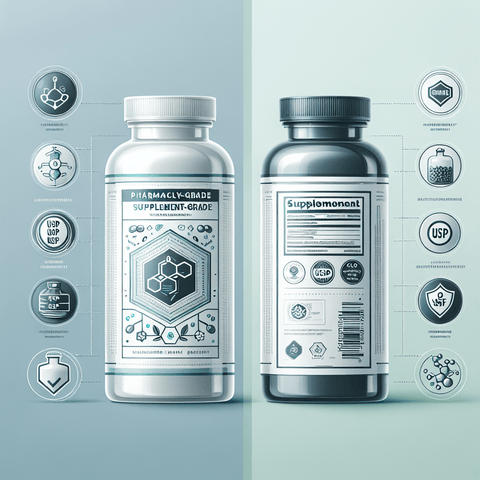
Pharmacy vs. Drugstore Vitamins: What's the Difference?Pharmacy-grade vitamins, sometimes called professional-grade, are typically manufactured in cGMP-certified facilities, undergo extensive testing for purity and potency, and often use bioavailable nutrient forms. Retail drugstore vitamins, while convenient and affordable, can vary widely in quality, with some lacking third-party verification or using fillers that may reduce absorption. Understanding these differences helps you make an informed choice that matches your health needs and budget.Quality and Safety ConsiderationsThird-party testing seals like USP or NSF indicate a supplement has been independently verified for accuracy and purity. Retail products may not always meet these standards. Low-quality supplements risk mislabeling, contamination, or poor bioavailability. Pharmacy-grade products often provide more consistent dosing and clinically backed ingredients, but not all retail options are inferior—some reputable brands sold in drugstores and online also meet high standards. Learning to read labels and verify certifications is key to avoiding counterfeit or subpar products.Making the Right Choice for Your HealthWhile pharmacy vitamins often justify their higher cost with better bioavailability and safety, you can find quality supplements in both settings. Prioritize products with clear labeling, recognized certifications, and transparent sourcing. For specific nutrients like vitamin D, magnesium, or omega-3s, investing in a trusted brand may be worthwhile. Always consult a healthcare professional if you have underlying conditions or take medications, as they can guide appropriate dosing and avoid interactions.
What are the top 3 most important vitamins? - Topvitamine
Oct 31, 2025
The Top 3 Most Important Vitamins: D, B12, and CWhen considering the most important vitamins for daily health, vitamin D, vitamin B12, and vitamin C stand out due to their widespread deficiencies and significant roles in supporting bone health, neurological function, and immunity. Vitamin D, often called the sunshine vitamin, is crucial for calcium absorption and bone integrity, while vitamin B12 is essential for nerve function and red blood cell formation, and vitamin C acts as a powerful antioxidant supporting tissue repair and immune defense.Why These Vitamins Are EssentialThese three vitamins are among the most commonly deficient in various populations. Vitamin D deficiency is widespread, especially in regions with limited sunlight. B12 deficiency is prevalent among older adults, vegans, and those with certain gastrointestinal conditions. Inadequate vitamin C intake can impair immune function and collagen synthesis. Understanding their importance helps you make informed decisions about diet and supplementation to fill these gaps.Incorporating D, B12, and C Into Your RoutineTo maintain optimal levels, incorporate foods rich in these vitamins into your diet, such as fatty fish for vitamin D, meat and dairy for B12, and citrus fruits for vitamin C. When dietary intake is insufficient, consider high-quality supplements. Always consult a healthcare professional before starting new supplements, especially if you have underlying health conditions or take medications.
What are vitamins and what is their function? - Topvitamine
Oct 30, 2025
Vitamins: Essential Micronutrients and Their RolesVitamins are organic compounds required in small amounts for essential bodily functions. They regulate metabolism, support immune health, and help maintain cells, organs, and tissues. The body cannot produce most vitamins, so they must come from diet or supplements. There are 13 recognized vitamins, divided into water-soluble (B-complex and C) and fat-soluble (A, D, E, K) categories. Each vitamin has specific functions—for example, vitamin A supports vision, B vitamins aid energy production, vitamin C acts as an antioxidant, and vitamin D helps calcium absorption.Understanding Daily Values and Nutritional ReferencesNutritional values for vitamins are set by health authorities as Recommended Dietary Allowances (RDA) or Adequate Intakes (AI), expressed in milligrams (mg), micrograms (mcg), or International Units (IU). The Daily Value (DV) on nutrition labels helps consumers compare nutrient amounts in foods to general needs. For example, a food with 20% DV of vitamin C contributes significantly to daily requirements. Upper Limits (UL) indicate the maximum safe intake to avoid toxicity, especially relevant for fat-soluble vitamins that can accumulate.Meeting Your Vitamin Needs Through Diet and SupplementsFood sources vary by vitamin: citrus fruits provide vitamin C, dairy and sunlight provide vitamin D, leafy greens offer vitamin K, and animal products supply B12. However, modern diets, lifestyle factors, or health conditions may create gaps. Supplements can help fill these gaps, but they are not a substitute for a balanced diet. It is important to choose high-quality products and consult a healthcare provider to determine individual needs, especially during pregnancy, with medical conditions, or when taking medications.
What is the best vitamin to take daily? - Topvitamine
Oct 26, 2025
Choosing the Best Daily VitaminWhen it comes to daily supplementation, there is no single vitamin that works best for everyone. Instead, the most beneficial approach is to focus on vitamins that address common nutritional gaps while supporting your specific age, lifestyle, and health status. Vitamins D, C, K, and the B-complex group are frequently included in daily regimens because they play foundational roles in energy metabolism, immune function, bone health, and cellular protection.Key Vitamins for Everyday SupportVitamin D is often prioritized because many people have insufficient levels due to limited sun exposure. It supports calcium absorption and bone health, making it especially important for adults and seniors. Vitamin C acts as a daily antioxidant and supports immune defense and collagen synthesis. The B-complex vitamins, including B12 and folate, are essential for converting food into energy and maintaining cognitive function. Vitamin K, particularly K2, contributes to bone integrity and cardiovascular health.Making an Informed ChoiceNot all supplements are created equal. To get real benefits, look for high-quality products from reputable manufacturers that follow Good Manufacturing Practice (GMP) and undergo third-party testing. Consider bioavailability—your body’s ability to absorb and use the vitamin—and prefer forms like methylated B12 or vitamin D3 when possible. Always consult a healthcare professional before starting a new supplement, especially if you are pregnant, nursing, taking medication, or managing a health condition.

In today's fast-paced world, maintaining a balanced diet can be challenging, leading to potential gaps in essential vitamins. Your body needs 13 different vitamins to function correctly, each playing a crucial role in maintaining health. This comprehensive guide explores the importance of vitamins, how they support immunity, influence energy levels, and contribute to overall wellness. Read on to learn about the different types of vitamins, how they work, and practical ways to help ensure you're getting the nutrients you need through diet and supplementation.

What are Vitamins? Types and Core Roles

Vitamins are organic compounds that are essential for various metabolic processes in the body. They help regulate biological functions, including immune response, energy production, and cell growth. Each of the 13 essential vitamins plays a unique role in maintaining health. Vitamins are categorized into two main classes: fat-soluble and water-soluble.

Fat-soluble vs. Water-soluble Vitamins

Fat-soluble vitamins, including vitamins A, D, E, and K, are stored in the body's fatty tissues and liver. Because your body can store these, they don't need to be consumed as frequently as water-soluble vitamins. On the other hand, water-soluble vitamins, which include the B-complex vitamins and vitamin C, are not stored in significant amounts and must be consumed regularly in your diet to maintain optimal levels.

The 13 Essential Vitamins Your Body Needs

The 13 vitamins your body needs are: Vitamin A, Vitamin C, Vitamin D, Vitamin E, Vitamin K, and the B-complex group, which includes Thiamin (B1), Riboflavin (B2), Niacin (B3), Pantothenic acid (B5), Vitamin B6, Biotin (B7), Folate (B9), and Vitamin B12.

Why Vitamin Intake Matters for Daily Wellness

Many individuals do not meet their daily vitamin needs due to modern, processed food-heavy diets. This can lead to widespread vitamin gaps that may impact energy levels and immune function. Here’s why these nutrients are critical:

  • Supporting Immunity: Vitamins like C, D, and A are key players in maintaining a healthy immune system, helping to defend against illness and infection.
  • Boosting Energy: B vitamins are crucial for converting food into cellular energy, helping to reduce fatigue and improve focus and performance.
  • Enhancing Overall Health: From maintaining healthy skin and vision with vitamin A to supporting strong bones with vitamin D and K, these nutrients are fundamental to overall wellness.
  • Filling Dietary Gaps: Even with a healthy diet, you may have gaps. A guide to multivitamins can help bridge the gap when you are not getting enough nutrients from food alone.

Common Signs of Vitamin Deficiency

Symptoms of suboptimal vitamin intake are often subtle but can significantly impact your quality of life. Common signs include persistent fatigue, skin issues, brittle nails, hair loss, and mouth ulcers. Conditions like digestive problems, hormonal changes, and chronic stress can affect your body's ability to absorb and utilize vitamins, while certain medications can also interfere with nutrient assimilation.

How to Get the Vitamins You Need

The best approach to getting the right vitamins is to focus on a balanced diet rich in whole, unprocessed foods. However, when diet alone isn't enough, supplements can bridge the gap. Here are a few ways to approach it:

Prioritize Food First

Aim to eat a colorful variety of fruits, vegetables, lean proteins, and whole grains to naturally get a wide range of vitamins and minerals. Track your dietary intake to spot potential gaps and understand your vitamin needs.

See a Doctor for Testing

Testing for deficiencies is the best way to know if you are low. Understanding your results helps you make informed decisions regarding dietary adjustments and whether to add a specific supplement like vitamin C for immune and antioxidant support.

Consider Supplements for Specific Needs

While whole foods are always the best first step, supplements are useful for filling dietary gaps. Popular and well-researched options include vitamin D for bone health and immunity, which can be hard to obtain from food alone, or magnesium for muscle and bone support and energy metabolism.