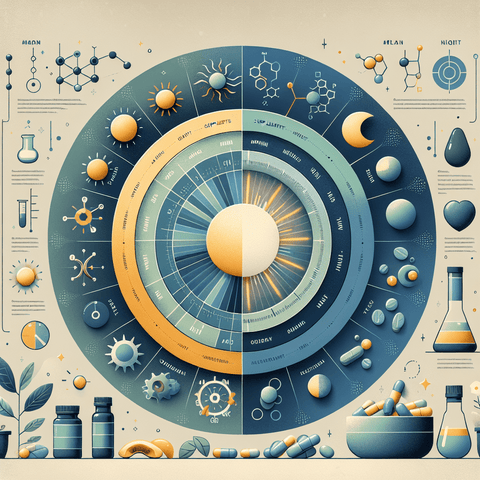
Knowing when to take vitamins can meaningfully influence how well your body absorbs and uses them. This guide explains the best time to take fat-soluble and water-soluble vitamins, how minerals interact with vitamin timing, and what the evidence says about morning versus evening routines. You will also learn which nutrient combinations support or compete with each other, why individual needs differ, and how to build a simple, consistent vitamin routine that fits your lifestyle and actually works.
When to Take Vitamins: Why Timing Matters for Absorption and Effectiveness
Vitamins are not all absorbed the same way. Some require dietary fat to be absorbed efficiently, others are best taken on an empty stomach, and certain minerals compete with one another for the same absorption pathways. Timing your supplements around meals, other nutrients, and your daily rhythm can improve tolerance and help you get the most from what you take. That said, timing is a refinement, not a magic bullet. Consistency matters more than perfection, and understanding the basic science behind absorption helps you make practical choices without overcomplicating your day.
What This Guide Covers
This article walks through the core distinction between fat-soluble and water-soluble vitamins, the best timing for each, how minerals fit into the picture, and the factors that influence absorption from person to person. It also covers how to read supplement labels, choose quality products, and recognize when a supplement routine is genuinely worth considering.
What Does Vitamin Timing Actually Mean?
Vitamin timing refers to when you take a supplement relative to meals, other nutrients, and the time of day. The goal is to align intake with the conditions your body needs for optimal absorption — for example, taking fat-soluble vitamins with a meal containing fat, or separating minerals that compete for absorption.
Fat-Soluble vs. Water-Soluble Vitamins: The Key Distinction
Vitamins fall into two broad categories. Fat-soluble vitamins — A, D, E, and K — dissolve in fat and are absorbed alongside dietary lipids in the small intestine. They can be stored in the liver and fatty tissue, which means the body has reserves but also that excessive intake can accumulate. Water-soluble vitamins, which include vitamin C and the B-complex vitamins, dissolve in water, are generally not stored in large amounts, and excess amounts are typically excreted in urine.
How Absorption and Bioavailability Work
Bioavailability describes the proportion of a nutrient that is actually absorbed and available for the body to use. Several factors influence it: the chemical form of the nutrient, the presence or absence of food, meal composition, digestive health, and interactions with other compounds. A supplement can contain the correct dose on the label, yet deliver far less than that amount to your bloodstream if the conditions for absorption are poor.
Common Terms Explained: Bioavailability, Empty Stomach, and Nutrient Synergy
- Bioavailability: The fraction of an ingested nutrient that is absorbed and usable by the body.
- Empty stomach: Taking a supplement at least one to two hours before or after a meal, which may improve absorption of some water-soluble nutrients but can cause stomach upset in others.
- Nutrient synergy: When nutrients enhance each other's absorption or function — for example, vitamin D supporting calcium absorption, or vitamin C improving iron uptake from plant foods.
When to Take Fat-Soluble Vitamins (A, D, E, and K)
The four fat-soluble vitamins share a common requirement: they need dietary fat to be absorbed well. Taking them with a completely fat-free meal or on an empty stomach can substantially reduce how much your body actually absorbs.
Why These Vitamins Need Dietary Fat
Fat-soluble vitamins are incorporated into micelles — tiny fat-based structures formed during digestion — before being absorbed in the small intestine. Without dietary fat present, this process is less efficient. Research suggests that taking vitamin D with a meal containing fat can improve its absorption compared with taking it fasting. Even a modest amount of fat, such as from olive oil, eggs, nuts, or dairy, is generally sufficient.
Best Time of Day for Vitamin D and Other Fat-Soluble Vitamins
The most important factor for fat-soluble vitamins is taking them with a meal that contains fat — whichever meal that may be. Some limited research and observational data have suggested vitamin D taken with the largest meal of the day may result in better absorption, but evidence on a specific "best" time of day remains limited. For most people, pairing these vitamins with breakfast or dinner, whichever consistently includes fat, is a practical approach. Consistency is what ultimately drives results, especially for vitamin D, where steady blood levels matter more than the hour of intake.
If you want a deeper understanding of individual fat-soluble vitamins, our guides to vitamin D benefits, sources, and safety and vitamin K cover their roles in more detail.
When to Take Water-Soluble Vitamins (B-Complex and Vitamin C)
Water-soluble vitamins are generally more flexible in timing than fat-soluble ones, but there are still practical considerations that can improve tolerability and effectiveness.
Why B Vitamins Are Often Recommended in the Morning
B vitamins play central roles in energy metabolism — they help convert carbohydrates, fats, and proteins into usable energy. They are not stimulants, but because they support energy-producing pathways, many people prefer taking a B-complex supplement in the morning. This is largely a matter of preference and routine rather than strong evidence that evening intake is harmful, although some individuals report that B vitamins taken late in the day feel energizing.
Best Time to Take Vitamin C and How to Reduce Stomach Upset
Vitamin C can be taken at any time of day, with or without food. However, higher doses may cause stomach upset, nausea, or diarrhea in sensitive individuals. Taking vitamin C with a meal, or splitting the dose throughout the day, can reduce these effects. Buffered forms of vitamin C are also gentler on the stomach for some people.
Can You Take Water-Soluble Vitamins on an Empty Stomach?
Yes, in most cases. Water-soluble vitamins do not require food for absorption, and empty-stomach intake is generally well tolerated at moderate doses. The main exception is individual tolerance: if you experience nausea, taking them with a small snack is perfectly fine and will not meaningfully reduce absorption.
When to Take Minerals Alongside Your Vitamins
Minerals add another layer of complexity, because they can interact with each other and with vitamins during absorption.
Iron: Best Timing and What to Avoid Taking With It
Iron is absorbed best on an empty stomach, and vitamin C can significantly enhance the absorption of non-heme (plant-based) iron. However, iron should be kept away from calcium, coffee, tea, and high-fiber meals, all of which can inhibit its uptake. Iron supplements also commonly cause stomach upset; if that happens, taking them with a small amount of food is a reasonable compromise even if absorption is slightly reduced. If iron has been recommended for you, our mineral supplements guide provides additional context.
Calcium, Magnesium, and Zinc: Timing and Splitting Doses
The body absorbs calcium best in doses of around 500 mg or less at a time, so splitting larger intakes across meals improves uptake. Calcium citrate can be taken with or without food, while calcium carbonate is absorbed best with meals. Magnesium is often taken in the evening, as some people find it relaxing, though timing does not strongly affect absorption. Zinc is generally better tolerated with food and should be separated from high-dose calcium or iron.
Vitamin D and Vitamin K2, and Other Nutrient Pairings That Work Together
Certain nutrients are natural partners. Vitamin D supports calcium absorption, and vitamins D and K2 both contribute to bone health through complementary mechanisms — D supports calcium uptake while K contributes to directing calcium utilization in the body. Vitamin C enhances iron absorption, and fat taken with meals improves uptake of all fat-soluble vitamins. Combining these partners at the same meal is a simple, evidence-based strategy.
Nutrient Combinations That Compete for Absorption (Calcium and Iron, Zinc and Copper)
Some minerals share absorption pathways and can interfere with one another at high doses. Calcium can inhibit iron absorption, which is why people taking iron supplements are usually advised to separate them by a couple of hours. High-dose zinc intake over time can interfere with copper absorption. These interactions matter mainly at supplement doses — ordinary amounts from a mixed diet rarely pose a problem.
A well-formulated multivitamin is designed with these interactions in mind, balancing minerals at reasonable levels to minimize competition.
Morning vs. Evening Vitamins: What Does the Evidence Say?
There is no strong scientific evidence that any particular hour of the day is universally best for taking vitamins. What matters more is meal composition, consistency, and personal tolerance.
Does Taking Vitamins at Night Affect Sleep?
For most vitamins, evening intake does not affect sleep. B vitamins are the most commonly cited exception, as some people report feeling more alert after taking them late in the day, though controlled evidence is limited. Magnesium, by contrast, is often taken in the evening and is associated with relaxation for some individuals. If you notice a pattern with any supplement, adjusting the time of day is a low-risk experiment.
Is It Bad to Take Vitamins on an Empty Stomach?
It depends on the nutrient. Water-soluble vitamins are generally fine on an empty stomach, while fat-soluble vitamins are poorly absorbed without food, and minerals like iron, zinc, and magnesium are more likely to cause nausea when taken fasting. If you take only one pill per day, taking it with your largest meal is usually the safest and most effective default.
What Happens If You Take Vitamins at the Wrong Time?
Mis-timed supplements are not usually dangerous — the main consequence is reduced absorption or poorer tolerance.
Reduced Absorption vs. Real Harm: Keeping the Risks in Perspective
Taking vitamin D without fat or iron alongside coffee does not harm you; it simply means less of the nutrient gets absorbed. Over time, consistently poor timing could reduce the benefit you get from supplementation, but the risks are practical rather than medical in most cases. The more meaningful safety concern with vitamins is excessive dosage, not the clock.
Side Effects Linked to Poor Timing (Nausea, Upset Stomach, Poor Tolerance)
Iron, zinc, and magnesium are the most common culprits for stomach upset, particularly on an empty stomach. Fat-soluble vitamins taken without food may simply pass through with less benefit. If a supplement regularly causes discomfort, taking it with food, splitting the dose, or switching to a different form often resolves the issue.
Factors That Affect How Well Your Body Absorbs Vitamins
Diet, Meal Composition, and Digestive Health
Meal composition is one of the most powerful levers: fat enables fat-soluble vitamin absorption, vitamin C boosts iron uptake, and certain compounds like phytates (in whole grains and legumes) can bind minerals and reduce their availability. Digestive health also plays a major role. Conditions affecting the stomach or intestines — such as celiac disease, inflammatory bowel disease, or low stomach acid — can significantly reduce nutrient absorption.
Age, Medications, and Health Conditions That Influence Absorption
Absorption efficiency tends to decline with age, and older adults produce less stomach acid, which can reduce absorption of vitamin B12, calcium, and iron. Common medications matter too: proton pump inhibitors and antacids affect B12 and mineral absorption, metformin can lower B12 levels over time, and certain antibiotics interact with calcium, iron, and zinc. Anyone taking regular medication should check for relevant nutrient interactions.
Lifestyle Factors: Alcohol, Stress, and Irregular Eating Patterns
Regular alcohol intake interferes with the absorption and metabolism of several B vitamins and can affect overall nutritional status. Chronic stress and irregular eating patterns can reduce both nutrient intake and the consistency of any supplement routine — which is one reason simple, habit-based timing strategies tend to work better than complicated protocols.
Why Vitamin Timing and Needs Vary From Person to Person
How Diet Patterns (Vegan, Low-Fat, Restrictive) Change Your Needs
Dietary patterns strongly influence which nutrients may fall short. Vegan and vegetarian diets can be lower in vitamin B12, iron, zinc, and omega-3 fats. Low-fat diets may limit absorption of fat-soluble vitamins. Highly restrictive or elimination diets can create gaps that are difficult to identify without careful tracking.
Life Stages: Pregnancy, Older Age, and Athletes
Pregnancy increases requirements for folate, iron, iodine, and vitamin D. Older adults often need more vitamin D, B12, and calcium due to reduced absorption and changes in skin synthesis of vitamin D. Athletes may have higher needs for certain nutrients due to losses through sweat and increased energy turnover. In each case, needs — and therefore sensible timing and dosing — differ from the general population.
When Blood Testing Is Needed to Know Your Actual Status
Symptoms alone cannot reliably confirm a nutrient deficiency; many signs are nonspecific and overlap with other causes. For nutrients with validated tests — such as vitamin D, B12, ferritin (iron stores), and folate — blood testing provides far more useful information than guessing. This is particularly important before starting high-dose supplementation, since some vitamins can accumulate to harmful levels.
Food First: Getting Vitamins From Your Diet
Everyday Food Sources of Key Vitamins
- Vitamin A: Liver, eggs, dairy; beta-carotene from carrots, sweet potatoes, and leafy greens.
- Vitamin C: Citrus fruits, berries, peppers, kiwi, broccoli.
- Vitamin D: Oily fish, fortified dairy and plant milks, egg yolks, and sun exposure.
- Vitamin E: Nuts, seeds, vegetable oils, avocado.
- Vitamin K: Leafy greens (K1), fermented foods and animal products (K2).
- B vitamins: Whole grains, legumes, meat, fish, eggs, dairy, and leafy greens.
Meal Habits That Naturally Improve Nutrient Absorption
Simple habits can do much of the work of supplementation timing. Pairing vegetables with a source of fat improves carotenoid absorption. Adding citrus or peppers to plant-based meals enhances iron uptake. Including fermented foods supports overall digestive function. Eating a varied diet across the day also naturally spreads mineral intake, reducing competition between nutrients.
When Supplementation May Be Relevant
Situations Where Diet Alone May Fall Short
Supplementation becomes relevant when dietary intake, absorption, or requirements make it difficult to meet needs through food alone. Common examples include limited sun exposure for vitamin D, vegan diets for B12, heavy menstrual bleeding for iron, restricted diets, certain medical conditions, and older age. In these situations, a targeted supplement can be a practical form of nutritional support.
General Nutritional Support vs. Addressing a Diagnosed Deficiency
There is an important distinction between general support — filling modest dietary gaps with sensible doses — and correcting a diagnosed deficiency, which should be guided by testing and a healthcare professional. A diagnosed deficiency often calls for specific doses, forms, and monitoring that go beyond general multivitamin use.
Choosing the Right Vitamin Supplement: What Actually Matters
Forms of Nutrients and Their Bioavailability (e.g., Methylated B Vitamins, Chelated Minerals)
The chemical form of a nutrient can affect absorption and tolerability. Methylcobalamin is an active form of B12; chelated mineral forms such as magnesium bisglycinate are often gentler on the digestive system than oxide forms. Vitamin D3 is generally preferred over D2 for maintaining vitamin D status. That said, evidence comparing forms is not equally strong across all nutrients, and differences are often modest rather than dramatic.
Dosage: Meeting But Not Exceeding Recommended Intakes
More is not better. Supplement doses should be evaluated against recommended daily intakes and tolerable upper limits. Modest doses that close a dietary gap are usually preferable to megadoses, which increase the risk of side effects and interactions without clear added benefit for most people.
Single Vitamins vs. Multivitamins: Which Fits Your Goal?
If you have one identified gap — say, vitamin D in winter — a single-nutrient supplement is targeted and efficient. If your diet is inconsistent and you want broad, low-level coverage, a balanced multivitamin may be more practical. Avoid combining a multivitamin with multiple single-nutrient supplements without checking total doses.
Quality, Third-Party Testing, and Certifications
Supplement quality varies. Look for products from manufacturers that disclose ingredients clearly, follow good manufacturing practices, and use third-party testing where available. Certifications for purity, allergen control, or organic production can provide additional assurance.
Capsules, Tablets, Powders, and Liquids: Practical Differences
Capsules are often easier to swallow and dissolve readily; tablets are compact and shelf-stable but may be harder for some people to swallow; powders and liquids allow flexible dosing and may suit people who struggle with pills. Choose the format you will actually take consistently — that factor outweighs small differences between formats.
Allergens, Additives, and Dietary Preferences
Check labels for allergens such as gluten, soy, dairy, or gelatin if these matter to you, and look for vegan or vegetarian certifications where relevant. Shorter, cleaner ingredient lists are generally preferable, though some additives serve legitimate stability purposes.
How to Read a Vitamin Supplement Label
Serving Size, %DV, and What They Really Tell You
The serving size tells you how many capsules or scoops constitute one dose — a critical detail often overlooked. The percentage daily value (%DV) shows how much of the recommended intake one serving provides, making it easy to compare products and avoid unintentionally exceeding safe levels when combining supplements.
Spotting Red Flags: Proprietary Blends, Megadoses, and Vague Claims
Be cautious of proprietary blends that hide individual ingredient amounts, doses far exceeding upper limits, and claims that sound too good to be true — particularly promises to cure or reverse disease, which reputable manufacturers do not make.
Who May Benefit Most From a Well-Timed Supplement Routine
Groups With Higher Needs or Limited Dietary Intake
People most likely to benefit from a thoughtfully timed supplement routine include pregnant women (under medical guidance), older adults, vegans and vegetarians, people with limited sun exposure, those with malabsorption conditions, and individuals with diagnosed deficiencies or restricted diets.
When to Consult a Doctor or Registered Dietitian
Professional advice is warranted if you suspect a deficiency, take prescription medications, are pregnant or breastfeeding, have kidney or liver conditions, or are considering high-dose supplementation. A registered dietitian can also evaluate your diet to determine whether supplementation is needed at all.
Safety, Interactions, and Upper Limits
Medication Interactions to Be Aware Of
Vitamin K can reduce the effectiveness of blood thinners such as warfarin. Calcium, iron, and zinc can interfere with certain antibiotics and thyroid medications. St. John's Wort — an herb, but relevant to supplement routines — interacts with many medications. Always check with a pharmacist or doctor about interactions if you take prescription drugs.
Vitamin and Mineral Upper Intake Levels You Should Not Exceed
Fat-soluble vitamins A, D, E, and K can accumulate in the body, and vitamin A in particular has a relatively low upper limit. Long-term high-dose vitamin B6 has been linked to nerve damage, and excess iron can be harmful, especially for people with iron-storage conditions. Respect the tolerable upper intake levels printed on labels and consider total intake across all products you use.
Considerations During Pregnancy and With Chronic Conditions
During pregnancy, some nutrients (folate, iron, iodine) become more important while others — notably high-dose vitamin A — should be avoided. People with kidney disease need particular caution with mineral supplements. Medical supervision is essential in these situations.
Timing Your Vitamins: A Simple Decision Guide
When Food and Habits Alone May Be Enough
If you eat a varied, balanced diet, have no diagnosed deficiencies, and feel well, focusing on meal quality — pairing fats with vegetables, including vitamin C-rich foods with plant-based iron sources, and eating regularly — may be all that's needed. Supplementation is not automatically necessary.
When a Supplement Routine Makes Sense — and How to Choose It
A supplement routine makes sense when there is a clear gap: limited sun exposure, a restrictive diet, a life stage with higher needs, or a documented low blood level. Choose targeted products at sensible doses, take fat-soluble vitamins with a meal containing fat, separate competing minerals, and favor consistency over complexity.
Key Takeaways: Building a Vitamin Routine You'll Actually Keep
- Take fat-soluble vitamins (A, D, E, K) with a meal containing fat — meal composition matters more than the specific time of day.
- Water-soluble vitamins (B-complex, C) are flexible — morning intake is popular for B vitamins, but consistency matters more than timing.
- Separate competing minerals: keep iron away from calcium, coffee, and tea by a couple of hours.
- Pair synergistic nutrients: vitamin D with calcium, vitamin C with plant iron, D with K2.
- Split large calcium doses across meals for better absorption.
- Consistency beats perfection — a routine you keep daily delivers more benefit than an optimal schedule you abandon.
- Diet comes first: most healthy adults with varied diets meet their needs through food alone.
- Test, don't guess: blood testing is more reliable than symptoms for assessing vitamin D, B12, folate, and iron status.
- Respect upper limits and check for medication interactions, especially with fat-soluble vitamins and minerals.
Frequently Asked Questions
What is the best time of day to take a multivitamin?
The best time is with a meal that contains some fat, since most multivitamins include fat-soluble vitamins. Breakfast or lunch works well for most people; choose whichever meal you eat most consistently.
Should I take vitamin D in the morning or at night?
There is no solid evidence that time of day matters for vitamin D. What matters is taking it with a meal containing fat so it is absorbed properly. Pick whichever meal you can pair it with reliably.
Can I take all my vitamins at once?
Often yes, but be cautious with minerals. High-dose calcium and iron taken together compete for absorption, and large combined doses may cause stomach upset. If you take several products, check total doses and consider separating minerals.
Is it better to take vitamins with food or on an empty stomach?
Most vitamins are best with food. Fat-soluble vitamins require dietary fat for absorption, and minerals tend to be better tolerated with meals. Water-soluble vitamins are the main exception and can be taken either way.
How long does it take for vitamins to work?
It depends on the nutrient and your starting status. Water-soluble vitamins affect blood levels within days to weeks, while correcting deficiencies such as low vitamin D or iron stores typically takes weeks to months of consistent intake.
Can I take vitamin D and vitamin C together?
Yes, they do not interfere with each other. Vitamin C is water-soluble and vitamin D is fat-soluble, so taking both with a meal containing some fat works well.
What vitamins should not be taken together?
The main pairs to separate are calcium and iron, and high-dose zinc and copper. These minerals compete for the same absorption pathways when taken in large amounts at the same time.
Can taking vitamins at night keep you awake?
Most vitamins do not affect sleep. Some people report feeling more alert after taking B vitamins late in the day, though evidence is limited. If you notice an effect, switch to morning intake.
Do I need to take vitamins every day?
For water-soluble vitamins, regular intake matters because the body does not store large amounts. Fat-soluble vitamins are stored, so small occasional misses are less consequential, but daily consistency gives the best results.
Is it harmful to take vitamins on an empty stomach?
Usually not, but iron, zinc, and magnesium are more likely to cause nausea when taken fasting, and fat-soluble vitamins will be poorly absorbed without food. Taking them with a small snack solves both issues.
How do I know if I actually need a supplement?
Review your diet, consider risk factors such as restricted diets, limited sun exposure, or higher needs, and where possible use blood testing for nutrients with validated tests. A doctor or registered dietitian can help interpret the results.
Can you take too many vitamins?
Yes. Fat-soluble vitamins accumulate in the body, and excess vitamin A, D, and B6 can cause harm over time. Always check total intake across all supplements you take and stay within established upper limits.
Related Keywords
- when to take vitamins
- best time to take vitamin D
- fat-soluble vs water-soluble vitamins
- vitamin absorption and bioavailability
- best time to take a multivitamin
- vitamins with food or empty stomach
- iron supplement timing
- calcium and magnesium timing
- nutrient interactions and absorption
- morning or evening vitamins
- vitamin supplement dosage guide
- how to choose a vitamin supplement
- vitamin supplement side effects
- daily vitamin routine