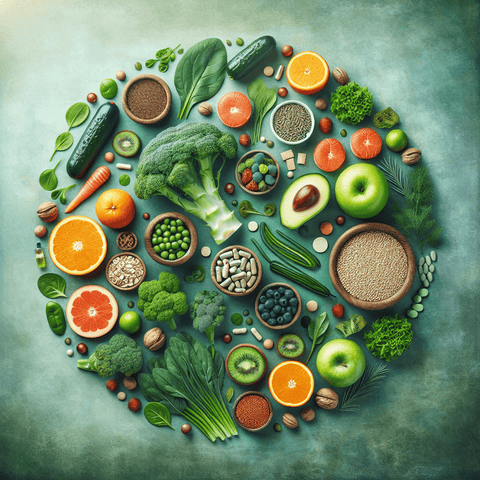
When you search for wholesome meal ideas, you're likely looking for more than just a list of recipes. You want dinners that nourish your body, satisfy your taste buds, and fit into a schedule that leaves little room for complicated cooking. A wholesome meal is one built on whole, minimally processed ingredients that provide substantial nutritional value. It balances macronutrients—proteins, healthy fats, and complex carbohydrates—while delivering the vitamins and minerals your body needs to function optimally.
What Defines a Wholesome Meal?
"Healthy" can mean different things to different people, but "wholesome" carries a more specific connotation. A wholesome meal prioritizes ingredients in their natural state: leafy greens, colorful vegetables, lean proteins, legumes, whole grains, and healthy fats from sources like olive oil, nuts, or avocados. It's not about strict calorie counting or eliminating entire food groups. Instead, it's about adding nutrient density to every plate—choosing foods that offer more than just energy but also support immune function, cellular repair, and sustained vitality.
This approach contrasts with a "diet meal," which typically focuses on restriction. Wholesome eating is about addition—adding nutrition and satisfying your body's physiological needs. A wholesome meal doesn't necessarily restrict calories; it provides the best possible fuel per calorie. This philosophy often leads to natural weight regulation without the need for restrictive dieting.
Building a Nutrient-Dense Plate
Constructing a wholesome meal doesn't require exotic ingredients. It relies on a reliable foundation of staples that are versatile, accessible, and nutritionally powerful. A practical guideline for dinner is to fill half your plate with colorful vegetables, a quarter with lean protein, and a quarter with whole grains or starchy roots. The vegetables provide fiber, vitamins, and antioxidants; the protein supplies satiety and repair; and the complex carbohydrates offer the energy to keep your metabolism active. Color variety is vital—the different pigments in foods like red peppers, leafy greens, and purple cabbage reflect different nutrient profiles.
Stocking your kitchen with certain "hero" ingredients makes improvisation easy. Canned beans and lentils are fiber and protein powerhouses that can instantly bulk up a meal. Frozen vegetables are often picked at peak ripeness, preserving their vitamin content—sometimes even surpassing "fresh" produce that has sat in a refrigerator for days. Canned fish like sardines or salmon provide concentrated omega-3 fatty acids without requiring cooking time. Eggs are the ultimate backup protein, perfect for a quick frittata or fried rice.
The way you cook is just as important as what you cook. Steaming vegetables preserves more vitamin C and B-vitamins than boiling. Roasting or air-frying requires minimal oil while creating deep, satisfying flavors. Stir-frying in a hot wok cooks food quickly, retaining crunch and nutrient content. The common thread is using lower temperatures and shorter cooking times to minimize nutrient degradation.
Key Nutrients for Everyday Balance
A balanced diet is the best way to obtain the nutrients your body needs. Certain nutrients often deserve extra attention because they are common focal points for everyday wellness:
- Magnesium: Found in leafy greens, nuts, and legumes, this mineral supports muscle and bone health.
- Vitamin D: Essential for calcium absorption, it can be hard to get from food alone. Our dedicated vitamin D collection provides more information.
- B Vitamins: Crucial for converting food into energy, they are abundant in whole grains and lean proteins. You can learn more in our vitamin B guide.
- Omega-3 Fatty Acids: Important for overall health, these are found in fatty fish, nuts, and seeds. Explore the DHA/EPA omega-3 collection for more details.
- Vitamin C: An antioxidant found in a colorful array of fruits and vegetables. See our vitamin C information for more.
Incorporating fermented foods like yogurt or kimchi can introduce beneficial probiotics and prebiotics to support gut health. Simple swaps, like using whole grains in place of refined ones, add more fiber and B vitamins to your plate.
Why Prioritizing Wholesome Dinners Matters
The dinner table is more than just a place to end the day—it's a critical opportunity to influence your long-term biological health. The habits you establish on weeknights have cumulative effects on your energy, metabolism, and overall disease resistance. Understanding this connection reinforces why investing time in wholesome meal ideas is a worthwhile health strategy.
The Nutritional Payoff for Daily Energy and Recovery
Your body undergoes constant repair and regeneration, particularly while you sleep. The nutrients you consume at dinner provide the raw materials for these processes. Protein provides the amino acids necessary for muscle repair and enzyme production. Complex carbohydrates from vegetables and whole grains replenish glycogen stores, providing steady energy for the next day. Healthy fats—whether from olive oil or omega-3-rich fish—support brain function and cellular integrity.
The Connection Between Dinner Choices and Sleep Quality
Emerging research suggests a direct link between dietary patterns and sleep architecture. Foods rich in magnesium, such as leafy greens, nuts, and seeds, have been associated with improved sleep quality. Tryptophan found in poultry and dairy is a precursor to serotonin and melatonin, hormones that govern the sleep-wake cycle. Conversely, heavy, processed meals high in refined sugars may cause blood glucose spikes and crashes that disrupt sleep. By choosing a lighter, nutrient-dense dinner, you may not just nourish your body—you could also be setting the stage for deeper, more restorative sleep.
How Home-Cooked Meals Support Better Eating Habits
There is a strong behavioral component to nutrition. When you cook at home, you naturally control portion sizes, sodium content, and the quality of cooking oils. Studies consistently show that home-cooked meals are associated with lower caloric intake and better overall diet quality compared to eating out or relying on pre-packaged meals. The act of cooking itself also fosters a mindful eating mindset.
Common Barriers to Healthy Eating and How to Overcome Them
Even with the best intentions, most people experience moments where healthy eating falls by the wayside. Acknowledging the psychological and physiological barriers can help you develop strategies to overcome them, rather than feeling guilty about a few missed goals.
The "Time Crunch" Trap: How Fatigue Affects Food Choices
Decision fatigue is a real phenomenon. After making hundreds of choices at work or home, the brain actively seeks the path of least resistance by the evening. When you're exhausted, opting for takeout or a processed frozen meal often feels like the only viable option. The remedy isn't sheer willpower; it's preparation. Having pre-cooked proteins, ready-to-eat vegetables, and a pantry stocked with healthy staples removes the "decision" element from the equation, making the wholesome choice the easy choice.
Nutrient Gaps Linked to Processed Convenience Foods
Processed foods are often engineered for taste, shelf life, and convenience, not necessarily nutritional completeness. While they may be fortified with certain vitamins, they typically lack the phytonutrients and fiber found in whole foods. A diet heavily dependent on these products can lead to insufficiencies in key minerals like potassium, magnesium, and zinc, as well as vitamins like vitamin D and folate. These gaps may not cause immediate symptoms but can contribute to low energy and poor immune response over time.
How High-Stress Lifestyles Impact Appetite and Digestion
Stress triggers cortisol release, which can alter appetite regulation—sometimes increasing cravings for high-calorie foods, sometimes suppressing hunger entirely. Additionally, the body's digestive processes are slowed when it is in "fight-or-flight" mode. This means that even when you make a healthy choice, your body may not immediately absorb all the nutrients. For those under chronic stress, prioritizing easily digestible cooked vegetables and lean proteins over raw, fibrous salads can sometimes improve comfort and nutrient uptake.
Understanding Individual Variability in Nutrition
While there are general dietary guidelines, your specific requirements are unique. Your nutritional needs are influenced by factors that are entirely personal, which is why personalized adjustments to your wholesome meal ideas are necessary.
Lifestyle and Activity Levels
An athlete or physical laborer requires significantly more calories and protein than someone with a sedentary desk job. For active individuals, a dinner plate should be heavier on complex carbohydrates and quality proteins to fuel performance and recovery. Conversely, those with lower activity levels may benefit from a higher proportion of non-starchy vegetables and lighter proteins. Listening to your body's hunger cues is a practical way to optimize your intake.
Age, Life Stage, and Health Conditions
As we age, our digestive efficiency declines, which can impair absorption of vitamin B12, calcium, and iron. Older adults may therefore need higher nutrient density with lower caloric intake. Chronic conditions such as diabetes, hypertension, or digestive disorders require specific dietary modifications. In these scenarios, dietary adjustments become a primary management tool, and supplementation often becomes a necessary adjunct rather than an optional extra.
When Food Alone Might Not Be Enough
Even with a stellar diet, biological realities and modern agricultural practices can create gaps. Being aware of these potential shortfalls is the first step in addressing them effectively.
Common Gaps in Modern Diets
Despite the abundance of food, many people consistently miss out on several key nutrients. Vitamin D is notoriously difficult to obtain through food alone. Magnesium is often stripped from refined grains and depleted in soil. Omega-3 fatty acids, particularly DHA and EPA found in fish, are under-consumed by most people following a Western diet. Understanding these typical shortfalls helps you prioritize foods like fatty fish, seeds, and high-quality dairy.
Why "Eating Well" Doesn't Always Guarantee Sufficient Intake
You could log every meal and hit your calorie targets yet still face deficiencies. Soil depletion means that carrots and spinach may have lower mineral content than they did fifty years ago. Additionally, the bioavailability of nutrients varies significantly. Plant-based iron (non-heme) is absorbed less efficiently than animal-derived iron (heme). The oxalates in spinach and phytates in whole grains can bind to calcium and zinc, reducing their absorption. Relying solely on a "health halo" diet ignores these complex biological variables.
How Absorption Issues and Medications Can Alter Your Nutritional Status
Gut health plays a pivotal role in nutrition. Conditions like SIBO or hypochlorhydria can severely impair nutrient absorption. Furthermore, many common medications deplete nutrients. Long-term use of proton pump inhibitors (PPIs) is linked to reduced magnesium and B12 levels. Metformin is associated with vitamin B12 deficiency. If you take any medication chronically, it is wise to look into its potential micronutrient interactions.
The Role of Supplements in a Balanced Lifestyle
While whole foods should be the primary source of nutrition, targeted supplementation can help bridge specific shortfalls. The concept of supplementation as a complement—rather than a substitute—is key.
Nutrients That Support Daily Energy Metabolism
B-complex vitamins are often called the "energy vitamins" because they play crucial roles in converting the food you eat into ATP (cellular energy). These water-soluble vitamins—including B12, B6, folate, and niacin—are essential for mitochondrial function. Vitamin C is also vital for the synthesis of carnitine, which is involved in fatty acid metabolism. If your diet lacks these, you may feel persistently fatigued.
Protein and Amino Acid Support for Muscle Maintenance
Protein needs can be challenging to meet, especially for those with higher activity levels or aging adults. While whole-food protein is optimal, whey or plant-based protein shakes offer a convenient method to hit daily targets without cooking. Essential amino acids (EAAs) are the building blocks your body cannot produce on its own. For those looking to maintain lean mass, these amino acid supplements may serve as a useful tool.
Digestive Enzymes and Probiotics for Nutrient Utilization
Eating wholesome food is only step one; you must also absorb those nutrients. As we age, natural enzyme production declines, which can lead to bloating and poor nutrient utilization. Digestive enzyme supplements can help break down fats, proteins, and carbs. Additionally, the gut microbiome is integral to vitamin K synthesis and the activation of certain phytonutrients. Probiotics help maintain a healthy flora balance. Supporting digestion creates an environment where the wholesome foods you eat are truly utilized.
Supplementation: A Practical Decision Framework
Determining if you need a supplement involves careful evaluation. It is rarely a binary "yes" or "no" situation, but rather a matter of identifying specific gaps and risk factors.
Dietary Insurance vs. Treating a Deficiency
A multivitamin used as "dietary insurance" is a low-dose product intended to cover minor gaps from unavoidable dietary imperfection. In contrast, treating a deficiency requires higher, targeted doses of a specific nutrient to correct a clinical insufficiency. For many, a foundational multivitamin is the most straightforward way to ensure these gaps are covered. Explore the multivitamins guide to see if this approach fits your needs.
Is a Multivitamin a Reasonable Baseline?
For the average busy adult who is generally healthy but struggles to consistently eat a perfectly varied diet, a multivitamin can be a rational anchor. It serves as a safety net, ensuring that you receive a baseline level of essential vitamins and minerals. It is critical to view this as a foundation, not a license to neglect diet. A high-quality multivitamin will provide necessary nutrients in balanced amounts without exceeding tolerable upper limits.
Identifying the Right Circumstances for Single-Nutrient Support
Single-nutrient supplements are best targeted when there is clear reason to believe a specific shortfall exists. This could be due to a dietary restriction (e.g., veganism necessitating B12), a medical condition (e.g., iron deficiency anemia), or specific lifestyle factors (e.g., limited sun exposure requiring more vitamin D). In these cases, a high-strength single nutrient is more effective than a dilute multivitamin.
Choosing the Right Supplement: Quality and Form Matter
Not all supplements are created equal. The differences between product formulations can significantly impact how well the nutrient is absorbed and utilized by your body.
Understanding Bioavailability
Bioavailability refers to the degree and rate at which a nutrient is absorbed into your bloodstream. This is perhaps the most critical factor in choosing a supplement. For example, magnesium oxide is inexpensive but poorly absorbed; magnesium glycinate or citrate is absorbed much more efficiently. Similarly, folate (natural form) is better absorbed than folic acid (synthetic form) for many people. Choosing the correct chemical form of a nutrient can be the difference between seeing a benefit and not.
Single Nutrients vs. Combination Formulas
Combination formulas offer convenience and intentional synergy. For example, taking vitamin D3 specifically with vitamin K2 ensures that calcium is directed to your bones rather than accumulating in arteries. A B-complex containing all eight B vitamins ensures they work in concert. Conversely, single-nutrient supplements offer precise control over dosage. Your choice should depend on whether you are trying to achieve a general balance or correct a specific issue.
Capsules, Powders, or Liquids: Practical Differences
You may notice that certain nutrients are better delivered in specific forms. Capsules are convenient, with no taste, and are ideal for powdered ingredients. Powders, such as those for vitamin C or protein, are excellent for higher doses and can be mixed into shakes. Liquids are often best for fat-soluble vitamins like vitamin D or oils like omega-3. Consider your lifestyle. If you have trouble swallowing pills, powders and liquids are obvious alternatives. If you travel frequently, capsules and tablets are more portable.
What "Third-Party Testing" and "Certifications" Actually Mean
Third-party testing provides an objective layer of quality control. When a product is USP or NSF Certified, it means an independent organization has verified that the product contains what is listed on the label at the correct dosage, and that it is free from harmful contaminants like heavy metals or pesticides. Seeking brands that invest in third-party testing is the safest way to ensure you are getting a high-quality, accurate product.
How to Read a Supplement Label with Confidence
Label literacy is a crucial skill for making informed supplement choices. It allows you to cut through marketing jargon and understand what is actually in the bottle.
Decoding the Supplement Facts Panel
The Supplement Facts panel is the most critical piece of information. It shows the serving size and the amount of each ingredient per serving. Often, a product will list a total weight for a proprietary blend, but that total may be split across several ingredients, making it difficult to know how much of each you are getting. Always look for clearly defined individual ingredient dosages. Also, note the "% Daily Value" (%DV)—this percentage assumes a standard 2000-calorie diet and may not accurately reflect your personal needs.
Spotting Beneficial Additives vs. Unnecessary Fillers
Many supplements contain natural additives that are helpful. Black pepper extract (piperine) is often added to turmeric to boost curcumin absorption. Vitamin C may be added to iron supplements to improve iron uptake. However, look out for unnecessary fillers, binders, and artificial colors. These inactive ingredients are not needed and may cause digestive upset in sensitive individuals. The ideal capsule should contain the active ingredients and perhaps a minimal amount of a vegetable capsule.
Identifying Allergens, Sweeteners, and Dietary Compliance
You must verify that the product is compatible with your dietary restrictions. Look for the giant "Contains: Milk, Soy, Gluten..." allergen statement. For those on vegan diets, check that the capsule is cellulose-based rather than gelatin. Also, be wary of added sweeteners. Gummies and chewable vitamins often rely on glucose syrup or sugar. These are acceptable in small amounts, but if you are managing blood sugar, a traditional tablet or capsule may be a better choice.
Navigating Safety: Interactions and Knowing When to Ask an Expert
Supplements are not innocuous. They are biologically active compounds that can interact with medications and have side effects if taken improperly.
Common Medication Interactions
Several supplements have well-documented interactions with pharmaceuticals. St. John's Wort reduces the effectiveness of oral contraceptives. Vitamin K is antagonistic to blood thinners like Warfarin. Calcium can bind to thyroid medication (Levothyroxine), preventing its absorption. Magnesium can reduce the absorption of certain antibiotics. If you take prescription medications, it is vital to run your supplement list past a pharmacist or physician.
The Upper Limits: Why More Isn't Always Better
There is a common misconception that water-soluble vitamins are harmless because the body excretes the excess. While they are less risky than fat-soluble vitamins (like A, D, E, and K), taking massive doses still puts strain on the kidneys and liver. Fat-soluble vitamins, however, are stored in body fat and can accumulate to toxic levels. Excess vitamin A can cause liver damage. It is essential to remain within the Tolerable Upper Intake Level (UL) for each nutrient unless directed by a doctor.
Getting the Right Bloodwork Before Starting a New Supplement
Guessing is unnecessary. Blood tests can precisely measure your serum levels of vitamin D, B12, iron status (ferritin), and magnesium. Before starting a new supplement—especially a high-dose one—it is wise to ask your doctor to run these panels. This baseline data tells you exactly where your deficits are, allowing for targeted support. Lab testing is the gold standard for personalized nutrition advice.
Key Takeaways for Building a Wholesome Routine
- Wholesome meals prioritize whole, minimally processed ingredients that balance protein, fiber, healthy fats, and complex carbohydrates.
- Quick cooking methods like steaming and sautéing preserve water-soluble vitamins better than prolonged boiling.
- Consistent home cooking is associated with high diet quality and improved mindful eating habits.
- Individual nutritional needs vary drastically based on age, activity level, and health status—there is no universal plate.
- Nutrient gaps in magnesium, vitamin D, and omega-3s are common due to soil depletion and dietary patterns.
- Supplements can be a valid complementary strategy when dietary gaps cannot be met through food alone, but diet remains the priority.
- Bioavailability matters: magnesium glycinate absorbs better than oxide, and natural folate is utilized better than synthetic folic acid in many people.
- Always check for third-party testing (USP/NSF) to verify product purity and potency.
- Blood work is the most accurate way to identify deficiencies; symptom guessing alone is often misleading.
- Medication interactions are real; always consult a healthcare professional when combining supplements with prescription drugs.
Final Thoughts: Building a Sustainable Approach
Building a healthier lifestyle is not about perfection—it is about sustainable patterns. The goal of exploring wholesome meal ideas is to create a positive feedback loop where you eat well, feel good, and are motivated to continue.
Start small. Commit to cooking two or three wholesome dinners from scratch this week. Use a sheet pan for ease. Focus on a protein, a complex carb, and a colorful assortment of vegetables. Pay attention to how your energy levels feel the following morning. Gradually phase out ultra-processed foods and phase in a rainbow of natural foods. This incremental approach is more sustainable than a dramatic overhaul.
Your dietary habits are the foundation of your health. Supplements are the targeted support system that fills the cracks. As you continue your journey, remember to prioritize whole foods, listen to your body's signals, and use lab testing to guide your supplementation choices. If you feel overwhelmed or have underlying health conditions, consult a registered dietitian or your healthcare provider.