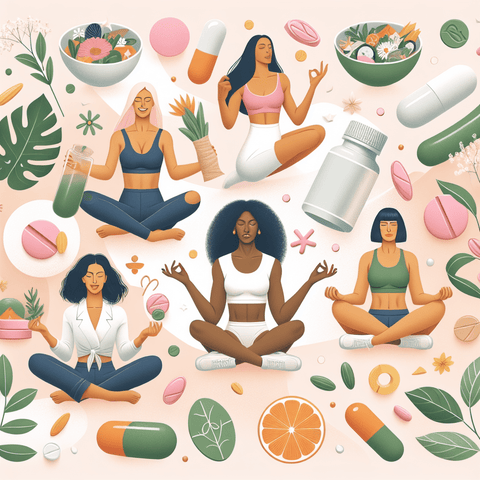
A women's energy booster is a broad, practical topic that brings together everyday nutrition, sleep, movement and stress management in the context of how women may experience fluctuating energy needs across the day and across life stages. Rather than pointing to a single product or quick fix, this tag page works as a topical hub: it maps the main vitamins, minerals, herbal ingredients and daily habits that are commonly discussed in relation to women's energy support, while leaving room for the more detailed articles linked below.
The aim is orientation and context, not personalised advice. Use this page to understand the landscape of the topic, then explore the specific nutrient, ingredient and lifestyle angles that matter most to you.
What Does "Women's Energy Booster" Actually Cover?
The phrase women's energy booster can mean different things depending on who is asking. For some, it points to vitamins and minerals that support normal energy-yielding metabolism. For others, it is about herbal ingredients and adaptogen-style supplements. For many, it is really about daily habits: sleep, food timing, hydration, movement and stress load.
This page treats all of those dimensions as part of the same broad topic. It does not assume that a single nutrient, product or routine is the answer, and it does not replace personalised medical or nutritional advice. Instead, it introduces the main categories that tend to appear in conversations about energy support for women, and explains how they relate to each other.
Key Vitamins and Minerals Often Linked to Energy Support
Several vitamins and minerals are commonly discussed in relation to normal energy metabolism and the reduction of tiredness and fatigue. They are not interchangeable, and they do not work in isolation, but they frequently appear in overviews of women's energy topics.
- Iron: involved in normal oxygen transport and frequently discussed in the context of tiredness, especially for women with higher needs.
- Vitamin B12 and B-complex vitamins: contribute to normal energy-yielding metabolism and normal nervous system function.
- Vitamin D: a nutrient with wide-ranging roles in the body, often included in broader discussions of energy, mood and overall wellbeing.
- Magnesium: involved in many processes in the body, including normal muscle function and energy metabolism.
- Vitamin C: contributes to normal energy-yielding metabolism and helps protect cells from oxidative stress.
These nutrients can be obtained from a varied diet, and supplements are often discussed as a way to help fill potential gaps. Whether a supplement is appropriate depends on individual circumstances, dietary patterns and health status. Our broader B-vitamin category covers the different B vitamins, their food sources and general safety considerations in more detail.
Herbal and Adaptogen-Style Ingredients in Energy Discussions
Herbal ingredients and adaptogen-style supplements are a common part of the women's energy booster conversation. They are often marketed around themes of vitality, resilience and daily performance, though the evidence base varies between ingredients and between products.
- Ginseng: a traditional herbal ingredient frequently included in energy and vitality formulas.
- Ashwagandha: an adaptogen-style herb that appears in many stress and energy-related supplement discussions.
- CoQ10: a compound found in the body that is often discussed in the context of cellular energy production.
These ingredients are not a substitute for a balanced diet or for addressing underlying lifestyle factors. Quality, sourcing and safety are important considerations, and individual responses can vary. Our herbal supplements guide explores traditional use, sourcing and general safety themes.
Food Sources Versus Supplements
A common question in this topic is whether energy-supporting nutrients should come from food, from supplements, or from both. In general, food-first approaches are encouraged because foods provide a matrix of nutrients and other compounds that work together. Supplements can be useful in specific situations, but they are not automatically better or faster.
Dietary sources of commonly discussed nutrients include:
- Iron: red meat, poultry, fish, beans, lentils and fortified cereals.
- Vitamin B12: animal products such as meat, fish, eggs and dairy, plus fortified foods.
- Vitamin D: oily fish, egg yolks and fortified foods, with sunlight also contributing.
- Magnesium: nuts, seeds, whole grains, beans and leafy green vegetables.
- Vitamin C: citrus fruits, berries, peppers, broccoli and other fruit and vegetables.
If you are considering a supplement, it is worth looking at the broader multivitamin guide to understand how ingredients, usage and safety are typically approached.
Lifestyle Factors That Shape Daily Energy
Energy is not only about nutrients. Sleep, light exposure, movement and stress management are widely recognised as important foundations for how steady and reliable daily energy feels. These factors are part of the broad women's energy booster topic because they influence the context in which nutrition and supplements operate.
Sleep and Daily Rhythms
A predictable wake time, a steady bedtime and a simple wind-down routine can help support circadian alignment. Daytime light exposure and reduced late-evening screen time are often recommended as part of the same picture. These habits do not replace nutrition, but they shape how the body uses the energy it gets from food.
Movement and Recovery
A sustainable mix of movement types, with regular short sessions that combine strength, mobility and light cardio, tends to be more useful than occasional extreme efforts. Recovery and adjustments based on how you feel are part of the same principle: consistency matters more than intensity for most people.
Stress and Mental Load
Simple practices such as mindful breathing, planned micro-breaks and clear boundaries around work and personal time can help create steadier mental space. Organising the day with clear priorities and a lightweight planning approach can also reduce decision fatigue, which many people experience as a drain on energy.
Safety, Dosage and Deficiency Considerations
Any discussion of energy-supporting nutrients and supplements should include a note on safety. More is not better, and some nutrients can interact with medications or cause unwanted effects at high intakes. Dosage recommendations vary by nutrient, by product and by individual circumstances, and they should not be guessed.
- Check with a healthcare professional if you take medication, have a diagnosed condition or are pregnant or breastfeeding.
- Persistent tiredness can have many causes and should be evaluated rather than self-treated.
- Follow label instructions and avoid combining multiple products with overlapping ingredients without guidance.
Exploring the Topic Further
This tag page is designed as a starting point. The individual articles listed below cover more specific questions, comparisons and use cases within the broader women's energy booster theme. They are the right place to go for deeper detail on a single nutrient, ingredient or habit.
As you browse, keep the full picture in mind: a varied diet, consistent sleep and movement routines, sensible stress management and, where appropriate, carefully chosen supplements. This combination is what most overviews of women's energy support tend to return to, even when the marketing around individual products suggests otherwise.