Introduction
Are you dealing with persistent tiredness, mental fog, or difficulty focusing? These could be signs that your body needs more vitamin B12. This essential nutrient plays a key role in nerve health, energy production, and cognitive function. Understanding the symptoms of B12 deficiency is the first step toward addressing it. In this guide, we cover the key signs to watch for, explain the main causes, and explore how maintaining healthy B12 levels may support mental clarity and overall well-being.
What Are the Symptoms of Vitamin B12 Deficiency?
Vitamin B12 deficiency can manifest in various ways, often starting subtly and becoming more pronounced over time. Recognizing these signs can help you identify when you might need a nutritional boost.
- Fatigue and Weakness: A common early sign is a persistent lack of energy, as B12 is vital for converting food into usable fuel.
- Brain Fog and Cognitive Changes: Difficulty concentrating, memory lapses, and a general feeling of mental cloudiness are frequently reported.
- Mood-Related Symptoms: Low levels may be associated with feelings of low mood, irritability, or changes in overall mental state.
- Neurological Sensations: Some individuals experience numbness, tingling, or a "pins and needles" feeling in their hands and feet.
- Physical Signs: Other indicators can include pale skin, a sore tongue, or balance problems.
How Do You Know If You're Low on Vitamin B12?
If you're low on vitamin B12, you might feel unusually tired, mentally sluggish, or experience brain fog. These symptoms occur because B12 supports energy metabolism and nerve function. However, the only reliable way to confirm a deficiency is through a blood test. If you have persistent symptoms or belong to a high-risk group, a healthcare professional can check your B12 levels and help determine the next steps.
What Are the Facial Signs of B12 Deficiency?
While facial signs are not the most common indicator, some people with B12 deficiency may develop a pale complexion due to anemia. In more severe cases, a sore or red tongue can occur, though this is not limited to the face. These signs are not definitive on their own, so blood testing remains the most accurate way to assess B12 status.
The Four Stages of B12 Deficiency
B12 deficiency typically progresses through stages, though the pace can vary from person to person.
- Stage 1: Declining Blood Levels: B12 levels in the blood begin to drop, but body stores may still be adequate. There are often no obvious symptoms at this point.
- Stage 2: Low Cellular Levels: B12 levels within cells become low, potentially beginning to affect the biochemical processes it supports.
- Stage 3: Increased Blood Marker Changes: Blood tests may show elevated homocysteine or methylmalonic acid (MMA), indicating that B12-dependent reactions are impaired.
- Stage 4: Clinical Symptoms: Observable symptoms, such as anemia, significant neurological changes, or cognitive issues, become apparent.
What Are the Two Main Causes of B12 Deficiency?
The two primary reasons for B12 deficiency are related to diet and the body's ability to absorb the vitamin.
1. Inadequate Dietary Intake: Since vitamin B12 is found naturally primarily in animal products like meat, fish, eggs, and dairy, individuals following a strict vegan or vegetarian diet are at higher risk if they do not consume fortified foods or supplements.
2. Impaired Absorption: This is a common cause, especially in older adults. Conditions like pernicious anemia, Crohn's disease, celiac disease, or surgeries affecting the stomach or intestines can hinder the body's ability to absorb B12 from food. Certain medications, such as proton pump inhibitors, can also reduce absorption over time.
How Can I Raise My B12 Levels Quickly?
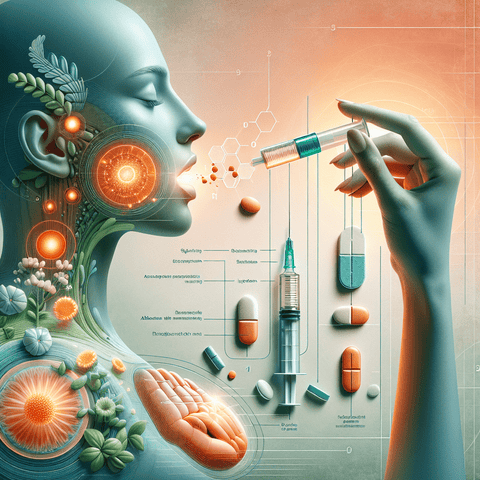
If you have a confirmed deficiency, the fastest way to raise B12 levels depends on the cause and severity. For significant deficiency or absorption issues, a healthcare professional may recommend high-dose oral supplements, sublingual (under-the-tongue) forms, or intramuscular injections to bypass the digestive system and raise levels more quickly. For dietary insufficiencies, increasing intake through B12-rich foods or high-quality supplements can help restore levels. Always work with a healthcare provider to determine the most appropriate approach and dosage for your individual needs.
Boosting Mental Clarity with Vitamin B12
Adequate vitamin B12 is fundamental for cognitive processes like focus, memory, and information processing. It supports the health of nerve cells and the myelin sheath, which insulates nerves and allows for efficient communication in the brain. When B12 levels are optimized, many people report an improvement in mental sharpness and a reduction in brain fog. This cognitive support is one of the key reasons why maintaining sufficient B12 is considered important for long-term brain health.
When to See a Doctor
If you are experiencing persistent symptoms like severe fatigue, noticeable cognitive decline, or neurological sensations such as numbness, it is important to consult a healthcare provider. They can perform a simple blood test to check your B12 levels and rule out other potential causes. This is especially crucial if you fall into a high-risk group, such as older adults, vegans or vegetarians, or individuals with digestive conditions.
Questions and Answers
How do you feel when B12 is low?
When B12 is low, it's common to feel unusually tired and mentally sluggish. You might experience difficulty concentrating, memory lapses, and a general sense of fogginess that makes daily tasks more challenging.
What is the fastest way to fix B12 deficiency?
The fastest method to correct a confirmed deficiency often involves high-dose supplementation, which can be in the form of oral tablets, sublingual drops, or injections as recommended by a doctor, especially if absorption is an issue.
What are the four stages of B12 deficiency?
Deficiency typically progresses through four stages: declining blood levels, low cellular levels, biochemical changes evident in blood markers, and finally, the appearance of clinical symptoms like anemia or neurological issues.
What are the two main causes of B12 deficiency?
The two primary causes are insufficient dietary intake (common in strict vegan or vegetarian diets) and impaired absorption due to age, digestive disorders, or certain medications.
Who is most at risk of B12 deficiency?
Individuals following vegan or vegetarian diets, older adults, people with gastrointestinal conditions (like Crohn's disease), and those on certain medications (like acid reflux drugs) have a higher risk.