
News

How to Verify Supplement Safety and LegitimacyChoosing a safe, reputable supplement brand starts with checking the company behind the product. Look for transparent contact information, Good Manufacturing Practice (GMP) certification, and a physical address. Use the FDA's Dietary Supplement Label Database to verify product details. Legitimate brands prioritize quality and safety in their manufacturing processes.Quality Testing and Certificates of AnalysisReputable supplement brands invest in rigorous testing for purity, potency, and bioavailability. Certificates of Analysis (CoAs) document these test results and are often available upon request or published online. Third-party certification, like NSF or USP, can provide additional assurance of quality standards. Always check that the product label matches the actual ingredients tested.Spotting Red Flags and Making Confident ChoicesAvoid supplements with vague sourcing claims, no lot information, missing supplier transparency, or exaggerated health promises. Trustworthy manufacturers disclose ingredients, testing methods, and sustainability practices. Use this guide as a checklist to evaluate any supplement brand and make safer, more informed decisions for your health.
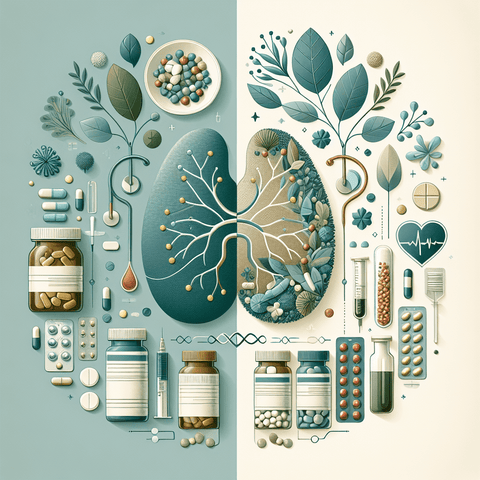
Understanding Drug Supplement InteractionsDrug supplement interactions occur when vitamins, minerals, or herbs alter how prescription medications work in your body. Some combinations can reduce a drug's effectiveness, while others may increase the risk of side effects. High-risk categories include blood thinners, statins, diabetes medications, thyroid treatments, and antibiotics. For example, vitamin K can counteract warfarin, while calcium, iron, and magnesium can block absorption of thyroid medication or certain antibiotics.Common High-Risk CombinationsBlood thinners like warfarin can interact dangerously with vitamin K, fish oil, garlic, ginkgo, and high-dose vitamin E, increasing bleeding risk. Statins may be less effective when taken with St. John's wort, and red yeast rice can amplify side effects. Diabetes and weight-loss medications may be affected by supplements that influence blood sugar, such as chromium, cinnamon, and alpha-lipoic acid. Thyroid medication absorption can be reduced by calcium, iron, or high-fiber supplements, so timing doses apart is essential.How to Stay SafeTo minimize risks, always inform your doctor and pharmacist about every supplement you take. Keep a complete list of all medications and supplements with dosages. Use reputable interaction checkers for initial guidance, but rely on professional advice. Space doses of supplements and medications when advised, and choose quality products from transparent brands. Never stop or adjust prescribed medications without consulting your healthcare provider.
Recognizing Mineral Overdose Symptoms and Toxicity RisksMixing supplements can help you reach multiple health goals, but taking too much of certain minerals can lead to toxicity. Each mineral has its own set of overdose symptoms. Iron overload may cause fatigue, joint pain, and abdominal discomfort. Excessive magnesium can lead to diarrhea, low blood pressure, and muscle weakness. Zinc toxicity often triggers nausea and can deplete copper over time. Selenium overdose is linked to garlic breath and hair loss, while too much calcium may result in kidney stones and confusion. Being aware of these signs helps you act quickly and adjust your regimen safely.Key Supplement Interactions to Avoid for Safe StackingNot all vitamins and minerals work well together. Calcium can block iron absorption, and magnesium and zinc compete for the same pathways. High zinc intake can also reduce copper levels. Vitamin D3, a fat-soluble vitamin, can build up and cause hypercalcemia, leading to nausea and confusion. Understanding these interactions allows you to time your doses properly and get the most benefit from each supplement. For example, taking iron with vitamin C improves absorption, but calcium and iron should be spaced hours apart.Practical Steps for Preventing Mineral OverloadTo avoid mineral toxicity, introduce one supplement at a time and monitor your body’s response. Space out competing minerals like calcium, iron, zinc, and magnesium by several hours. Choose bioavailable forms such as magnesium citrate or zinc bisglycinate to enhance absorption. Keep a simple log of all supplements and fortified foods you consume to avoid exceeding tolerable upper intake levels. If you suspect an overdose, stop the supplement, stay hydrated, and seek professional medical advice—never self-treat. Always consult a healthcare provider before adding high-dose supplements to your routine.
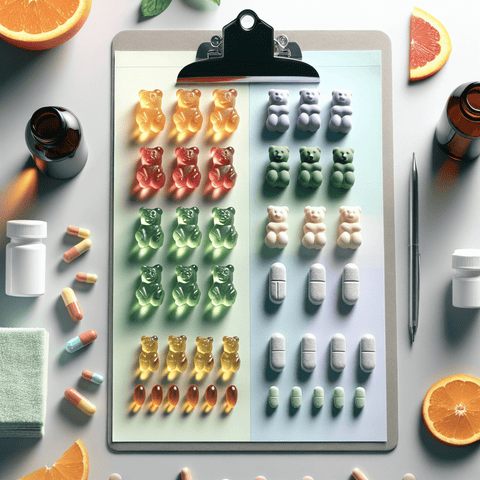
Chewable vs. Traditional Vitamins: Key DifferencesChewable supplements, including gummy vitamins and chewable tablets, offer a convenient alternative to traditional pills and capsules. Their palatable, easy-to-take format can improve consistency, especially for those who have difficulty swallowing. However, not all chewables are created equal. Gummies are a type of chewable, distinct from other forms due to their candy-like texture and taste, which often involves trade-offs in nutrient potency. This guide compares gummy vitamins, chewable tablets, and traditional supplements to help you make an informed choice based on your nutritional needs and lifestyle.Absorption and Efficacy: What the Science SaysBioavailability—how well a nutrient is absorbed—is crucial. Chewable forms can be effective for water-soluble vitamins like Vitamin C and B vitamins, as chewing initiates the digestive process. However, fat-soluble vitamins (A, D, E, K) and certain minerals may be less stable in gummy formulations due to exposure during manufacturing and storage. Traditional pills often use protective coatings that help ensure these sensitive nutrients reach your system effectively. Always check labels for nutrient forms and % Daily Value to ensure you're getting what you need.Choosing the Right Chewable for Your NeedsYour life stage or health situation can influence which supplement form is most appropriate. For example, perimenopause often requires higher calcium and magnesium, which many gummies lack. Similarly, post-chemotherapy or while on medications like Zepbound®, nutritional needs may change, and potency and purity are paramount. Always consult with a healthcare provider before starting any new supplement, especially if you have underlying health conditions or are taking medication. A hybrid approach—using a chewable for baseline vitamins and a traditional pill for minerals—can be effective.

How to Improve Nutrient Absorption from Food and SupplementsNutrient absorption is the process by which your body takes in vitamins, minerals, and other compounds from the foods and supplements you consume. Most absorption occurs in the small intestine, which is responsible for absorbing about 90% of nutrients. To enhance absorption, you can focus on eating balanced meals that include healthy fats for fat-soluble vitamins, maintaining a healthy digestive system, and being consistent with supplement use. Pairing nutrients wisely, such as consuming vitamin C with iron, can also help your body use the nutrients more effectively.What Blocks Nutrient Absorption and How to Overcome ItSeveral factors can reduce nutrient absorption, including certain antinutrients in some plant foods, digestive conditions like IBS or reduced stomach acid, and some medications. To support better absorption, you, along with a healthcare professional, can investigate underlying gut issues, manage medications, and use strategies like proper food preparation to reduce antinutrient effects. For some people, liposomal supplements may offer a solution because the liposomal delivery system protects nutrients from stomach acid and digestive enzymes, potentially increasing the amount of nutrient that reaches the bloodstream.Liposomal Supplements and Strategies to Increase BioavailabilityLiposomal supplements are designed to help improve nutrient absorption by encapsulating nutrients in phospholipid bilayers, similar to human cell membranes. This technology may lead to higher bioavailability for certain vitamins, such as vitamin C and vitamin D, compared with conventional tablets or capsules. In addition to liposomal forms, you can support nutrient absorption through lifestyle habits like eating a nutrient-dense diet, supporting your gut microbiome, and seeking advice from a healthcare provider if you have a diagnosed health condition or take medications. Understanding different absorption mechanisms and the role of the small intestine can help you use these strategies more effectively.

Recognizing Supplement OverloadTaking too many supplements can lead to a range of uncomfortable symptoms, including digestive upset, headaches, fatigue, and sleep disturbances. Your body may struggle to process an excess of vitamins and minerals, especially when products contain overlapping ingredients. If you are experiencing persistent symptoms like nausea or jitters, it may be a sign that your supplement routine has become excessive. Understanding these warning signals is the first step toward creating a safer, more balanced approach to supplementation.How to Simplify Your Supplement RoutineStart with a complete pill audit: gather every supplement, review labels for duplicate ingredients, and compare total daily doses with Tolerable Upper Intake Levels. Identify which supplements serve a clear purpose based on a diagnosed deficiency or a well-established dietary gap, and eliminate those without a current reason. Prioritize essentials like a multivitamin, Omega-3, and Vitamin D when appropriate, and consolidate single-nutrient products to reduce the total number of pills. A simplified schedule with morning and evening doses can improve consistency and reduce digestive strain.Safety Considerations and When to Seek GuidanceBe especially cautious with fat-soluble vitamins A, D, E, and K, as well as minerals like iron and zinc, which can accumulate to toxic levels. Always consult a healthcare professional before starting or changing a supplement routine, particularly if you are pregnant, nursing, taking medications, or managing a medical condition. If you suspect an overdose, seek emergency medical help immediately. This guide provides educational information, not medical advice, and should not replace professional guidance.