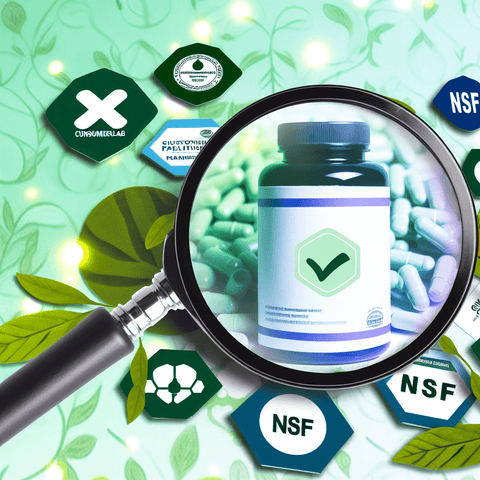
Mental clarity and focus depend on many everyday factors — sleep, stress, physical activity, and nutrition. When your diet falls short, a carefully selected supplement may offer additional support. But with so many options on the market, how do you choose the right one for your needs? This guide walks you through the key ingredients, product-quality criteria, and safety considerations to help you make a confident, informed decision.
What Are the Foundations of Mental Clarity and Focus?
Before adding any supplement, it’s helpful to address the basics. Mental clarity and focus are influenced by consistent habits that support brain function:
- Sleep: Aim for 7–9 hours of quality sleep per night. Sleep supports memory consolidation and helps the brain clear metabolic waste.
- Exercise: Regular physical activity increases blood flow to the brain and can support cognitive performance.
- Stress management: Chronic stress can interfere with attention and memory. Techniques like meditation, deep breathing, or spending time in nature may help.
- Nutrition: A varied diet rich in fruits, vegetables, whole grains, healthy fats, and lean proteins provides the building blocks your brain needs.
If these foundations are in place and you still feel that your focus could be better, a supplement might be a useful addition — but it should never replace a balanced lifestyle.
What Are the Most Important Brain Foods?
Your brain relies on a steady supply of nutrients from food. While no single food is a magic bullet, certain foods are particularly beneficial:
- Fatty fish (e.g., salmon, sardines, mackerel) provide omega-3 fatty acids (DHA and EPA), which are important for brain cell structure and function.
- Leafy greens (spinach, kale, collards) are rich in antioxidants and vitamins like folate and vitamin K.
- Berries contain antioxidants that help protect brain cells from oxidative stress.
- Nuts and seeds (walnuts, flaxseeds, chia seeds) offer healthy fats, vitamin E, and minerals.
- Whole grains provide a steady release of glucose, the brain’s primary fuel.
When diet alone doesn’t cover these nutrients, supplements can help fill the gap — but they work best alongside a nutrient-dense eating pattern.
What Are the Signs That You Might Need Extra Cognitive Support?
Occasional brain fog is normal, but persistent changes in your cognitive abilities may warrant attention. Signs to be mindful of include:
- Frequent memory lapses that disrupt daily tasks.
- Difficulty concentrating or focusing on things that used to be easy.
- Struggling to find the right words or follow conversations.
- Mood changes or increased irritability.
- A noticeable decline in problem-solving or planning skills.
If these symptoms are severe, persistent, or worsening, it’s important to speak with a healthcare professional — they can help identify underlying causes and rule out medical conditions. Supplements are not a substitute for professional evaluation.
How Can You Improve Brain Health Every Day?
Daily habits are the most powerful way to support long-term cognitive wellness. The following strategies are associated with better brain health:
- Stay physically active: Exercise improves blood flow and may stimulate the release of growth factors that support brain cells.
- Keep learning: Engage in new activities, puzzles, reading, or creative hobbies to challenge your brain.
- Stay socially connected: Social interaction is linked to cognitive vitality in older adults.
- Manage stress: Chronic stress can affect memory and emotional regulation.
- Get quality sleep: Sleep is essential for memory consolidation and cognitive recovery.
While supplements can play a supporting role, they do not replace these lifestyle pillars.
Which Supplements Support Mental Clarity and Focus?
Several ingredients are commonly studied for their potential role in cognitive function. Here’s what to look for in a supplement:
Omega-3 Fatty Acids (DHA and EPA)
Omega-3s, especially DHA, are structural components of brain cell membranes. They’re found in fatty fish and algae-based supplements. If you don’t eat fish regularly, an omega-3 supplement may help.
Bacopa Monnieri
Bacopa monnieri is an herb traditionally used in Ayurvedic medicine to support memory and learning. Some research suggests it may help improve certain aspects of cognitive function, though results vary. Look for standardized extracts if you choose a supplement.
Ginkgo Biloba
Ginkgo biloba is another herbal extract that has been studied for cognitive support, particularly in older adults. It’s thought to improve blood circulation. Quality and dosage matter, so choose reputable brands.
Vitamin D
Vitamin D receptors are found throughout the brain, and low levels have been linked to cognitive decline. Many people are deficient, especially in winter. A blood test can tell you if you need extra vitamin D.
Magnesium
Magnesium is involved in nerve function and energy production. Some forms, like magnesium glycinate or magnesium L-threonate, may be better absorbed or have specific benefits for relaxation. However, more research is needed.
B Vitamins
B vitamins (B6, B12, folate) are involved in energy metabolism and the production of neurotransmitters. Deficiencies can impair cognitive function. A balanced diet usually provides enough, but supplementation may be useful for certain populations.
How to Choose a Quality Supplement
Not all supplements are created equal. Here’s what to consider when evaluating a product:
- Third-party testing: Look for certification from independent labs (e.g., NSF, USP) that verify purity and potency.
- Bioavailability: Check the form of the ingredient. For example, magnesium glycinate is often better absorbed than magnesium oxide.
- Reputable brand: Choose companies that follow Good Manufacturing Practices (GMP) and have transparent labeling.
- Check the label: Look for active ingredients, amounts per serving, and avoid unnecessary fillers or allergens.
- Read reviews: Customer feedback can provide insight into real-world experiences, but treat it as anecdotal, not scientific evidence.
- Consult your doctor: Always speak with a healthcare provider before starting a new supplement, especially if you take medication or have a medical condition.
Supplement Safety: What You Need to Know
Supplements can interact with medications and may not be safe for everyone. Consider these safety points:
- Medication interactions: Ginkgo biloba can increase bleeding risk when taken with blood thinners. St. John’s wort, sometimes used for mood, can interfere with many medications. Always check with a pharmacist.
- Pregnancy and breastfeeding: Many herbs and high-dose vitamins are not recommended during pregnancy. Consult your healthcare provider.
- Medical conditions: If you have kidney or liver disease, thyroid disorders, or are scheduled for surgery, talk to your doctor before starting any supplement.
- Dosage: More is not necessarily better. Stick to the recommended amount on the label unless a healthcare professional advises otherwise.
Food First vs. Supplement: Which Is Better?
Food is the first choice for nutrients because it provides a complex mix of vitamins, minerals, fiber, and phytochemicals that work together. However, supplementation may be useful when:
- Dietary intake is insufficient (e.g., vegan diet and omega-3s).
- Needs are increased (e.g., during pregnancy or certain medical conditions).
- A healthcare professional recommends a specific supplement based on a deficiency test.
Supplements are not intended to replace a healthy diet. Think of them as a targeted addition, not a substitute.
How to Use a Focus Supplement Effectively
If you decide to try a supplement, here are practical tips:
- Start low and go slow: Begin with the lowest effective dose to see how your body responds.
- Take it consistently: Many ingredients, like Bacopa monnieri, may take several weeks to show any effect.
- Pair it with good habits: Supplements work best when combined with adequate sleep, exercise, and stress management.
- Track your experience: Keep a simple journal of your focus, energy, and any side effects. This helps you evaluate whether the product is right for you.
Frequently Asked Questions
Q: How can I improve my brain health?
A: Focus on foundational habits: aim for 7–9 hours of sleep, exercise regularly, manage stress, eat a diet rich in fruits, vegetables, and omega-3s, and stay socially and mentally active.
Q: What is the most powerful brain food?
A: Fatty fish like salmon, rich in omega-3s, are often highlighted for brain health. However, a varied diet full of leafy greens, berries, nuts, and seeds provides a wide range of essential nutrients that collectively support cognitive function.
Q: How can I sharpen my brain?
A: Keep learning new skills, challenge your memory with puzzles or languages, stay physically active, and get enough sleep. These habits support neuroplasticity and mental acuity.
Q: How can I improve memory for seniors?
A: For seniors, maintaining social connections, engaging in cognitive activities, staying physically active, and eating a Mediterranean-style diet may help support memory. Consulting a doctor about nutrient needs, such as vitamin B12 and vitamin D, is also wise.
Key Takeaways
Choosing the right supplement for mental clarity and focus starts with a solid lifestyle foundation. Look for well-researched ingredients like omega-3s, Bacopa monnieri, Ginkgo biloba, vitamin D, magnesium, and B vitamins — but always prioritize quality and safety. Remember that supplements support, not replace, a balanced diet and healthy daily habits. If you experience persistent cognitive changes, talk to a healthcare professional for personalized guidance.