Introduction: Protecting Yourself from Fake Supplements
The growing demand for nutritional supplements has unfortunately led to a rise in counterfeit products. These fake vitamins can be ineffective or, worse, pose health risks. Knowing how to distinguish genuine, high-quality supplements from counterfeits is essential for your safety. This guide provides clear, actionable steps to help you verify supplement authenticity, spot red flags, and make confident purchasing decisions.
How to Spot Counterfeit Vitamins: A Step-by-Step Checklist
Follow this checklist to quickly assess a supplement's legitimacy before you buy.
1. Examine the Packaging and Label
Look for professional printing, correct spelling, and a secure seal. Counterfeit products often have blurry logos, typos, or flimsy packaging. The label should list a domestic address for the manufacturer or distributor.
2. Scrutinize the Ingredient List and Claims
Avoid products with vague terms like "proprietary blend" that hide ingredient amounts. Legitimate labels clearly state the exact quantity of each active ingredient. Be wary of outrageous health claims like "miracle cure"—these are major red flags.
3. Verify Third-Party Testing and Certifications
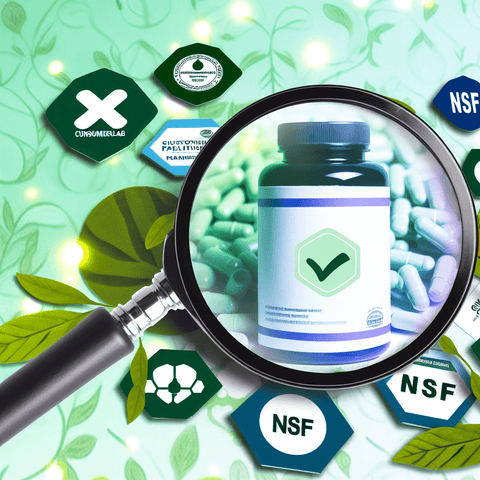
Look for seals from independent organizations like NSF International, USP (United States Pharmacopeia), or ConsumerLab. These certifications verify that the product contains the ingredients listed, in the correct amounts, and is free from harmful contaminants. This is one of the strongest indicators of a legitimate product.
4. Check the Brand's Legitimacy and Reputation
Research the brand online. A legitimate company will have a professional website with clear contact information and details about their manufacturing processes. Check for customer reviews and see if the brand has been involved in any FDA recalls or controversies.
5. Purchase from Reputable Sources
Buy directly from the manufacturer's website or authorized retailers. Be cautious on large online marketplaces, as they can be hotspots for counterfeit goods. Reputable sources, like Topvitamine, ensure you receive authentic products from trusted brands.
How Do I Know If My Vitamins Are Counterfeit?
Beyond the checklist, trust your senses. If the product's color, smell, or texture seems off compared to previous purchases, it could be counterfeit. For example, a fake vitamin E capsule might have a different consistency or an unusual odor. If you suspect a product is fake, contact the manufacturer directly using the information on the label; a legitimate company will have a customer service department to assist you.
How to Identify a Fake Vitamin E Capsule
Specific supplements can be targeted by counterfeiters. For vitamin E, genuine capsules typically contain a clear to golden oil. A fake capsule might contain a cloudy, discolored, or thick substance. Always check the source of the vitamin E (e.g., d-alpha-tocopherol is natural, while dl-alpha-tocopherol is synthetic) on the label, as legitimate brands are transparent about their sourcing.
Are My Vitamins Synthetic or Natural?
Understanding this distinction can be another layer of verification. "Natural" vitamins are derived from food sources, while "synthetic" are manufactured in a lab. Neither is inherently bad, but a legitimate brand will be clear about its ingredients. For example, natural vitamin E is listed as "d-alpha-tocopherol," while synthetic is "dl-alpha-tocopherol." Look for this clarity on the label.
What You Can and Can’t Verify Without Lab Testing
While you can check packaging, labels, and brand reputation, some things require professional analysis. You cannot verify the exact potency or purity of ingredients at home. This is why third-party certifications are so valuable—they provide the lab testing assurance that consumers cannot get themselves. If you have serious doubts about a product's safety, it's best to discontinue use and consult a healthcare professional.
Conclusion: Your Health Deserves Authenticity
By learning how to spot the signs of counterfeit vitamins, you take an active role in safeguarding your health. Prioritize products with transparent labeling, third-party certifications, and reputable brands. Remember, investing a little extra time to verify authenticity ensures you receive the full benefits of high-quality supplements.
Frequently Asked Questions
Q: How do I know if my vitamins are counterfeit?
A: Check for red flags like misspellings on the label, missing manufacturer contact information, and the absence of third-party certification seals. If the product looks or feels different from what you expect, it may be counterfeit.
Q: How to know if a vitamin brand is legit?
A: Research the brand online. A legitimate company will have a professional website, clear contact details, and often, third-party certifications. Look for customer reviews and check if the brand is transparent about its manufacturing and sourcing.
Q: How can I tell if my vitamins are synthetic?
A: Check the ingredient list on the label. Synthetic ingredients often have specific chemical names (e.g., "dl-alpha-tocopherol" for synthetic vitamin E). Reputable brands will clearly state whether ingredients are derived from natural sources or are synthetic.
Q: How can I verify the authenticity of supplements?
A: Use the step-by-step checklist above, focusing on packaging, seals, labels, third-party certifications, brand reputation, and purchasing from authorized retailers. Contact the manufacturer if you have doubts.