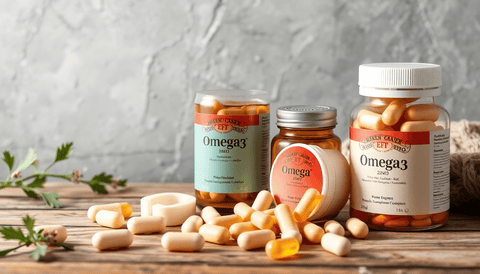
EPA and DHA Omega-3: Benefits, Food Sources, Dosage, and Safety
Omega-3 fatty acids are essential fats that play a critical role in your body. The two most important types are EPA (eicosapentaenoic acid) and DHA (docosahexaenoic acid), which are primarily found in marine sources like fish and algae. While they work together, they have distinct roles: EPA is often associated with supporting heart health and a balanced inflammatory response, while DHA is a key structural component of the brain and eyes. This guide explains the benefits of EPA and DHA, where to find them, how much you need, and important safety considerations to help you make informed choices for your wellness.
What Are EPA and DHA? Understanding the Key Differences
EPA and DHA are long-chain omega-3 fatty acids, also known as marine omega-3s. Your body cannot produce them in significant amounts, so they must be obtained from your diet or supplements. ALA (alpha-linolenic acid) is a plant-based omega-3 found in flaxseeds, chia seeds, and walnuts. While healthy, ALA must be converted into EPA and DHA in your body, but this process is very inefficient—only a small percentage converts. For this reason, eating fatty fish or taking supplements that provide EPA and DHA directly is often considered the most effective way to raise your omega-3 levels.
EPA vs. DHA: How Do They Differ?
EPA and DHA are often grouped together, but they have unique physiological roles:
- EPA (Eicosapentaenoic Acid): EPA is well-known for its role in supporting cardiovascular health. It helps maintain healthy triglyceride levels and supports a balanced inflammatory response, which is important for joint and overall wellness.
- DHA (Docosahexaenoic Acid): DHA is the most abundant omega-3 in your brain and the retina of your eyes. It is crucial for brain development and cognitive function, including memory and focus. DHA also supports eye health and visual development.
In short, EPA is more commonly linked to heart and joint health, while DHA is essential for the brain and eyes. A balanced intake of both is generally recommended for overall health.
Health Benefits of EPA and DHA Across Life Stages
Omega-3s contribute to several fundamental bodily functions. It is important to note that while there is considerable research, many findings show associations and support functions rather than proving prevention or treatment of diseases.
- Heart Health Support: EPA and DHA may help maintain healthy blood pressure and triglyceride levels. Organizations like the American Heart Association note the potential benefits of omega-3s for heart health. Some evidence also suggests they may help maintain healthy cholesterol levels.
- Brain and Cognitive Function: DHA is a major structural component of the brain. Adequate intake is linked to cognitive maintenance, memory support, and mood regulation. It is particularly important during fetal development and infancy.
- Eye Health: DHA is a major structural fat in the retina. It supports visual development and may help maintain eye health throughout life.
- Inflammation Balance: Both EPA and DHA may help modulate the body's inflammatory response. By promoting a balanced response, they may help manage normal joint discomfort and support overall recovery.
- Prenatal and Infant Development: DHA is critical for the development of the brain and eyes in fetuses and breastfed infants. This is why DHA is often recommended during pregnancy and breastfeeding.
Best Food Sources of EPA and DHA
You can get EPA and DHA directly from your diet. Here are the primary sources:
- Fatty Fish: Salmon, mackerel, sardines, herring, anchovies, and trout are among the richest sources. Eating fish two to three times a week is a common recommendation to meet your omega-3 needs.
- Algae Oil: This is a direct plant-based source of DHA (and some EPA) derived from marine algae. It is a popular and sustainable alternative for vegetarians, vegans, or those who prefer to avoid fish.
- Fortified Foods: Some eggs, yogurts, milks, and juices are fortified with EPA and DHA. While they can help, they typically contain lower amounts than fish or supplements.
Plant-Based ALA Sources: Flaxseeds, chia seeds, walnuts, and hemp seeds provide ALA. However, remember the conversion to EPA and DHA is limited, so they are not a direct substitute for marine sources.
When choosing fish, consider sustainability. Look for certifications like MSC (Marine Stewardship Council) to support environmentally responsible fishing practices.
Daily Dosage Recommendations for EPA and DHA
There is no single universal recommended dose for EPA and DHA, as it depends on age, health status, and diet. However, general guidelines can help. The amounts below are for combined EPA and DHA and are general guidance, not a prescription.
| Purpose | Daily Recommended Intake (Combined EPA + DHA) |
|---|---|
| General Health (Adults) | 250–500 mg |
| Heart Health Support (Adults) | 500–1000 mg |
| Pregnancy & Breastfeeding (DHA) | 200–300 mg DHA |
| Supporting Cognitive Health (Older Adults) | 500–1000 mg |
If you are considering higher doses for a specific health concern, it is essential to work with a healthcare professional. They can help you determine the right amount and monitor for any potential side effects.
How to Choose Quality Omega-3 Supplements
If you are considering a supplement, the quality and content matter more than the marketing. Here is what to look for:
- Amount of EPA and DHA: Check the supplement facts panel for the specific milligrams of EPA and DHA per serving, not just the total fish oil amount. You want a formula with a high concentration of these active ingredients.
- Form of Omega-3: Omega-3s come in different forms. Triglyceride and ethyl ester forms are common. Some research suggests that the triglyceride form may be more bioavailable (better absorbed), but in practice, both can effectively raise omega-3 levels.
- Purity and Freshness: Look for products tested for heavy metals, PCBs, and toxins. Freshness is also key; oxidized (rancid) fish oil can have a fishy aftertaste and reduced benefits. Look for certifications from international third-party testing organizations.
- Sustainability: Choose products with clear sustainability certifications for fish or algae sourcing to support ocean health.
- Allergen Information: Check for the absence of common allergens like soy, gluten, and shellfish if you have sensitivities. Some products are also free from artificial colors and flavors.
- Dietary Preferences: For vegetarians and vegans, algae oil is a purely plant-based and sustainable source of DHA and EPA.
Safety, Side Effects, and Who Should Be Cautious
Omega-3 supplements are generally safe for most people when taken in recommended doses. However, there are some important considerations.
Potential Side Effects
Common mild side effects can include fishy aftertaste, bad breath, heartburn, nausea, or stomach discomfort. These are often reduced by taking the supplement with food or choosing enteric-coated capsules.
Interactions and Who Should Avoid Them
- Blood Thinners: High doses of omega-3s can have a blood-thinning effect. If you are taking anticoagulant or antiplatelet medications like warfarin or clopidogrel, speak with your healthcare provider before taking high doses of omega-3 supplements.
- Surgery: Because of their potential effect on bleeding, you may be advised to stop taking high doses of omega-3 supplements a week or more before a scheduled surgery. Always follow your doctor's advice.
- Blood Pressure Medication: Omega-3s can help lower blood pressure. If you are already taking medication for high blood pressure, taking omega-3s could have an additive effect, so monitoring is required.
- SSRI/ Antidepressants: While some studies have looked into potential supportive roles of omega-3s with SSRI medications, the interactions are not fully established. Always consult your doctor before combining supplements with prescription antidepressants to avoid adverse effects.
Do not take high doses of EPA and DHA without medical supervision. More is not necessarily better, and excessive intake can lead to health complications.
Frequently Asked Questions
How much EPA and DHA do you need a day?
For general health, a common recommendation is 250–500 mg of combined EPA and DHA per day for adults. Specific needs may be higher for certain health goals, pregnancy, or older adults. A healthcare provider can give more personalized advice.
Who should not take EPA and DHA?
People with a fish or shellfish allergy should be cautious with fish-derived supplements. Those taking blood thinners or blood pressure medication should consult a doctor due to potential interactions. You should also stop taking high doses a week or more before surgery. Always discuss supplements with your healthcare provider, especially if you have a medical condition or are pregnant.
Is omega-3 good for veins?
Omega-3s are primarily known for supporting cardiovascular health, including heart and blood vessel function. Some evidence suggests they may help improve blood flow and reduce inflammation in the vascular system, which could be beneficial overall. However, they are not a treatment for vein conditions, and for specific concerns, you should see a doctor.
Conclusion
EPA and DHA are valuable omega-3 fatty acids with distinct and important roles in your body. You can support your health by consuming fatty fish or algae oil, or by choosing a quality supplement with clear amounts of EPA and DHA. Always prioritize a balanced diet, consider a supplement when dietary intake is insufficient, and consult a healthcare professional before starting a new supplement, particularly at higher doses or with a health condition.