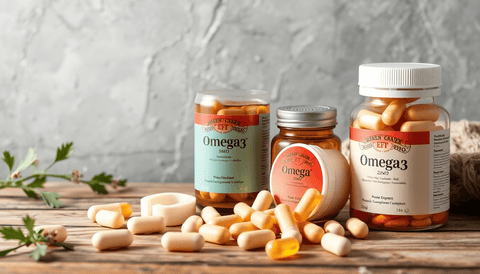
Natural omega-3 sources are the foods that supply the essential long-chain and short-chain omega-3 fatty acids your body cannot produce in adequate amounts on its own. These include fatty fish, seafood, marine algae, seeds, nuts, and certain plant oils. Getting enough omega-3 from your diet matters because these fats play established roles in normal heart, brain, and cell membrane function. In this guide, you will learn which plant and marine foods offer the most omega-3, how the different omega-3 types compare, and when a supplement may or may not be worth considering.
What Are Natural Omega-3 Sources and Why Do They Matter?
Omega-3 fatty acids are a family of polyunsaturated fats that are considered essential, meaning the body relies on dietary intake to maintain adequate levels. They are incorporated into cell membranes throughout the body and are involved in normal inflammatory responses, blood lipid regulation, and cell signaling. Unlike saturated fats, most diets in Western countries contain relatively little omega-3, which is why food choices around these sources receive so much attention in nutrition research.
The Three Main Types of Omega-3 Fatty Acids
The omega-3 family includes three fatty acids that matter most for human nutrition. EPA (eicosapentaenoic acid) and DHA (docosahexaenoic acid) are long-chain omega-3s found almost exclusively in marine sources. DHA is a major structural component of the retina and brain, while EPA is involved in producing signaling compounds that help regulate inflammation. ALA (alpha-linolenic acid) is the short-chain omega-3 found in plant foods such as flaxseeds, chia seeds, and walnuts. ALA is itself essential, but the body must convert it into EPA and DHA to perform many of the same functions — a conversion that is often inefficient.
Why Food Sources Are Usually Preferred Over Supplements
Whole foods deliver omega-3s alongside other nutrients that work together. Fatty fish, for example, also provides high-quality protein, vitamin D, iodine, and selenium. Seeds and nuts contribute fiber, vitamin E, and beneficial plant compounds. Health organizations in most countries recommend meeting nutritional needs through diet first, reserving supplements for situations where intake is genuinely inadequate. This is why this guide emphasizes food before capsules and oils.
The Best Natural Omega-3 Sources in the Marine Category
Fatty Fish: The Most Potent Natural Source
Oily fish are by far the richest natural sources of preformed EPA and DHA. Salmon, mackerel, sardines, herring, and anchovies all provide substantial amounts per serving, with salmon and mackerel among the highest. Because the EPA and DHA in fish are already in their active long-chain form, the body does not depend on conversion. Fatty fish also tend to be affordable in canned or frozen form — sardines and mackerel are often more economical than fresh salmon while offering comparable omega-3 content.
Seafood and Shellfish: Underrated Omega-3 Contributors
Shellfish such as oysters, mussels, and shrimp contain EPA and DHA in smaller but still meaningful amounts. Oysters and mussels are particularly noteworthy because they also supply zinc, vitamin B12, and iodine. While a portion of shellfish will not match a portion of salmon for omega-3, regularly including varied seafood makes a useful cumulative contribution to intake.
Marine Algae: The Plant-Based Marine Option
Marine microalgae are the only plant-based source of preformed EPA and DHA, since fish accumulate these fats from the algae they consume. Certain oily fish substitutes and algae-derived oils provide DHA directly, making them relevant for vegans and vegetarians. Whole seaweeds generally contain only small amounts of omega-3, but they remain a useful dietary inclusion for iodine and other trace minerals — though excessive seaweed consumption can lead to too much iodine.
The Best Natural Omega-3 Sources in the Plant Category
Flaxseeds and Chia Seeds: The Alpha-Linolenic Acid (ALA) Powerhouses
Flaxseeds and chia seeds are among the most concentrated plant sources of ALA available. A small daily serving of ground flaxseed can contribute a significant share of ALA recommendations. One practical note: whole flaxseeds often pass through the digestive tract intact, so grinding them or buying ground flaxseed improves the availability of their fats. Both seeds also provide soluble fiber, which supports normal digestion and cholesterol levels as part of a balanced diet.
Walnuts and Other Nuts
Walnuts stand out among nuts for their ALA content and are one of the few nuts with meaningful omega-3 levels. They fit easily into a healthy eating pattern — sprinkled over breakfast, blended into spreads, or eaten as a snack. Other nuts, including almonds and hazelnuts, contain little ALA but still offer unsaturated fats, vitamin E, and fiber that support overall cardiovascular nutrition.
Plant Oils: Hemp, Flaxseed, and Canola
Flaxseed oil, hemp seed oil, and rapeseed (canola) oil are concentrated ALA sources that can be used in dressings, smoothies, and low-heat cooking. Flaxseed oil is particularly rich in ALA but is sensitive to heat, light, and oxidation, so it should be stored cold and never used for frying. Canola oil is more heat-stable and versatile, though it contains less ALA per gram than flaxseed oil.
Seaweed and Spirulina: Botanical Marine Options
Seaweed varieties like nori, wakame, and kombu, as well as spirulina, are often marketed as omega-3 foods. In reality, their EPA and DHA content is generally too small to contribute meaningfully to daily needs. Their value lies elsewhere — iodine, minerals, and bioactive compounds — so they are best viewed as nutritious additions to the diet rather than primary omega-3 sources.
Omega-3 Content Comparison: Marine vs. Plant Sources
EPA and DHA vs. ALA: Understanding Conversion Rates
The key distinction between marine and plant omega-3s is conversion. Research suggests that only a small fraction of dietary ALA — often estimated in the low single-digit percentages — is converted into EPA, with even less becoming DHA. Conversion efficiency varies between individuals and is influenced by sex, age, genetics, and the balance of other fats in the diet, particularly omega-6 intake. This is why marine sources are generally considered more reliable for raising EPA and DHA levels in the body.
Which Natural Source Delivers the Most Usable Omega-3
For usable, preformed EPA and DHA, fatty fish such as salmon, mackerel, sardines, and herring lead the list. For ALA, flaxseeds, chia seeds, walnuts, and flaxseed oil are the strongest contributors. Someone eating fatty fish once or twice weekly with regular plant sources on other days covers both fatty acid types. Those following plant-only diets rely on ALA plus, in many cases, an algae-derived DHA and EPA source to achieve comparable levels.
Why Omega-3 Fatty Acids Are Important for Heart Health
The Evidence Supporting Omega-3s for Cardiovascular Function
Omega-3 intake has been associated with maintaining healthy blood triglyceride levels, supporting normal blood pressure, and contributing to overall cardiovascular health. Large observational studies have repeatedly linked regular fatty fish consumption with favorable heart health outcomes, and EU health authorities have approved claims that EPA and DHA contribute to normal heart function at adequate intakes. It is worth noting that results from supplementation trials have been more mixed than fish-consumption studies, suggesting that whole-diet patterns and food matrices matter.
The Difference Between Nutritional Support and Medical Treatment
Eating omega-3-rich foods supports normal physiological function — that is nutritional support. It is not the same as treating cardiovascular disease, which requires medical diagnosis and care. Very high-dose prescription omega-3 products exist for specific medical purposes, but these differ from dietary foods and over-the-counter supplements and should only be used under medical supervision.
Signs You Might Not Be Getting Enough Omega-3 from Your Diet
Common Indicators of Low Omega-3 Intake
Very low omega-3 intake has been associated with dry skin, general fatigue, and difficulty concentrating in some reports, though these symptoms are nonspecific and have many possible causes. A more practical indicator is dietary pattern: if you rarely eat fish, seafood, nuts, or seeds, your intake is likely below what population guidelines suggest.
Why Symptoms Alone Cannot Confirm a Deficiency
Symptoms like dry skin or tiredness can stem from dozens of causes — stress, sleep, other nutrient shortfalls, or medical conditions. A clinically meaningful omega-3 deficiency is rare in people with varied diets. Omega-3 status can, in principle, be assessed through blood testing of fatty acid levels, but routine testing is generally unnecessary unless a healthcare provider has a specific reason. When in doubt, professional assessment beats guesswork.
Factors That Influence Your Omega-3 Status
Dietary Habits and Typical Western Eating Patterns
Western diets tend to be high in omega-6 fatty acids from vegetable oils and processed foods, and comparatively low in omega-3s. Since omega-6 and omega-3 fats share metabolic pathways, a heavily omega-6-dominant diet may further limit ALA conversion. Low fish consumption — common in many inland regions — is the single biggest dietary factor behind low EPA and DHA intake.
Age, Digestion, and Metabolic Conversion
ALA conversion efficiency varies between individuals and is generally reported to be higher in women of reproductive age, possibly due to estrogen influence, and lower in older adults. Fat digestion also matters: omega-3 absorption depends on normal bile and pancreatic function, which can be impaired by certain gastrointestinal conditions or gallbladder problems.
Lifestyle Factors Like Smoking and Alcohol Consumption
Smoking is associated with altered fatty acid metabolism and higher oxidative stress, which may affect how the body uses polyunsaturated fats. Heavy alcohol consumption can interfere with fat metabolism and liver function. While neither factor directly depletes omega-3s in a simple way, both shape overall metabolic health and the quality of the diet as a whole.
How to Build a Diet Rich in Natural Omega-3 Sources
Practical Tips for Increasing Fatty Fish Intake
Aim to include oily fish in your weekly routine in ways that feel sustainable: canned sardines on toast for lunch, salmon in a weekend dinner, or mackerel salads on weekdays. Frozen fish is nutritionally comparable to fresh and often more affordable. Varying species also helps manage exposure to environmental contaminants, since larger predatory fish like tuna generally contain more mercury than small fish like sardines.
Plant-Based Strategies for Adequate ALA Consumption
For plant-based eaters, daily habits matter more than occasional large portions. Add ground flaxseed or chia seeds to breakfast, snack on walnuts, use rapeseed or hemp oil in cold dishes, and consider an algae-based EPA/DHA supplement if you eat no fish at all. Balancing your fat intake by moderating heavily omega-6-rich processed oils may also support better ALA utilization.
How Many Servings of Omega-3 Foods Do You Really Need Each Week
Many national dietary guidelines recommend eating fish — ideally oily varieties — about one to two times per week, which corresponds to roughly 250–500 mg of combined EPA and DHA daily on average. There is no single universal number, and requirements may be higher during pregnancy and lactation, when DHA plays a role in fetal and infant development. If you eat no marine sources, meeting EPA and DHA needs through ALA alone is difficult, which is where algae oil becomes relevant.
When a Natural Omega-3 Supplement May Be Worth Considering
Situations Where Dietary Intake May Not Be Enough
Supplementation may reasonably be considered if you rarely eat fish or seafood, follow a vegan or vegetarian diet, are pregnant or breastfeeding with low fish intake, or have increased needs or absorption challenges due to a medical condition. For people who regularly eat oily fish, a supplement is often unnecessary. For more context on supplementation options, our omega-3, EPA and DHA supplement overview shows the range of available products.
Algae-Based Supplements for Plant-Only Eaters
Algae oil is grown from marine microalgae and provides preformed DHA — and often EPA — without fish. Studies indicate that algae-derived DHA is effectively absorbed and can raise blood DHA levels comparably to fish oil at similar doses. This makes it the most evidence-supported option for vegans and vegetarians who want direct EPA and DHA intake.
Fish Oil vs. Algae Oil: A Brief Comparison
Fish oil is typically less expensive and often contains a balanced mix of EPA and DHA. Algae oil tends to be more expensive but suits plant-based diets and avoids concerns some people have about fish-derived contaminants. Both can be effective; the meaningful difference is usually source, cost, and the EPA-to-DHA ratio rather than fundamental quality.
How to Choose a High-Quality Omega-3 Supplement
Understanding the Different Forms: Triglycerides, Ethyl Esters, and Free Fatty Acids
Omega-3 supplements come in different chemical forms. Natural triglyceride form is the form found in fish; ethyl ester form is common in concentrated products and may be somewhat less well absorbed unless taken with a fat-containing meal; re-esterified triglycerides and free fatty acid forms are also available. Evidence on absorption differences is real but not dramatic, and taking any form with a meal largely evens out practical differences. There is no universally superior form — tolerability, concentration, and cost often matter more.
Evaluating Concentration and Dosage per Serving
A capsule labeled "1000 mg fish oil" may contain only 300 mg of combined EPA and DHA. Higher-concentration products deliver more active omega-3 per capsule, which matters if you want to reach intake levels comparable to eating fish. Compare the EPA and DHA content per serving, not the total oil weight.
Check for Purity and Third-Party Testing
Quality marine oils can be exposed to oxidation and environmental contaminants. Look for products tested for heavy metals, PCBs, and dioxins, ideally with third-party verification or published certificates of analysis. Freshness indicators such as peroxide values or a best-before date with proper storage instructions (refrigerate after opening for liquids) also help ensure you are not consuming rancid oil.
Avoiding Unnecessary Additives, Allergens, and Artificial Ingredients
Check the ingredient list for allergens — fish oil is unsuitable for fish allergies, and gelatin capsules may not suit vegetarians. Flavored softgels and oils often contain sweeteners or flavorings that some people prefer to avoid. Simpler formulations with clear labeling of EPA and DHA content are generally easier to evaluate. Our guide to choosing natural supplements covers quality criteria that apply across supplement categories.
How to Read an Omega-3 Supplement Label
Deciphering the Ingredient List and Serving Size
Start with the serving size: some products define a serving as two or more capsules, so the numbers on the label describe the full serving, not a single capsule. Check whether the oil source is fish, krill, algae, or calamari, and note any additional ingredients such as vitamin E (often added as a preservative) or flavorings.
Distinguishing Total Oil from Active EPA and DHA Content
The most important number is the combined EPA and DHA content per serving. Krill oil, for example, contains only modest EPA and DHA per gram, meaning larger or more numerous servings are needed to match fish oil. A clear label separates total oil, omega-3 content, and specific EPA and DHA amounts — products that only state "omega-3" without breakdown make comparison difficult.
Omega-3 Safety, Dosage, and Possible Interactions
General Dosage Guidelines and Upper Limits
For general nutritional support, intakes of around 250–500 mg combined EPA and DHA daily are commonly referenced, consistent with eating oily fish regularly. European food safety authorities have concluded that supplemental intakes up to about 5 grams per day of EPA and DHA combined are generally safe for adults, though higher doses have not been shown to be more beneficial for healthy people. More is not inherently better.
People Who Should Be Cautious with Omega-3 Supplements
Individuals taking anticoagulant or antiplatelet medication, those with bleeding disorders, people scheduled for surgery, and those with fish or shellfish allergies should consult a healthcare provider before supplementing. Very high doses may also affect blood sugar management in some people with diabetes, and higher intakes during pregnancy should follow professional guidance focused on DHA.
Potential Interactions with Blood-Thinning Medications
Omega-3 fatty acids have mild effects on platelet function at high doses, so combining supplements with medications such as warfarin or other blood thinners may increase bleeding risk in susceptible individuals. This is primarily a concern at high supplemental doses rather than with dietary fish intake, but anyone on such medication should discuss omega-3 supplements with their doctor or pharmacist first.
Making the Right Choice: Food First, Supplements Second
Questions to Ask Before Buying an Omega-3 Supplement
Before purchasing, ask yourself: Does my diet actually lack omega-3, or do I eat fish regularly? Am I looking for EPA, DHA, or both? How much EPA and DHA — not total oil — does each serving provide? Is the form suitable for my diet (algae for plant-based eaters) and my allergies? Is the product third-party tested and within its freshness window? Our guide to approved nutrient claims on superfood and supplement products can help you separate substantiated claims from marketing language.
When to Consult a Doctor or Registered Dietitian
Professional advice is worthwhile if you take prescription medication, have a cardiovascular or bleeding condition, are pregnant or planning pregnancy, or experience symptoms you suspect relate to your diet. A registered dietitian can also review your overall eating pattern, which often reveals easier wins than any single supplement.
Final Takeaway on Natural Omega-3 Sources and Heart Health
Natural omega-3 sources span both the sea and the plant kingdom: fatty fish and seafood deliver preformed EPA and DHA, while flaxseeds, chia seeds, walnuts, and plant oils provide ALA. For most people, eating oily fish once or twice a week plus regular plant sources comfortably supports omega-3 needs, and this food-first approach brings the added benefit of protein, fiber, and micronutrients that capsules cannot replicate. Supplements — particularly algae oil for plant-based eaters and concentrated fish oil for those with low fish intake — have a legitimate supporting role, but they work best as additions to a good diet, not replacements for it. Individual needs vary with age, diet, pregnancy status, and health conditions, so when you are unsure about your intake or considering higher doses, a conversation with a healthcare provider or dietitian is the most reliable next step.
Frequently Asked Questions
What are the best natural omega-3 sources?
Fatty fish such as salmon, mackerel, sardines, and herring are the richest sources of preformed EPA and DHA. The strongest plant sources of ALA are flaxseeds, chia seeds, walnuts, and flaxseed oil. Algae oil is the only plant-based source of preformed DHA.
What is the difference between EPA, DHA, and ALA?
EPA and DHA are long-chain omega-3s found in marine foods that the body uses directly. ALA is a short-chain omega-3 from plant foods that must be converted into EPA and DHA in the body — a process that is often inefficient. All three are considered essential or conditionally important for health.
Which fish has the most omega-3?
Salmon, mackerel, herring, sardines, and anchovies are among the richest options. Smaller oily fish like sardines and anchovies also tend to accumulate fewer environmental contaminants than large predatory species.
Can you get enough omega-3 without eating fish?
You can meet ALA needs through seeds, nuts, and plant oils, but converting enough ALA into EPA and DHA is unreliable. Vegans and vegetarians who want direct EPA and DHA often benefit from algae oil, which is the only plant-derived source of these long-chain omega-3s.
How much omega-3 do I need per day?
Many guidelines correspond to roughly 250–500 mg of combined EPA and DHA daily for adults, typically achieved through one to two weekly servings of oily fish. Needs may differ during pregnancy, breastfeeding, or with certain health conditions, so individualized advice is best sought from a professional.
Is flaxseed or fish oil better?
They provide different things: flaxseed supplies ALA, while fish oil supplies preformed EPA and DHA. If your goal is to raise EPA and DHA levels directly, fish oil or algae oil is more reliable. Flaxseed remains valuable for fiber and ALA as part of a healthy diet.
Do walnuts have enough omega-3?
Walnuts are one of the best nut sources of ALA and make a meaningful contribution to daily ALA intake. However, like all plant sources, they provide ALA rather than preformed EPA and DHA, so they work best alongside marine sources or an algae supplement for those avoiding fish.
When is the best time to take an omega-3 supplement?
Taking omega-3 with a meal that contains fat improves absorption and reduces the risk of fishy aftertaste or reflux. Many people take it with their main meal of the day; consistency matters more than the specific time.
Can you take too much omega-3?
Very high intakes can increase bleeding risk and may cause digestive upset. European authorities have found supplemental intakes up to about 5 grams of EPA and DHA per day generally safe for adults, but higher doses offer no proven benefit for healthy people and should not be used casually.
Do omega-3 supplements interact with medications?
The most notable interaction is with blood-thinning medications such as warfarin, where high-dose omega-3 may add to bleeding risk. Anyone on anticoagulants, antiplatelet drugs, or managing a bleeding disorder should consult a doctor before supplementing.
Is algae oil as effective as fish oil?
Research indicates algae-derived DHA is well absorbed and can raise blood DHA levels comparably to fish oil. Algae oil is typically more expensive but is the preferred direct EPA/DHA source for plant-based diets and avoids fish-derived allergens.
How long does it take for omega-3 levels to improve?
Blood levels of EPA and DHA typically respond within weeks to a few months of consistent intake, depending on dose and starting status. Cell membrane fatty acid composition changes gradually, so consistency over several months matters more than short bursts of intake.
Related Keywords
- natural omega-3 sources
- omega-3 rich foods
- EPA and DHA food sources
- plant-based omega-3 sources
- omega-3 for heart health
- ALA vs EPA vs DHA
- fatty fish omega-3 content
- flaxseed and chia seeds omega-3
- algae oil omega-3 supplement
- fish oil vs algae oil
- omega-3 deficiency symptoms
- how much omega-3 per day
- vegan omega-3 sources
- omega-3 supplement dosage